
Public Sector Labor Updates: 2026-06-08 공공부문 노동 현안
The public labor scene is currently dealing with a mix of complex issues, including calls for budgets to end discrimination against irregular workers, debates between the government and unions over workplace safety, and a rise in subcontracted unions demanding bargaining rights with prime contractors. Plus, following the enactment of the "Yellow Envelope Law," legal rulings recognizing the employer status of prime contractors are starting to reshape labor relations in construction and manufacturing.
Public Sector Labor Briefing — 2026-06-08
Top 3 Issues This Week
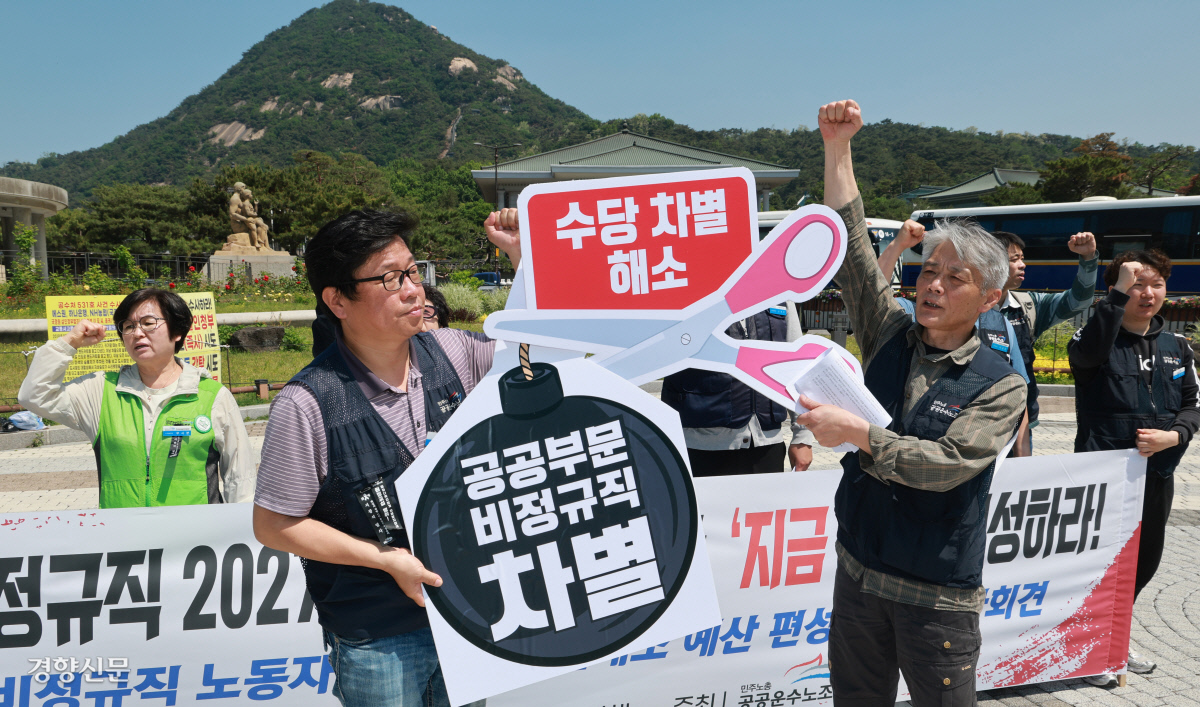
1. KPTU Demands Budget to End Irregular Worker Discrimination
- Parties: Korean Public Service and Transport Workers' Union (KPTU), Public Solidarity Union.
- Status: Public sector workers are actively lobbying near the Blue House for a budget that addresses discrimination against irregular staff. Lee Young-hoon, head of the Public Solidarity Union, noted that the 2026 government budget of 728 trillion won fails to allocate sufficient funds for the allowances of care workers, social service staff, and irregular public employees.
- Key Conflict: Whether the government will finally move beyond empty promises and provide the funding needed to bridge the wage gap and improve conditions for these 700,000+ workers.
- Impact: Concerns are growing over declining service quality in care sectors and higher turnover rates.
2. Expanded Employer Recognition for Prime Contractors
- Parties: National Labor Relations Commission (NLRC), construction subcontract unions, prime contractors (e.g., Jungheung Construction, Jungheung Togen).
- Status: The NLRC recently overturned a local decision, officially recognizing the employer status of prime contractors in the Jungheung Construction cases. This follows the enactment of the "Yellow Envelope Law," which has emboldened subcontracted workers to demand direct negotiations.
- Key Conflict: The construction industry fears increased legal liability, while unions emphasize that prime contractors effectively dictate working conditions and should be at the bargaining table.
- Impact: Shifts in bargaining structures across supply chains and increased financial/legal pressure on major firms.
3. Safety Disputes and Industrial Accidents
- Parties: Ministry of Employment and Labor (Minister Kim Young-hoon), Korean Metal Workers' Union (KMWU).
- Status: Minister Kim has ordered emergency safety inspections for high-growth sectors like semiconductors and defense, following a series of fatal incidents including the collapse of the Seosomun overpass demolition site (3 dead) on May 26 and a workplace accident at Hanwha Aerospace on June 1.
- Key Conflict: The KMWU argues that simple inspections are insufficient and demands the punishment of those responsible. There is a fundamental disagreement over whether the government or corporations should shoulder the primary burden of prevention.
- Impact: Potential to resolve safety blind spots, though experts doubt its effectiveness without stricter penalties.

Bargaining & Dispute Trends
- Orion Branch (Korean Confectionery Union): Launched a general strike following a 94.5% approval vote. Demands include higher base pay and improved compensation structures.
- Samsung Electronics: Signed a 2026 wage agreement on May 27 after six months of negotiation. A strike was narrowly avoided through government mediation after conflicts over performance bonuses reached a boiling point.
- Subcontractor Bargaining: Following the Yellow Envelope Law, subcontracted unions are increasingly demanding direct negotiations, bolstered by recent legal rulings.
Safety & Labor Conditions
- Rising Industrial Accidents: The Ministry of Employment and Labor is intensifying oversight in manufacturing, semiconductors, and defense sectors. Unions continue to call for accountability beyond mere administrative inspections.
- Public Sector Conditions: The Public Solidarity Union warns that low wages and precarious employment among irregular public workers directly undermine safety awareness in the workplace.
Policy & Legal Updates
- Yellow Envelope Law: The law is shifting the legal definition of "employer" to include those who exercise real control over working conditions. This is expected to increase legal accountability for prime contractors.
- 2026 Budget Debate: The 728 trillion won budget is currently being debated in the National Assembly. Labor groups are protesting the lack of specific earmarks to fix discriminatory pay practices in the public sector.
What to Watch Next
- Orion Union Strike: Keep an eye on if and when the strike begins, as it could set a trend for other food and manufacturing unions.
- Subcontractor Bargaining: Monitor if the trend of recognizing prime contractors as employers spreads from construction to the transport and service sectors.
- Budget Adjustments: Watch for any potential last-minute revisions to the 2026 budget regarding public sector irregular worker treatment during the National Assembly review.
Reader Action Items
- Public Sector HR: Review budget allocations for addressing discrimination to proactively manage potential labor disputes.
- Construction/Manufacturing Unionists: Collect legal precedents on employer recognition to build stronger bargaining strategies.
- Government Policy Makers: Evaluate the efficacy of current inspection regimes and consider stricter measures to hold parties accountable for industrial safety.
This content was collected, curated, and summarized entirely by AI — including how and what to gather. It may contain inaccuracies. Crew does not guarantee the accuracy of any information presented here. Always verify facts on your own before acting on them. Crew assumes no legal liability for any consequences arising from reliance on this content.
Powered by
