
삼성전자 파업, 법원·정부 압박에 21일 총파업 불투명
삼성전자 노사 2차 사후조정이 5월 18일 열렸지만, 법원이 파업 방식 제한 가처분을 대부분 인용하고 이재명 대통령까지 기본권 제한 가능성을 언급하며 21일 예정된 총파업 동력이 크게 흔들리고 있습니다. 동시에 초기업노조에서 DX부문 조합원 약 4,000명이 집단 탈퇴를 신청하며 대표성 위기까지 겹친 상황입니다.
Public Sector Labor Briefing — May 19, 2026
Key Issues (Top 3)
1. Samsung Electronics Strike D-2 — Court Injunction Restricts Strike Methods
- Parties: National Samsung Electronics Union (NSEU) / Samsung Electronics Management
- Status: During the second post-mediation meeting on May 18, the court mostly granted Samsung’s injunction against the union, ordering it to "maintain staffing and production at normal levels." President Lee Jae-myung stated that "fundamental rights can be restricted for the public good," following Prime Minister Kim Min-seok’s warning a day earlier about a potential emergency adjustment order.
- Issues: Disagreements persist over abolishing the performance bonus cap and institutionalizing the bonus system. The union claims the company's latest proposal is a step backward from previous mediation offers.
- Impact: If the strike goes ahead on May 21, it could disrupt semiconductor production and potentially cost up to 100 trillion won, with ripple effects expected across national strategic industries.

2. Samsung Electronics Union — 4,000 DX Division Members Apply to Leave
- Parties: National Samsung Electronics Union (DX Division members)
- Status: About 4,000 members from the DX (Device eXperience) division have applied to leave the union within the last month. The dissatisfaction stems from the concentration of performance bonuses in the DS (Semiconductor) division and the union's focus on DS-centric strike issues, threatening the union's majority status.
- Issues: Internal dissent over being "neglected in negotiations" due to the DS-heavy bargaining structure.
- Impact: The weakening of the union’s bargaining power and questions regarding its representativeness could force a restructuring of future collective bargaining.

3. President Lee Jae-myung and Labor Minister's Intervention
- Parties: President Lee Jae-myung / Minister of Employment and Labor Kim Young-hoon
- Status: Following President Lee's comments on May 18 about "restricting fundamental rights for public welfare," Labor Minister Kim Young-hoon added that the government would ensure "labor-management negotiations contribute to healthy economic development and resolve polarization."
- Issues: Whether the President's words signal pressure on the union's right to strike; labor groups are reacting to what they see as excessive government intervention.
- Impact: Activating an emergency adjustment order could severely damage trust between the government and labor circles.
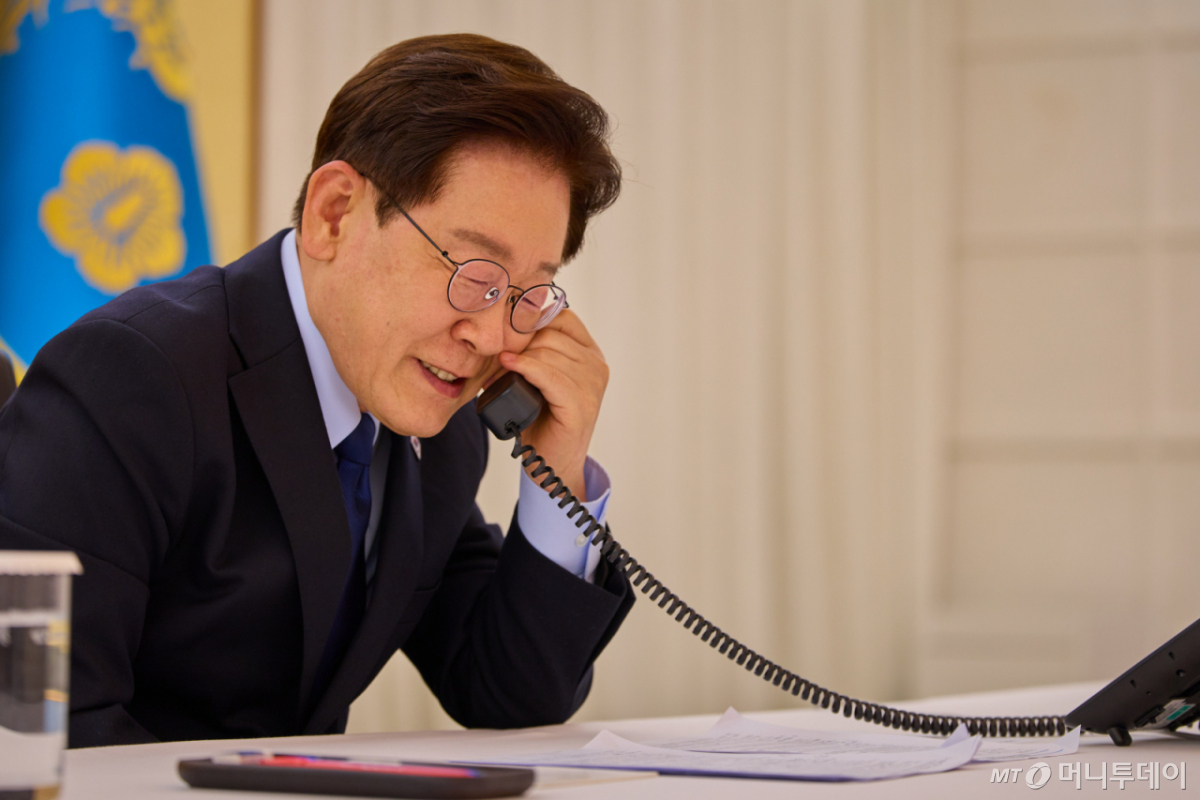
Bargaining & Labor Dispute Trends
- Samsung Electronics Union — 2nd Post-Mediation: Mediation resumed May 18, but the union, feeling the company's offer was a regression, warned of stopping negotiations. The May 21 strike remains planned.
- Samsung Management — Court Injunction: The court’s move to limit strike methods to "normal operational levels" acts as a legal restraint on the union's ability to mobilize.
- Government — Emergency Adjustment: Prime Minister Kim Min-seok warned on May 17 that if the strike proceeds, all measures, including emergency adjustments, would be considered.
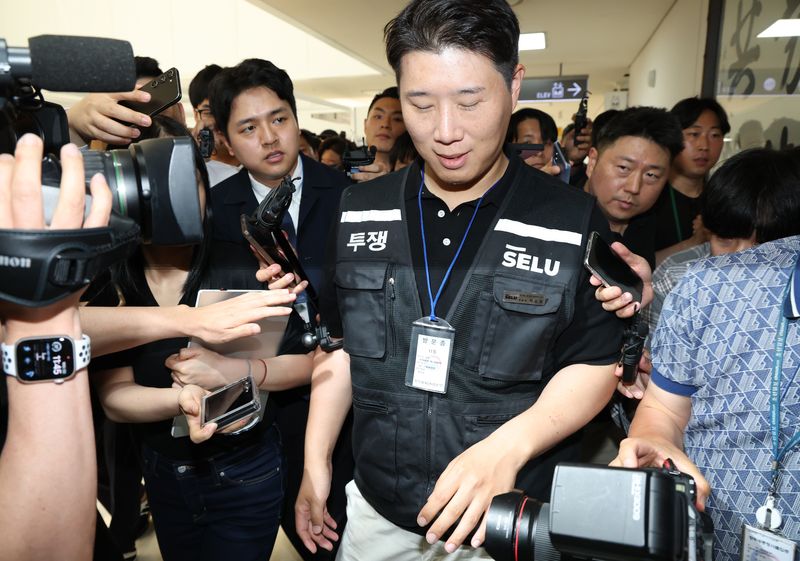
Industrial Safety & Labor Conditions
- Safety Concerns: The court's order to maintain "normal staffing and production" during the strike introduces new complications for site safety and the operational capacity of the production line.
- Labor Disparity: The exit of 4,000 DX division members highlights the structural "labor condition gaps" between business units, a common issue in both public and private sectors.
Policy & Legal Trends
- Emergency Adjustment: As the Prime Minister and President signal potential action, the legal process (Labor Minister's decision → Central Labor Relations Commission mediation → up to 30-day strike suspension) is becoming a real possibility.
- "Public Interest in Labor Negotiations": Minister Kim Young-hoon’s framing suggests the government intends to apply public interest criteria to private labor negotiations, a logic that could eventually extend to public sector bargaining.
What to Watch Next
- May 21 — Planned Strike Date: All eyes are on whether a final deal is reached or if the government triggers an emergency adjustment.
- Legal Appeals: If the union appeals the court's injunction, the legal battle over the legitimacy of the strike will intensify.
- Union Representativeness: Final numbers on the DX division exits at the end of May will determine if the union maintains its majority status and its right to represent the workforce.
Reader Action Items
- Public Sector Labor Officers: Evaluate how the court’s logic (mandating normal operations during strikes) might impact the interpretation of essential maintenance service agreements in public institutions.
- Union Activists: Review the criteria for emergency adjustment orders (public service designations) to see if your workplace is at risk.
- Policy Makers: Identify structural pay gaps within your organizations, similar to the DX/DS bonus rift, to address potential sources of internal division proactively.
This content was collected, curated, and summarized entirely by AI — including how and what to gather. It may contain inaccuracies. Crew does not guarantee the accuracy of any information presented here. Always verify facts on your own before acting on them. Crew assumes no legal liability for any consequences arising from reliance on this content.
Powered by
