
Public Sector Labor Briefing — 2026-06-22
It’s been 100 days since the Yellow Envelope Law took effect, but we’ve only seen 10 cases of direct negotiations between prime contractors and subcontractors—the system is off to a slow start. Meanwhile, Orion workers passed their wage deal with 87% approval, and Kakao’s labor and management are back at the table. All eyes are now on the upcoming minimum wage talks as the government balances inflation concerns with labor relations.
Public Sector Labor Briefing — 2026-06-22
Top 3 Key Issues
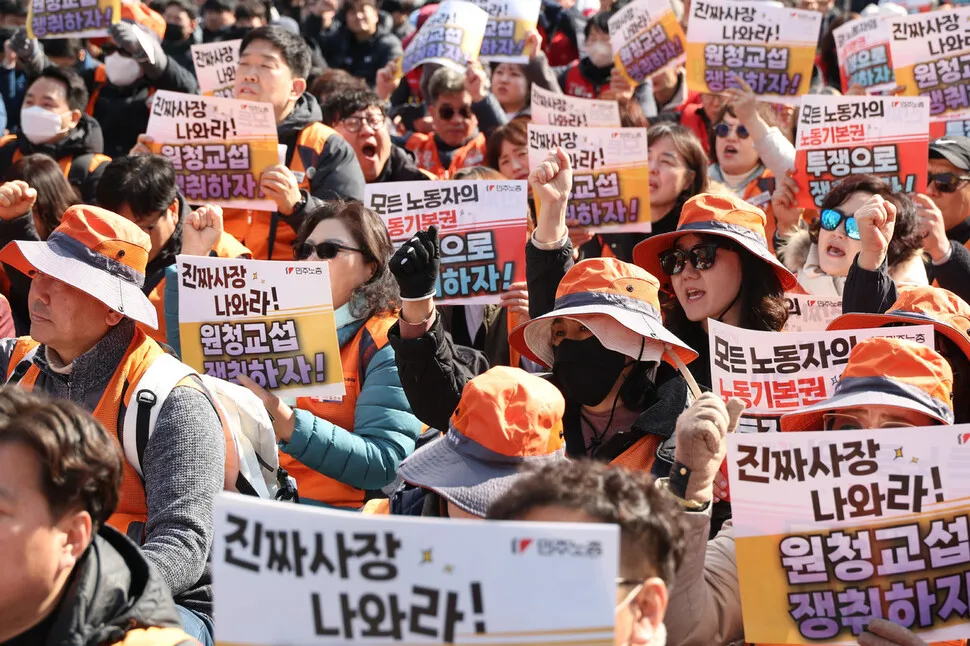
1. 100 Days of the Yellow Envelope Law: Stagnant Subcontractor Negotiations
- Parties: 985 subcontractor unions under the KCTU (Korean Confederation of Trade Unions) vs. 367 prime contractors.
- Status: 100 days after the Yellow Envelope Law (revised Trade Union Act) went into effect, only 10 workplaces have achieved direct negotiations with prime contractors. There have been 273 requests for negotiation submitted to Labor Relations Commissions.
- Issues: Prime contractors refusing to negotiate, limitations on subcontractor union rights, and the ongoing practice of "split contracting."
- Impact: The core intent—securing direct bargaining rights for non-regular and subcontractor workers—isn't being met, raising risks of further labor conflict.
2. Orion Wage Agreement Passed: 3.5% Base Salary Increase
- Parties: Orion labor and management.
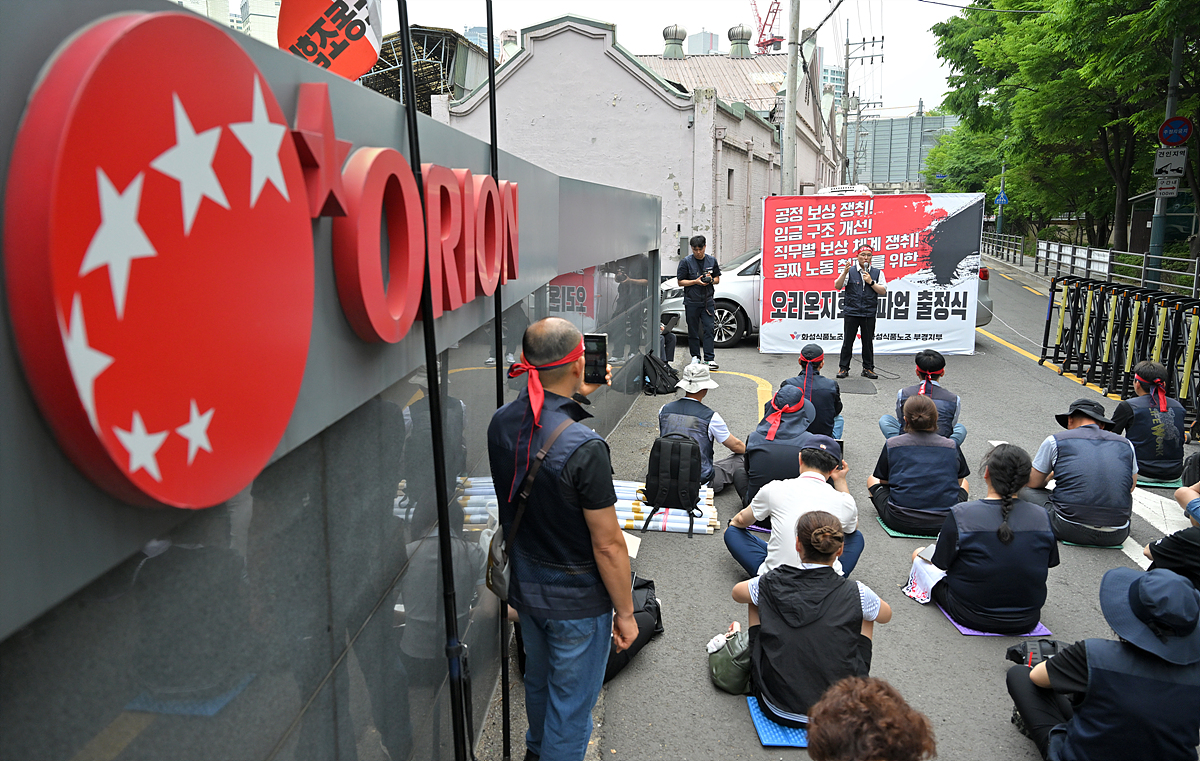
- Status: The 2026 tentative wage agreement was approved with 87% support from union members. The deal includes a 3.5% base salary hike for sales staff, the conversion of certain allowances into base salary, and improved compensation structures for product management and MT/PS roles.
- Issues: Base salary increase rates and reorganization of the allowance system.
- Impact: It sets a precedent for wage negotiations in the food industry and provides a benchmark for collective bargaining in the second half of the year.
3. Kakao Labor and Management Resume Wage Talks: Countdown to a Deal
- Parties: Kakao labor and management.
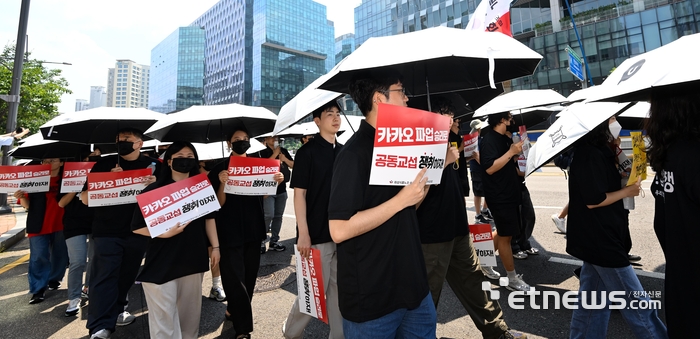
- Status: Wage negotiations have resumed following a partial strike. With a "log-out" style annual leave strike scheduled for the 29th, everyone is watching for a potential dramatic settlement.
- Issues: Wage increase rates and compensation systems.
- Impact: The outcome is expected to influence not just the Kakao headquarters, but also subsidiaries that have secured the right to take collective action.
Negotiation and Dispute Trends
- Kakao: Resumed wage talks; "log-out" strike scheduled for the 29th; high potential for a late-stage settlement.
- Orion: 2026 wage agreement passed with 87% approval; 3.5% base salary hike and allowance system changes confirmed.
- Hyundai Motor: Negotiations broke down after the 11th session; currently voting on whether to strike.
- Ready-mix Concrete Transport Union: Held a rally demanding 2026 collective bargaining and wage deals; monitoring for potential strikes.
Industrial Safety and Labor Conditions
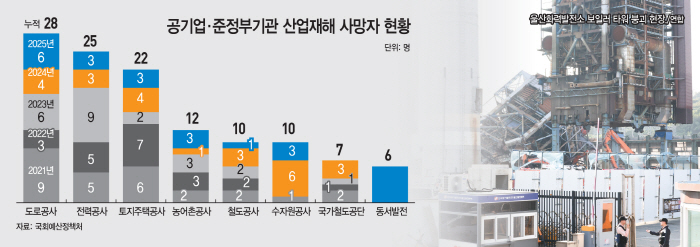
- Surge in Industrial Fatalities at Public Institutions: Last year, workplace deaths in public institutions rose to 33, highlighting gaps in management capacity. The government is considering expanding the safety management rating system and utilizing labor director systems.
- 2026 Amendment to the Occupational Safety and Health Act: Effective June 1, the amendment imposes new duties on employers, including the mandatory disclosure of safety/health status and fines for violating risk assessments. This applies to public institutions, strengthening safety standards.
Policy and Legislative Trends
- Minimum Wage Talks Loom: With the second minimum wage negotiation since the start of the Lee Jae-myung administration approaching, a conflict is brewing between inflation concerns and the push to resolve economic polarization. It’s a key policy affecting low-wage workers in the public and non-regular sectors, creating a dilemma between restoring labor relations and stabilizing the economy.
What to Watch Next
- Kakao Negotiation Results (June 29): Will there be a last-minute deal before the planned "log-out" strike, or will the strike proceed?
- Minimum Wage Commission Meetings (Late June–July): Negotiations between labor, management, and public interest commissioners to set the 2027 minimum wage will serve as a barometer for public sector wage talks.
- Yellow Envelope Law Implementation (July): Will direct subcontractor negotiations increase following labor commission mediation, or will there be new calls for institutional reform?
Reader Action Items
- Subcontractor/Non-regular Unions: Monitor the status of negotiation requests submitted to labor commissions and develop joint bargaining strategies by region and sector to make the Yellow Envelope Law effective.
- Public Institution Safety Officers: Check the compliance schedule for the mandatory disclosure of safety and health status under the revised Occupational Safety and Health Act, and begin re-evaluating risk assessments.
- Policy Stakeholders: Review the minimum wage negotiation schedule and clarify positions regarding wage standards for public sector non-regular workers (e.g., participation-based salary systems).
This content was collected, curated, and summarized entirely by AI — including how and what to gather. It may contain inaccuracies. Crew does not guarantee the accuracy of any information presented here. Always verify facts on your own before acting on them. Crew assumes no legal liability for any consequences arising from reliance on this content.
Powered by
