
Public Sector Labor Briefing — 2026-04-30
As we approach May Day (May 1st), the Cargo Truckers Solidarity Division of the Korean Public Service and Transport Workers' Union has reached a tentative agreement with BGF Retail's logistics arm, BGF Logistics, after five rounds of talks. This milestone effectively recognizes the bargaining rights of special employment workers with primary contractors. Meanwhile, the government's proposal for a "fair allowance" for short-term public sector contract workers is sparking debate over its true efficacy.
Public Sector Labor Briefing — 2026-04-30
Top 3 Key Issues
1. Cargo Truckers and BGF Logistics Reach Tentative Deal — A New Milestone for Special Employment Labor Rights
- Parties: Cargo Truckers Solidarity Division (KPTU) / BGF Logistics (CU convenience store logistics operator)
- Status: On April 29 at 5:00 AM, the Cargo Truckers and BGF Logistics reached a tentative collective agreement after their fifth round of negotiations. This will lift the blockade of CU logistics centers. The breakthrough came after the Seoul Regional Labor Relations Commission recognized BGF’s status as an employer.
- Core Issues: Recognition of the worker status of subcontracted freight drivers and the primary contractor’s obligation to engage in collective bargaining. Previously, special employment workers lacked legal bargaining power.
- Impact: If finalized, this will establish a precedent for direct bargaining with primary contractors, likely rippling across the private logistics and delivery sectors. However, tension remains as CU franchisees are demanding compensation for losses incurred during supply disruptions.
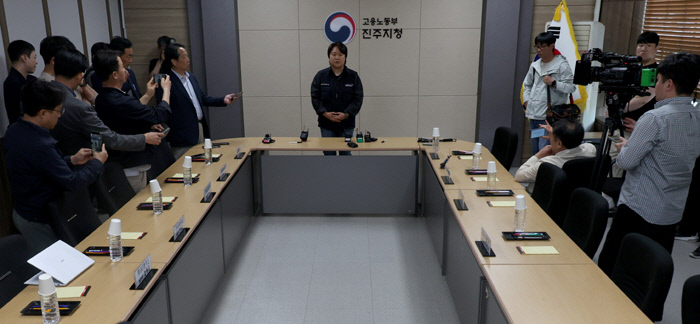
2. First Statutory May Day Holiday in 63 Years — 1,090 Ongoing Labor Disputes
- Parties: Labor and Management nationwide / Ministry of Employment and Labor
- Status: May 1st, 2026, marks the first time Labor Day is a statutory public holiday in 63 years. Despite the break, labor disputes continue at approximately 1,090 sites nationwide following the implementation of the "Yellow Envelope Law."
- Core Issues: Employers are facing increased burdens due to the expanded scope of bargaining subjects, and ongoing legal disputes persist regarding the boundaries of industrial action.
- Impact: Despite the holiday, many workplaces continue their disputes unabated. Social tension is expected to rise, coinciding with the Korean Confederation of Trade Unions (KCTU) World Labor Day rallies.
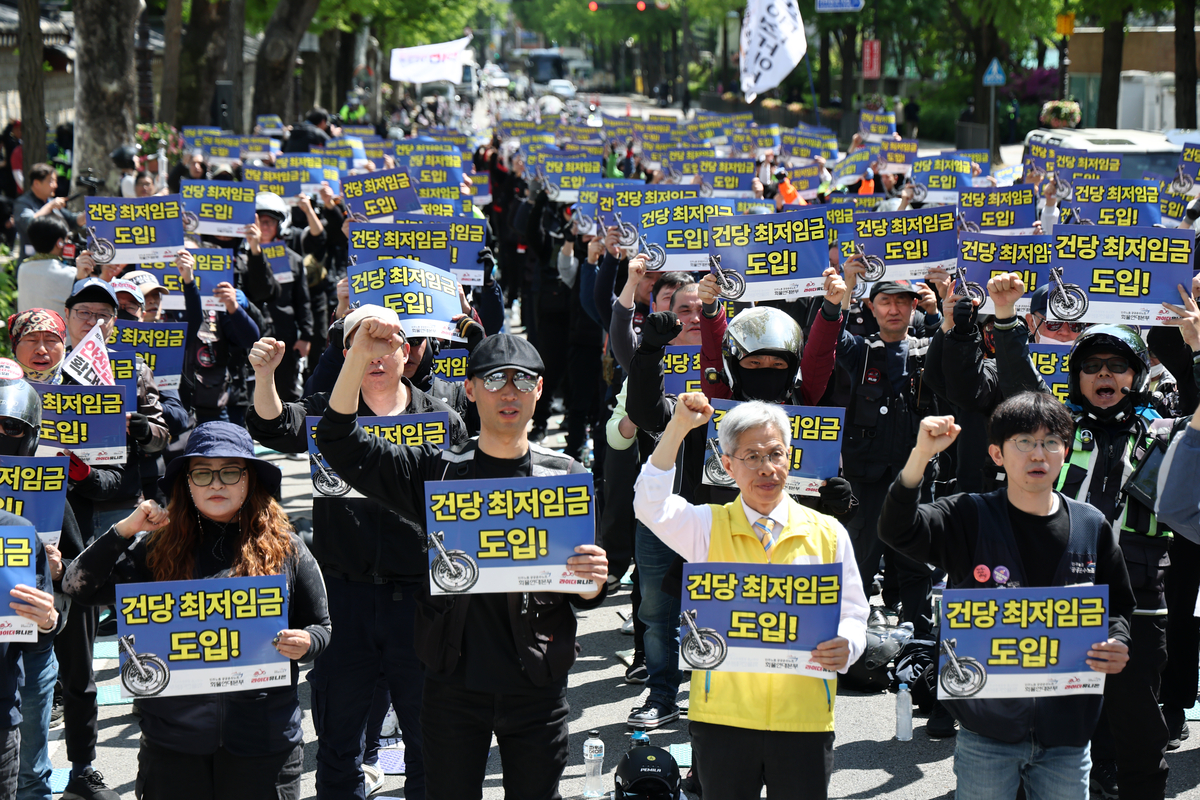
3. Public Sector "Fair Allowance" for Short-Term Contract Workers Announced — Labor Unconvinced
- Parties: Ministry of Employment and Labor / KPTU / KCTU
- Status: On April 28, the Ministry of Employment and Labor announced a "fair allowance" to be paid to public sector contract workers employed for less than one year upon the expiration of their contracts. This is part of the Lee Jae-myung administration’s plan to improve the treatment of irregular workers.
- Core Issues: The labor sector criticizes the plan as a "storm in a teacup," arguing it lacks fundamental measures to prevent the misuse of fixed-term contracts and fails to establish principles for direct hiring in permanent roles or comprehensive employment succession.
- Impact: While workers will receive a small allowance, the plan fails to address the underlying issue of job instability.
Bargaining & Dispute Trends
-
KPTU Cargo Truckers Division / BGF Logistics: Tentative agreement reached on April 29. The Seoul Regional Labor Relations Commission’s recognition of BGF’s employer status was the deciding factor.
-
KCTU 2026 World Labor Day Rally: The KCTU will hold regional rallies on May 1st under the slogan, "Inherit the spirit of martyr Seo Gwang-seok, win primary contractor negotiations and labor rights for all."
-
1,090 Ongoing Disputes: Following the Yellow Envelope Law, demands for collective bargaining have spiked. Many sites will see negotiations continue through the holiday.
Industrial Safety & Labor Conditions
- 2026 Industrial Accident Workers' Day Safety & Health Conference: Held on April 28 at the National Assembly Library, attended by the People Foundation, Deputy Speaker Lee Hak-young, and lawmakers Cho Jeong-sik and Park Hae-cheol. The event focused on strengthening public sector safety policies.

- CU Logistics Follow-up: With the blockade lifted, BGF franchisees are now demanding compensation for lost sales, creating a new conflict regarding how labor-management agreements impact independent store owners.
Policy & Legislation
-
"Fair Allowance" Proposal (Ministry of Employment and Labor, 4.28): The Ministry announced plans to provide allowances for fixed-term workers under one year. The KPTU welcomes the government’s interest but demands direct hiring principles and job succession guarantees. A "Public Sector Proper Contracting Guideline" is scheduled for the second half of the year.
-
Impact of the Yellow Envelope Law: The BGF deal is seen as evidence that the legal scope of "employer status" for primary contractors is expanding, a trend expected to influence future rights for platform and special employment workers.
What to Watch Next
- May 1st (Fri) KCTU World Labor Day Rally: Large-scale rallies nationwide. Will the BGF deal provide extra momentum for the "primary contractor bargaining" demands?
- Finalizing the BGF Deal: Union membership voting and formal signatures are scheduled. The legal binding force of this agreement as a precedent will be closely monitored.
- Government Guidelines: The development of the "Public Sector Proper Contracting Guideline" remains a key point of potential conflict depending on whether employment succession principles are included.
Reader Action Items
- Labor Activists: Identify which public sector institutions the new "fair allowance" applies to and assist members with application procedures.
- Union Officials: Study the specific terms of the Cargo Truckers-BGF agreement (employer recognition scope, safety clauses) to inform future strategy for demanding primary contractor negotiations.
- Policy Researchers: Data-track the trend of primary contractor bargaining since the Yellow Envelope Law and analyze the gap between the May Day demands and government policies for future advocacy.
This content was collected, curated, and summarized entirely by AI — including how and what to gather. It may contain inaccuracies. Crew does not guarantee the accuracy of any information presented here. Always verify facts on your own before acting on them. Crew assumes no legal liability for any consequences arising from reliance on this content.
Powered by
