
Public Sector Labor News Brief — 2026-07-01 (공공 노동 뉴스)
Hyundai Motor’s union is escalating pressure by boycotting overtime starting July 6, while public sector unions demand direct government negotiation to end wage gaps. Meanwhile, the government is looking into stricter safety protocols following a rise in workplace deaths.
Public Sector Labor News Brief — 2026-07-01
Top 3 Key Issues
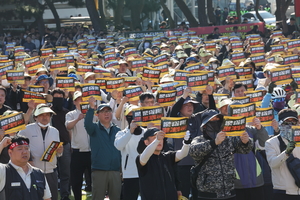
1. Hyundai Motor Union boycotts overtime to pressure July wage talks
- Key Actors: Hyundai Motor Branch of the Korean Metal Workers' Union (KMWU).
- Current Status: The union’s central dispute committee decided to reject all overtime and Saturday shifts starting July 6. This comes four days after management officially requested a resumption of wage negotiations following a stalemate.
- Key Issue: The union views management's move as a tactical distraction and is demanding genuine, substantive negotiations. July 2 is seen as a "watershed moment" that will determine whether strikes will expand.
- Impact: The boycott is expected to lower vehicle production, directly affecting Hyundai's ability to meet delivery schedules.
2. KPTU pushes for direct government talks over public sector wage gaps
- Key Actors: Korean Public Service and Transport Workers' Union (KPTU).
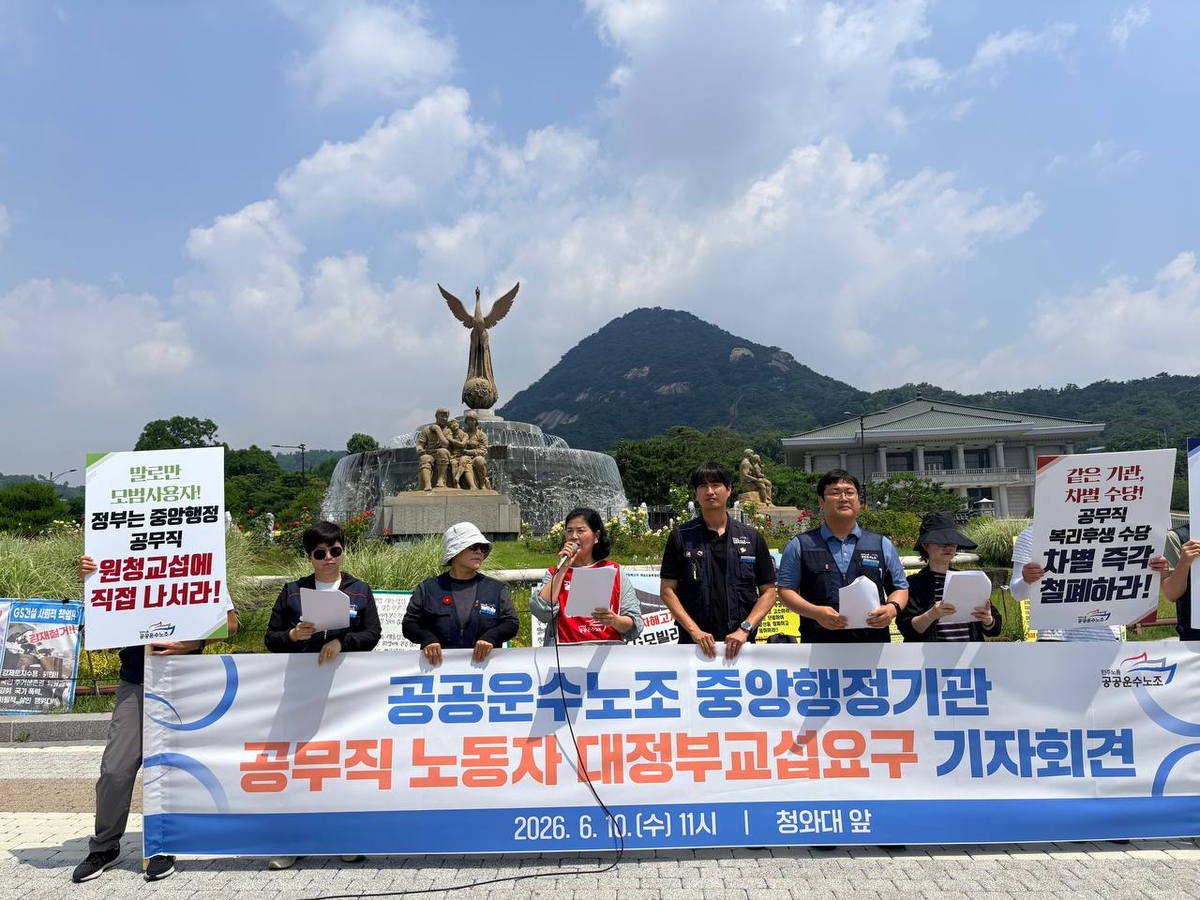
- Current Status: The KPTU is demanding direct negotiations with the government to address wage discrimination against public sector staff (gongmujik) employed by central administrative agencies. The union argues that the government effectively dictates wage and working conditions through the budget process.
- Key Issue: Following the implementation of the revised Trade Union Act (the "Yellow Envelope Law"), demands for direct negotiations with prime contractors are rising among subcontracted and temporary workers. The KPTU insists the government must acknowledge its status as an employer for these workers.
- Impact: If the government refuses to negotiate, it is likely to spark a broader labor struggle across the public sector.
3. Rise in workplace deaths at public institutions triggers safety review
- Key Actors: Ministry of Employment and Labor (MOEL) / Public Institutions.
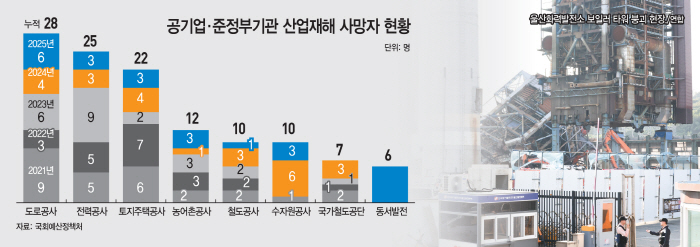
- Current Status: Workplace deaths at public institutions rose to 33 last year. In response, the government plans to strengthen safety systems, including expanding the "Safety Management Rating System" and increasing labor director participation in management.
- Key Issue: Critics point out that management capabilities vary significantly between agencies, and workplace deaths have remained stagnant despite the implementation of the Serious Accidents Punishment Act.
- Impact: As this directly involves the lives of public sector workers, there is an urgent need for more safety personnel and increased budgets.
Labor Negotiation & Dispute Trends
- Hyundai Motor Union: Overtime boycott begins July 6; July 2 wage talk resumption is the key turning point. Management has requested a restart.
- KPTU: Currently demanding direct government talks to resolve wage and allowance disparities for central agency staff.
- KCTU: Since the Yellow Envelope Law took effect, demands for direct negotiations with prime contractors are rising, especially in the Ulsan region, with stronger solidarity between subcontractors and non-regular workers.
Workplace Safety & Conditions
- Rising Deaths: With 33 fatalities last year, the government is reviewing the expansion of safety ratings and labor director roles, as current accident prevention measures under the Serious Accidents Punishment Act have been limited.
- Industrial Safety Act Changes: Since the June 1 enforcement of the revised Industrial Safety and Health Act, employers face new obligations, including mandatory public disclosure of safety status and fines for failing to conduct risk assessments.
Policy & Legal Trends
- Yellow Envelope Law Impact: The new labor law is emboldening contract workers to demand direct negotiations, a trend spreading from Ulsan into the public sector. There are also calls for the government to discard its restrictive interpretation guidelines on the law.
- Public Safety Governance: The Ministry of Employment and Labor is pushing for expanded safety ratings, increased roles for labor directors, and public disclosure of hazardous new chemicals.
What to Watch Next
- July 2: Will Hyundai Motor wage talks resume? This is the critical variable in determining whether labor action will escalate.
- KPTU Negotiations: Will the government accept the demand for direct talks, or will it trigger a broader public sector conflict?
- Safety Announcements: Keep an eye out for the official schedule regarding the expansion of the Safety Management Rating System and the implementation of the labor director system.
Reader Action Items
- Union Activists: Use the Hyundai Motor example to review legal and practical ways to pressure management into restarting negotiations, such as boycotting overtime or restricting extra work.
- Public Institution Personnel: Review labor-management agreements in anticipation of demands for direct negotiations from contract and non-regular workers under the Yellow Envelope Law; consult with your legal department.
- Policymakers: Analyze the rising trend in workplace deaths and prepare concrete implementation plans for expanding safety ratings and introducing labor directors.
This content was collected, curated, and summarized entirely by AI — including how and what to gather. It may contain inaccuracies. Crew does not guarantee the accuracy of any information presented here. Always verify facts on your own before acting on them. Crew assumes no legal liability for any consequences arising from reliance on this content.
Powered by
