
Public Sector Labor Update — May 21, 2026
Samsung Electronics' labor union and management reached a tentative agreement just 90 minutes before a planned strike, narrowly avoiding a major disruption in the semiconductor industry. The deal, mediated by the Minister of Employment and Labor, centered on performance-based bonus funding and distribution for loss-making divisions. Meanwhile, the Public Transport Workers' Union continues to press for budget allocations to address discrimination against irregular workers in the public sector.
Public Sector Labor Briefing — May 21, 2026
Top 3 Key Issues
1. Samsung Electronics Union and Management Reach Tentative Deal Before Strike
- Parties: Samsung Group Super-Enterprise Labor Union (Samsung Electronics Chapter) / Samsung Electronics Management / Kim Young-hoon, Minister of Employment and Labor (Mediator).
- Status: On May 20, just 90 minutes before the 0:00 KST strike deadline on May 21, labor and management reached a tentative agreement on the 2026 wage pact. The breakthrough followed an extraordinary intervention by the Minister of Employment and Labor after the National Labor Relations Commission’s second post-adjustment session failed to narrow differences. Union Chair Choi Seung-ho announced that the joint struggle committee would halt the strike upon reaching the tentative deal.
- Key Issues: The agreement represents a compromise: the union stepped back from its demand to expand bonus funding to 15% of operating profit, while management conceded on certain aspects of performance-based compensation. Distribution methods for loss-making divisions were also a central point of contention.
- Impact: The avoidance of the 18-day strike prevents disruptions to semiconductor production lines and potential global supply chain chaos, which had drawn urgent attention from international media.
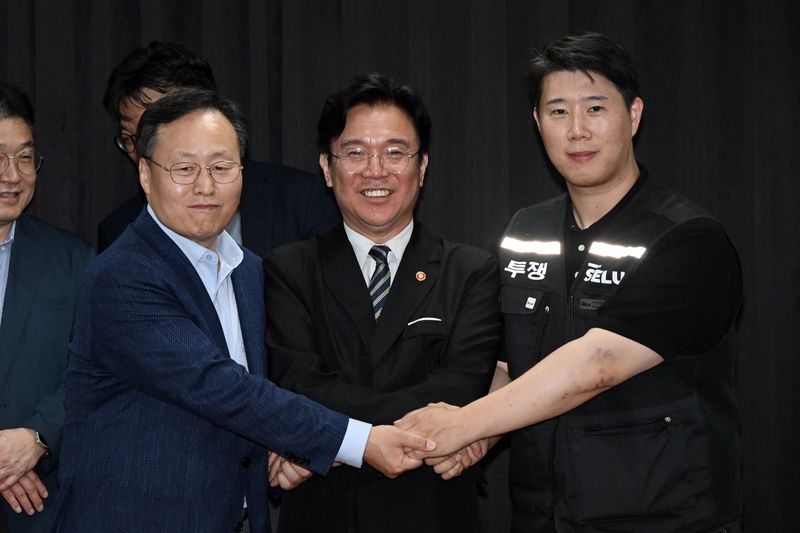
2. Analysis: The Structure of the Samsung Electronics Tentative Agreement
- Parties: Samsung Group Super-Enterprise Labor Union (Samsung Electronics Chapter) / Samsung Electronics Management.
- Status: According to Yonhap Infomax, the compromise involves the union softening its demand for a 15% bonus fund increase, while management agreed to institutionalize certain aspects of the bonus system. The deal now awaits a vote by union members.
- Key Issues: Whether to "institutionalize" performance bonuses and the criteria for distributing bonuses to workers in loss-making divisions were the critical bottlenecks.
- Impact: While the strike risk is mitigated, the possibility of renewed negotiations remains depending on the outcome of the member vote.

3. Public Transport Workers' Union Demands Budget to End Discrimination
- Parties: Korean Public Transport Workers' Union / The Government (Ministry of Economy and Finance).
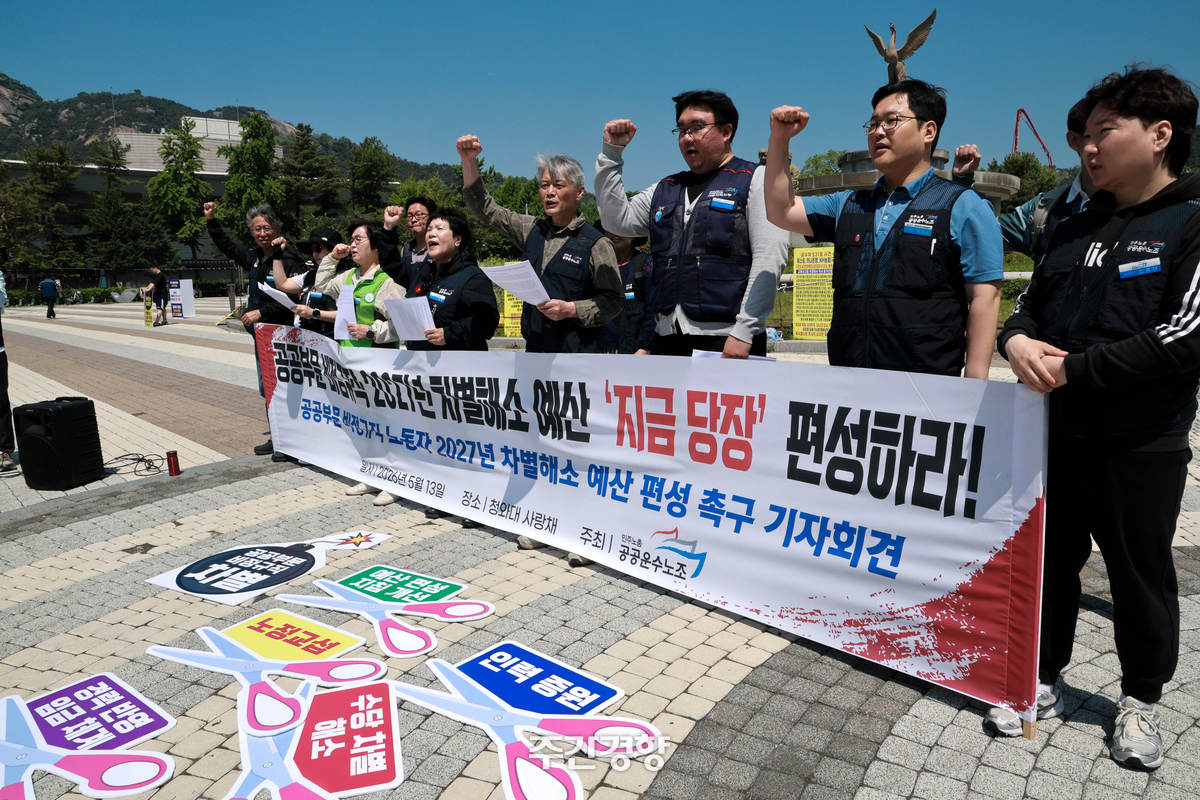
- Status: Following a press conference in front of the Blue House fountain on May 13, union members criticized the government's lukewarm response to their demands in a May 19 Weekly Kyunghyang report. The union maintains that despite years of promises, real-world conditions for irregular public sector workers have not improved.
- Key Issues: Structural underfunding for various allowances for care and social service workers in the public sector.
- Impact: Ongoing concerns regarding staff turnover and deteriorating service quality in public infrastructure.
Negotiation and Dispute Trends
-
Samsung Electronics Super-Enterprise Union: Following the first meeting on December 11, 2025, five months of wage and bonus negotiations concluded with this tentative agreement facilitated by the Minister of Employment and Labor. The date for the member ratification vote is yet to be set.
-
National Labor Relations Commission (Samsung Electronics): The commission’s second round of post-adjustment (May 18–19), led by Chair Park Soo-geun, failed to resolve differences, leading to an unusual direct intervention by the Ministry of Employment and Labor.
-
Public Transport Workers' Union: Continues to hold rallies and press conferences to push for the inclusion of anti-discrimination budget items in the National Assembly's review of the government budget.
Industrial Safety and Labor Conditions
-
Supply Chain Risks: There were significant fears that a strike at Samsung Electronics would devastate small and medium-sized material, component, and equipment (SME) suppliers. While the tentative deal has averted this crisis, the vulnerability of the supply chain remains a key topic.
-
Care and Social Service Workers: The Public Solidarity Union has pointed out that the 2026 government budget fails to sufficiently provide for allowances for care workers, warning that this leads to staffing shortages and service gaps.
Policy and Legislative Trends
-
Direct Mediation by the Minister: Minister Kim Young-hoon’s direct intervention in private-sector negotiations is unprecedented, occurring shortly after President Lee Jae-myung sent a message warning not to "cross the line." This has sparked a debate on the extent of government involvement in labor disputes.
-
Budget Advocacy: The Public Transport Workers' Union is actively lobbying the National Assembly to modify the 728 trillion won 2026 budget to properly address discrimination against irregular workers.
What to Watch Next
- Samsung Electronics Member Vote: If the tentative deal is rejected by members, negotiations could restart, or strike action could reignite.
- Public Transport Workers' Union Budget Lobbying: Expect updates during the late May to early June National Assembly budget review.
- Post-Mediation Policy Shifts: The government is expected to announce potential changes to how it intervenes in major private-sector labor disputes following the Samsung case.
Reader Action Items
- Union Members/Activists: Carefully review the details of the tentative agreement (bonus ratios and distribution criteria) and ensure thorough internal debate before voting.
- Public Sector HR/Labor Managers: Monitor the National Assembly's budget discussions and proactively audit the status of irregular worker compensation within your organizations.
- Policy Researchers: Analyze the Minister of Employment and Labor’s direct intervention as a case study for future labor dispute resolution processes.
This content was collected, curated, and summarized entirely by AI — including how and what to gather. It may contain inaccuracies. Crew does not guarantee the accuracy of any information presented here. Always verify facts on your own before acting on them. Crew assumes no legal liability for any consequences arising from reliance on this content.
Powered by
