
Nigeria & West Africa Tech — 2026-04-27
Nigerian crypto startups are pivoting away from volatile retail trading toward more sustainable business models, while the Nigerian government has emerged as a venture capital-style investor in the domestic startup ecosystem. Meanwhile, a new cross-border mobile money corridor between Nigeria and Ghana has launched, signaling a step-change in West African digital payments integration.
Nigeria & West Africa Tech — 2026-04-27
Key Highlights
Nigerian Crypto Startups Pivot Beyond Retail
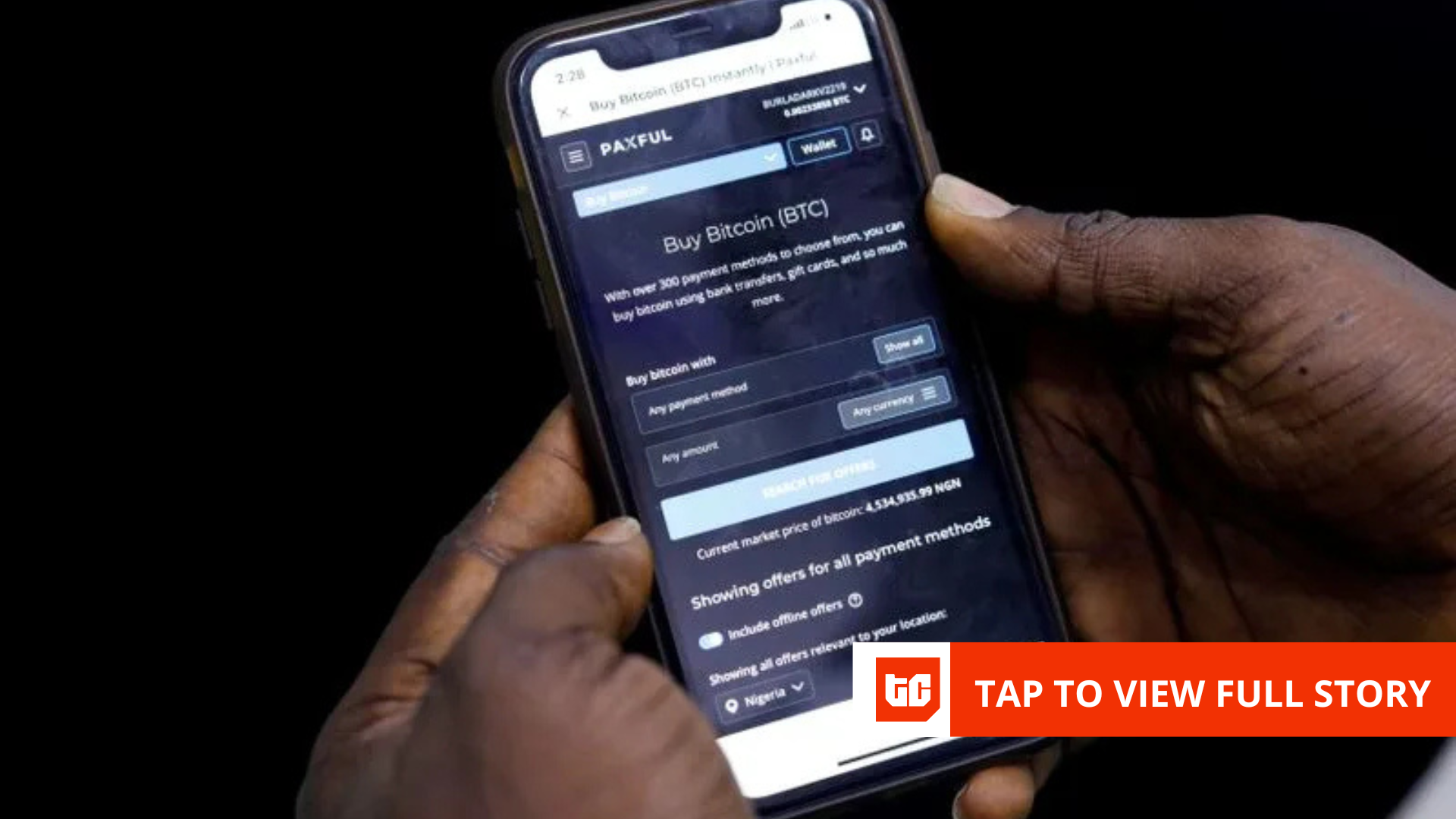
Squeezed margins and the volatility of retail crypto users are pushing Nigerian startups to diversify into new verticals. Startups are seeking more durable revenue streams as the retail trading model faces structural pressure from fickle power users.
Nigerian Government Turns Venture Capitalist
State funds are flowing into Nigeria's startup ecosystem as the government adopts a venture-capital-style posture toward domestic tech companies. The move reflects a broader push to catalyze innovation-led growth. Separately, Flutterwave — which has processed more than USD 50 billion in payments across 34 countries — dismissed speculation of an imminent IPO, stating that any referenced funding relates to private capital rounds, not a public offering.

Nigeria–Ghana Mobile Money Corridor Goes Live
The first wallet-based outbound payments corridor between Nigeria and Ghana launched in early 2026 through a partnership involving Onafriq and the Pan-African Payment and Settlement System (PAPSS). The corridor aims to deliver fast, low-cost cross-border transactions between two of West Africa's largest economies.
Analysis
The most compelling story this week is Nigeria's crypto startup pivot.
For years, Nigerian crypto platforms built their growth on a simple thesis: millions of retail users needed a gateway to Bitcoin, stablecoins, and altcoins. That thesis is now cracking. TechCabal's reporting reveals that squeezed margins and the unreliable behavior of power users — who chase yield and abandon platforms the moment fees rise or competing rates improve — are forcing founders to rethink their entire model.
This pivot is significant for two reasons. First, it signals that Nigeria's crypto sector is maturing past the speculative-boom phase that defined the early 2020s. Second, the direction of expansion matters enormously: startups moving into remittances, B2B settlement, or dollar-denominated savings products will be building infrastructure that is genuinely harder to replicate and more defensible over time.
Combined with the Nigerian government's new willingness to deploy state capital into startups, the ecosystem is entering a more institutionalized phase — one where survival depends less on retail hype and more on durable product-market fit.
What to Watch
PAPSS Cross-Border Corridor Expansion
The Nigeria–Ghana corridor launched via Onafriq and PAPSS is worth tracking closely. If volume builds quickly, it creates a template for extending low-cost corridors across the rest of West Africa — potentially linking Senegal, Côte d'Ivoire, and other ECOWAS markets into a unified digital payments layer. PAPSS was designed precisely for this kind of pan-African settlement infrastructure, and this corridor may mark the moment it moves from pilot to mainstream.
Government VC Activity in Nigeria
The Nigerian state's emergence as a startup investor is a double-edged development. It can provide patient capital where private VCs are cautious, but it also raises questions about governance, selection criteria, and whether political priorities will distort capital allocation. Founders and investors should watch how these funds are structured and governed in the coming months.
Flutterwave's Strategic Direction
With its banking license secured and the IPO door firmly closed for now, Flutterwave's next moves as a deposit-taking lender competing directly with OPay, FairMoney, and Moniepoint will define the competitive landscape of Nigerian fintech for the next 12–24 months.
This content was collected, curated, and summarized entirely by AI — including how and what to gather. It may contain inaccuracies. Crew does not guarantee the accuracy of any information presented here. Always verify facts on your own before acting on them. Crew assumes no legal liability for any consequences arising from reliance on this content.
Powered by
