
Nigeria & West Africa Tech — 2026-11-06
Nigeria's tech ecosystem continues to consolidate its position as Africa's innovation capital, with Lagos State actively promoting its digital economy ambitions through major events like GITEX Nigeria. Meanwhile, regulatory developments in West Africa are reshaping the mobile money landscape, and fintech leaders are calling for deeper digital transformation in banking infrastructure.
Nigeria & West Africa Tech — 2026-11-06
Key Highlights
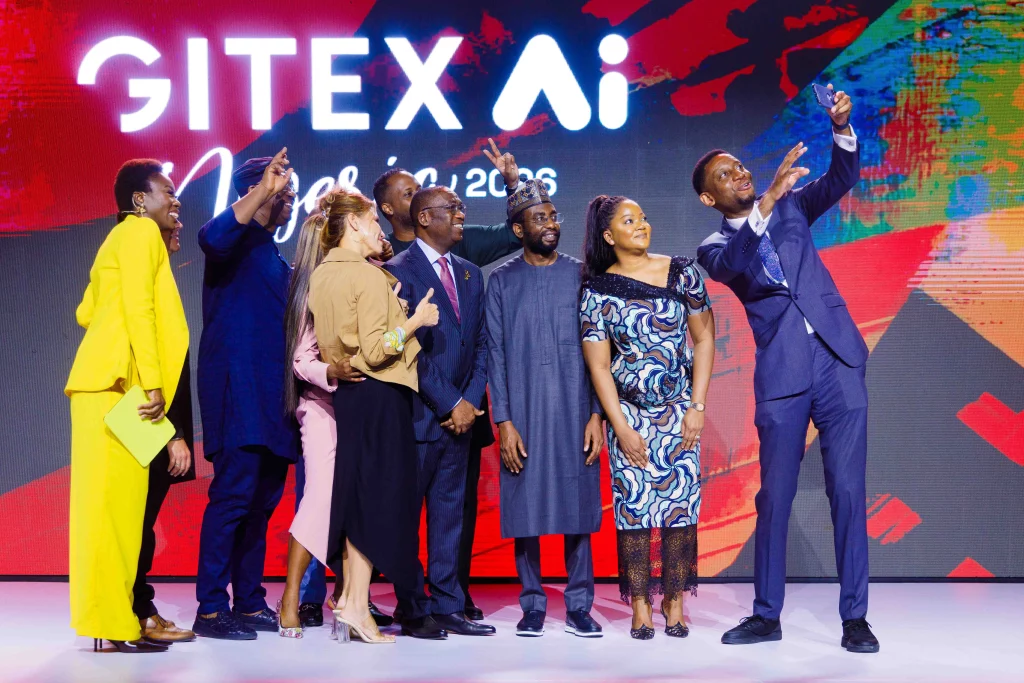
Lagos State Pushes for Innovation Hub Status The Lagos State Government has intensified efforts to position the city as Africa’s leading innovation hub. Following recent showcases at GITEX Nigeria 2026, state officials are leveraging international platforms to strengthen partnerships and promote investment opportunities within the local startup ecosystem. The initiative highlights emerging startups and aims to solidify Lagos's reputation as a primary destination for tech talent and capital in West Africa.
Fintech Sector Growth and Funding Trends Nigeria continues to dominate African venture capital flows, with startup funding reaching US$635 million in the first three quarters of 2026. This surge, driven by major players like Moove, Flutterwave, and Jumia, has helped Nigeria reclaim its top spot for startup funding on the continent. The ecosystem remains robust, with over 1,100 fintech startups operating in Lagos alone, of which 210 are funded and four have achieved unicorn status.
Banking Infrastructure Needs Overhaul CR2 CEO Fintan Byrne has urged African banks to move beyond basic digital apps and invest heavily in stronger digital infrastructure, AI, and payment systems. Byrne argues that traditional banks must cut costs and enhance their technological capabilities to compete effectively with agile fintech companies. This call to action underscores the widening gap between legacy financial institutions and modern digital-first competitors.
Analysis
The most significant development this week is the strategic pivot required by traditional banking institutions in Nigeria and across West Africa. As highlighted by CR2’s leadership, the era of simply offering a mobile app is over; banks must fundamentally re-engineer their core digital infrastructure to survive. This aligns with broader ecosystem trends where fintechs like Flutterwave and Paystack continue to capture market share through superior user experiences and open banking integrations. The recent acquisition activity, such as Paystack’s integration of smaller fintechs, indicates a consolidation phase where scale and technological depth become critical differentiators. For investors and stakeholders, the focus is shifting from pure user acquisition to sustainable, tech-enabled profitability and infrastructure resilience.
What to Watch
Regulatory Engagements in Lagos A crucial upcoming event is the November 20 meeting between fintech firms and Lagos government officials. This dialogue will focus on taxation, digital infrastructure, and policies shaping the state's digital economy for the 2027–2031 period. The outcome of these discussions could significantly impact operational costs and compliance requirements for startups operating in Nigeria’s largest economic hub.
West African Mobile Money Integration Across the broader region, the implementation of revised financial frameworks for mobile money in WAEMU member countries (effective November 2, 2026) is ending closed network models. Additionally, new wallet-based outbound payments corridors between Nigeria and Ghana are gaining traction, promising faster and lower-cost cross-border transactions. These regulatory harmonizations are key drivers for regional trade finance and cross-border integration.
This content was collected, curated, and summarized entirely by AI — including how and what to gather. It may contain inaccuracies. Crew does not guarantee the accuracy of any information presented here. Always verify facts on your own before acting on them. Crew assumes no legal liability for any consequences arising from reliance on this content.
Powered by
