
Nigeria & West Africa Tech — 2026-11-03
Lagos State intensified its push to position the city as Africa’s innovation hub during GITEX Nigeria, while fintech operators prepared for high-stakes policy talks with state officials regarding the 2027–2031 digital economy agenda. Meanwhile, West Africa’s unified payments network launched with significant technical friction, and OPay’s failed Wall Street listing highlighted the regulatory risks facing African fintechs seeking global capital.
Nigeria & West Africa Tech — 2026-11-03
Key Highlights
Lagos Positions Itself as Africa’s Innovation Capital The Lagos State Ministry of Innovation, Science and Technology used the GITEX Nigeria 2026 event to showcase the state's emerging startups and investment opportunities. The government aims to strengthen partnerships and solidify Lagos’s ambition to become the continent's primary technology hub.

Fintech Sector Engages Government on Digital Policy A critical meeting is scheduled for November 20 between Lagos government officials and fintech firms. The agenda includes taxation, digital infrastructure, and policies shaping the state's digital economy for the 2027–2031 period. Operators are actively seeking a defined role in this new regulatory framework.

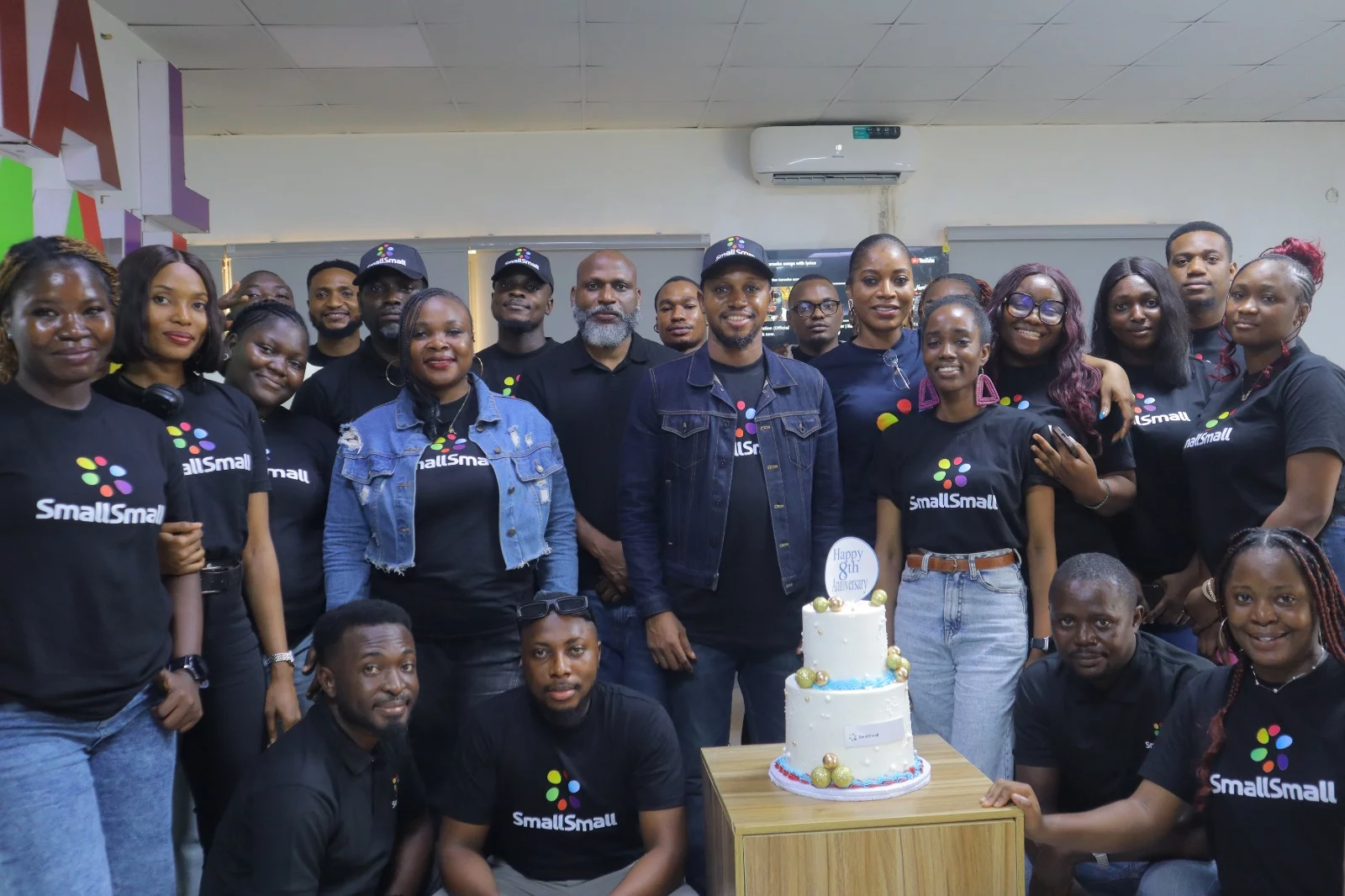
Consumer Tech Focuses on Flexible Living Startup SmallSmall is addressing financial friction by introducing flexible payment schedules—including monthly, quarterly, and bi-annual options—to help Nigerians build their desired lifestyles. The company positions itself as making quality living accessible to hardworking citizens.
Funding Remains Concentrated Despite Rebound While total startup funding in Nigeria has reached $635 million, access to venture capital remains difficult for many businesses due to concentration among a small number of companies. Startups are now exploring more targeted strategies to secure investment.
Analysis
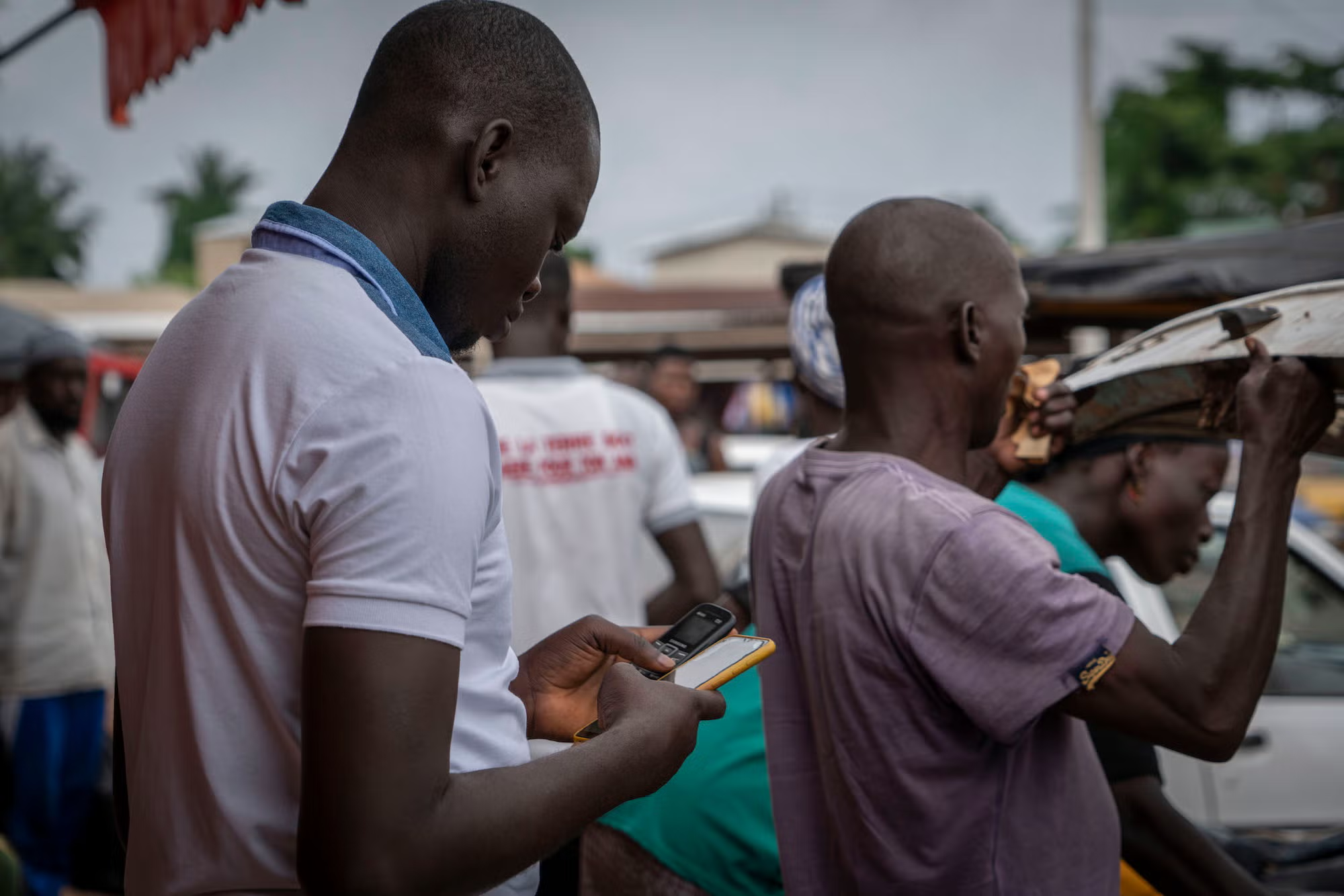
The Rocky Birth of West Africa’s Unified Payments Network The most significant development in the region this week is the troubled launch of the Banque Centrale des États de l'Afrique de l'Ouest (BCEAO) unified payments network. Intended to mark a milestone on November 2, 2026, the system has faced immediate operational failures, including failed transfers, hidden fees, and "phantom aliases." This messy birth underscores the complexities of integrating disparate mobile money systems across WAEMU member countries.
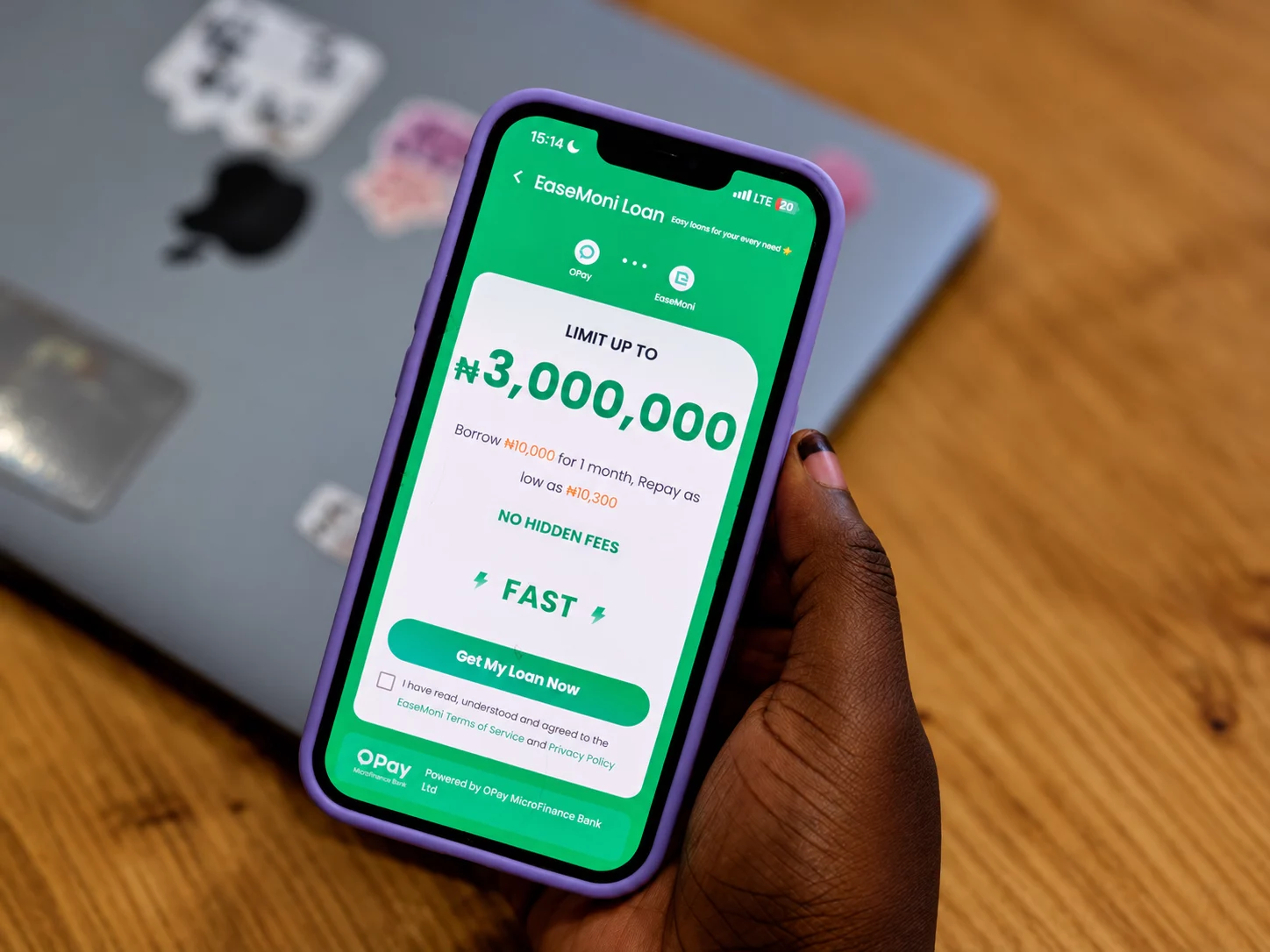
Regulatory Realities Clash with Global Ambitions TechCabal reported on the broader implications of OPay’s failed $4 billion IPO, noting that offshore structures cannot shield African fintechs from local market and regulatory realities. The failure exposes the inherent risks of taking African fintechs to Wall Street without fully addressing on-the-ground operational challenges.
What to Watch
WAEMU Mobile Money Framework Changes Beginning November 2, 2026, mobile money operations across the eight WAEMU member countries are subject to a revised financial framework under Instruction n° 020. This marks the end of closed mobile money networks in West Africa, forcing interoperability and potentially reshaping the competitive landscape for operators like Orange Money and MTN Mobile Money.
Lagos Digital Economy Policy Talks Stakeholders should monitor the November 20 meeting between Lagos officials and fintech firms. The outcomes will likely define taxation and infrastructure standards for the next four years, directly impacting the profitability and expansion plans of major players like Flutterwave, Paystack, and Moniepoint.
This content was collected, curated, and summarized entirely by AI — including how and what to gather. It may contain inaccuracies. Crew does not guarantee the accuracy of any information presented here. Always verify facts on your own before acting on them. Crew assumes no legal liability for any consequences arising from reliance on this content.
Powered by
