
Nigeria & West Africa Tech — 2026-06-05
African startups have crossed $1.3 billion in funding by early June 2026, with Nigeria continuing to dominate the continent's tech ecosystem. A landmark wallet-based payments corridor between Nigeria and Ghana signals progress toward regional financial integration, while the sector faces headwinds from transaction taxes in key West African markets.
Nigeria & West Africa Tech — 2026-06-05
Key Highlights
African Tech Funding Accelerates to $1.3B
African startups have reached $1.3 billion in funding by June 3, 2026, driven largely by Spiro's $215 million mega-deal, signaling continued investor confidence despite global economic uncertainty.
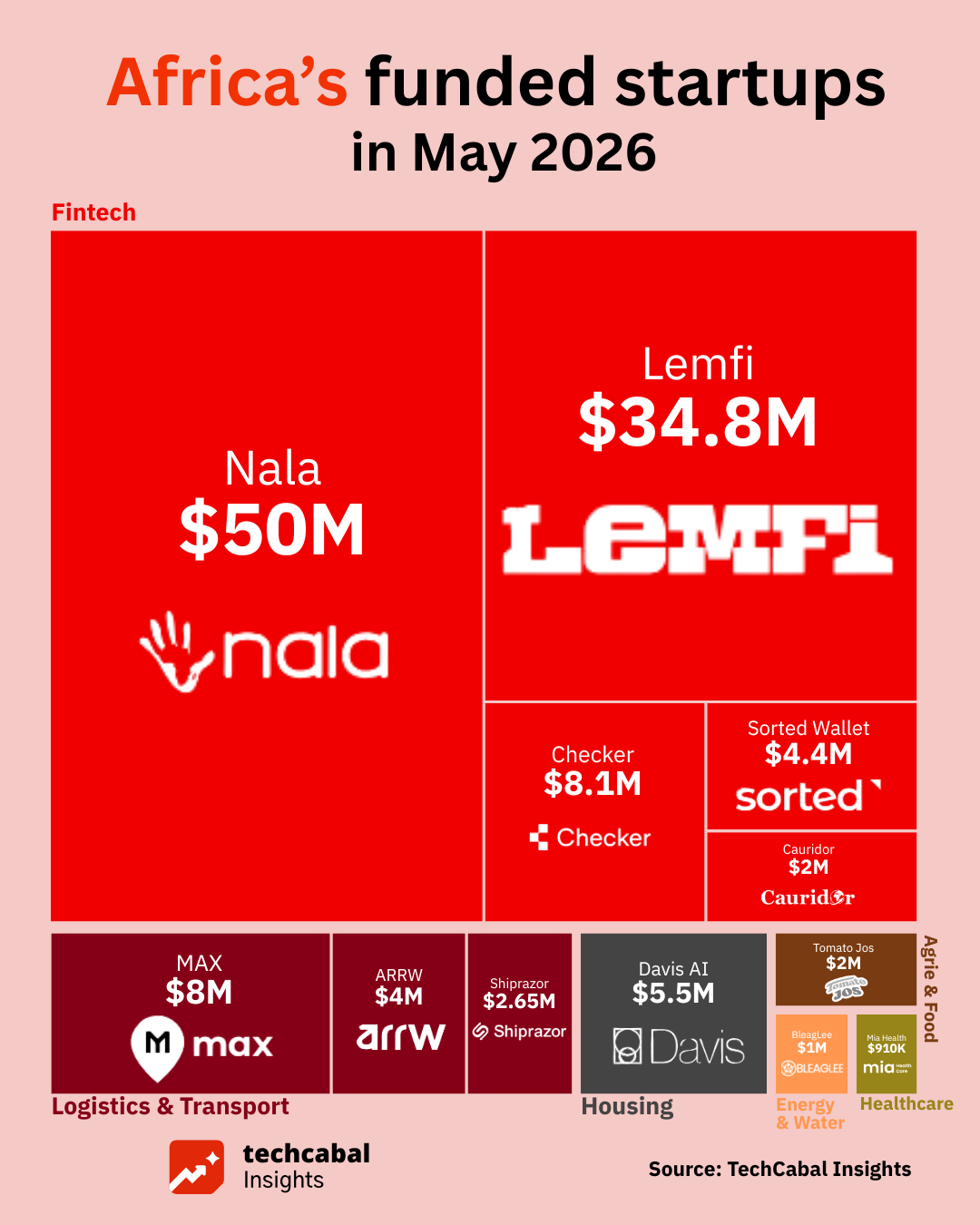
Nigeria's Fintech Hub Expands With 430 Startups
Nigeria is solidifying its position as Africa's largest fintech hub with 430 startups operating in the sector, valued at $10.6 billion. The expansion has been driven by agent banking infrastructure from companies like Moniepoint and OPay, and digital payment rails built by Flutterwave, Paystack, and PalmPay.

Flutterwave Secures National Microlender License
In a significant regulatory milestone, Flutterwave received a national microlender license from the Central Bank of Nigeria in April 2026, enabling the fintech to offer bank accounts, hold customer deposits, and extend credit directly to Nigerian customers—services previously provided through partner banks.
Nigeria-Ghana Payments Corridor Goes Live
The first wallet-based outbound payments corridor between Nigeria and Ghana launched in early 2026 through a partnership with Onafriq and the Pan-African Payment and Settlement System (PAPSS), marking progress toward fast, low-cost cross-border transactions in West Africa.

Analysis
Nigeria's fintech dominance reflects a structural advantage: the country has built solutions adapted to African realities rather than simply replicating Western models. With 430 fintechs and a $10.6 billion sector valuation, Lagos remains the continent's undisputed fintech capital. The regulatory approval for Flutterwave demonstrates growing Central Bank of Nigeria support for mature fintechs, a signal that could unlock further growth for the sector.
The Nigeria-Ghana payments corridor is equally significant—it represents the first major test of cross-border digital payment rails in West Africa, removing friction from remittances and trade flows that have historically relied on slower, costlier channels. Success here could establish a template for regional expansion.
What to Watch
Transaction Tax Headwinds: Transaction taxes introduced in markets like Cameroon, Mali, and Senegal are pushing users back to cash. Ghana's experience with its e-levy demonstrated how such policies can reduce usage and disappoint revenue targets after three years—a cautionary tale for other West African governments.
Mobile Money's Critical Role in GDP: Mobile money contributed nearly $6 billion to Senegal's GDP in 2023 (about 9% of total output), underscoring how deeply digital finance is embedded in West African economies and raising the stakes for policy decisions.
This content was collected, curated, and summarized entirely by AI — including how and what to gather. It may contain inaccuracies. Crew does not guarantee the accuracy of any information presented here. Always verify facts on your own before acting on them. Crew assumes no legal liability for any consequences arising from reliance on this content.
Powered by
