
Nigeria & West Africa Tech — 2026-07-13
African Web3 founders are reshaping global investor perceptions as crypto payments gain traction in Kenya and Nigeria. Meanwhile, a Nigerian cross-border fintech sunset highlights funding challenges, while the region's tech ecosystem pivots away from consumer fintech toward B2B enterprise software and AI infrastructure.
Nigeria & West Africa Tech — 2026-07-13
Key Highlights
Web3 Investors Rethink Africa Strategy
LAVA, an $11 million fund focused on African Web3 startups, is pushing back against outdated investor narratives about the continent. "What global investors still don't understand about African Web3" is that founders matter more than markets, according to LAVA founder Yoseph Ayele in a statement published today. The fund is actively investing in African teams building for global audiences rather than betting solely on local adoption, signaling a maturation in how venture capital approaches the region.

Crypto Payments Gaining Real-World Traction
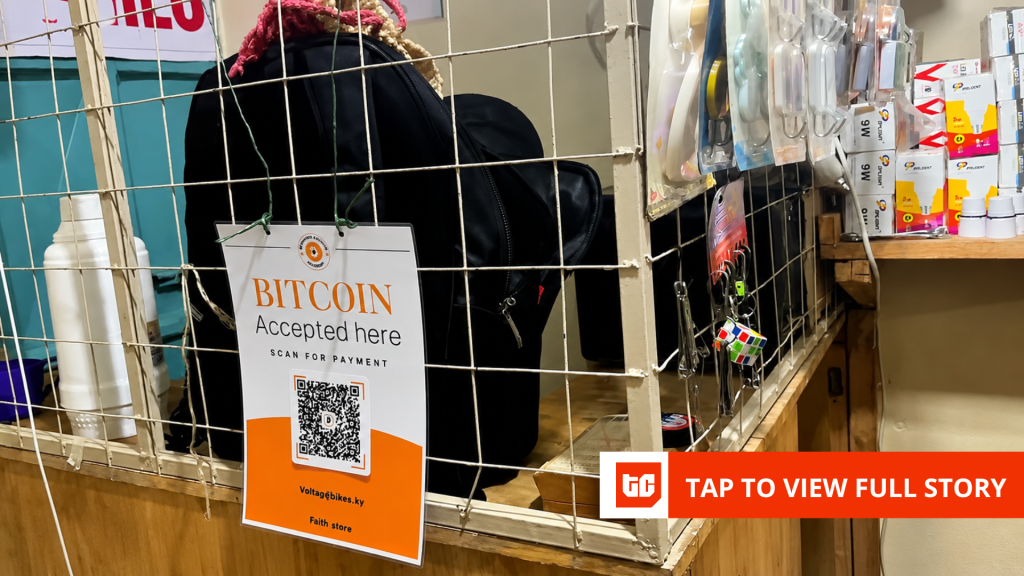
Bitcoin communities and fintech startups are testing competing models to make crypto payments work in everyday commerce. Merchants in Kenya and Nigeria are now accepting crypto payments, marking a shift from purely speculative interest to practical merchant adoption. Two distinct approaches are emerging in the region, with implications for how African commerce could integrate digital assets.
Gigbanc Winds Down Operations
Gigbanc, a Nigerian cross-border payment fintech, is shutting down after failing to secure funding. The closure underscores the selective nature of current venture capital—African founders raised $708 million in the first four months of 2026, but the number of startups receiving funding fell 31% compared to the same period in 2025.

Flutterwave Integrates Ripple's Blockchain
In June 2026, Flutterwave integrated Ripple's enterprise blockchain network and RLUSD stablecoin into its payment rails—one of the most significant tie-ups yet between an African fintech and a global digital-asset infrastructure provider. This signals major payment platforms are embracing blockchain rails for settlement.
Nigeria's Tech Pivot Beyond Fintech
Nigeria's technology ecosystem is shifting from consumer fintech toward B2B enterprise software and AI infrastructure. Capital has become more selective, reflecting broader investor focus on infrastructure plays and productivity tools rather than consumer-facing payment apps.

Analysis
The most compelling story this week is the collision between Web3 ambition and pragmatic merchant adoption. While LAVA's thesis—that founders matter more than geography—challenges years of "Africa is a market" thinking, the simultaneous rise of crypto payments in Kenya and Nigeria suggests a grassroots validation of that bet. Neither Bitcoin maximalism nor pure fintech dreams are powering adoption; instead, merchants and users are quietly integrating crypto into existing payment workflows where it solves a real friction point (cross-border settlement, currency volatility hedging).
Gigbanc's closure is a necessary correction. Not every startup should survive, and the 31% decline in funded startups signals a healthier, more disciplined market than the 2021–2023 hype cycle. The real test: whether Nigeria's next wave of tech companies—the B2B/AI plays—can attract the capital and talent that fintech commanded.
What to Watch
Regulatory clarity on crypto payments: As merchants in Nigeria and Kenya normalize crypto acceptance, expect governments to issue guidance. Ghana's e-levy and similar transaction taxes in Cameroon, Mali, and Senegal have pushed users back to cash; regulators must balance revenue collection with financial inclusion.
Enterprise software funding trends: Monitor whether B2B SaaS and AI infrastructure startups attract the scale of capital previously directed at fintech. Nigeria's ecosystem shift away from consumer payments will reshape which founders get backed.
West Africa's cross-border payment corridors: The nascent wallet-based outbound payments corridor between Nigeria and Ghana (launched in early 2026) represents the frontier for blockchain-enabled trade finance and integration across West Africa's fragmented markets.
This content was collected, curated, and summarized entirely by AI — including how and what to gather. It may contain inaccuracies. Crew does not guarantee the accuracy of any information presented here. Always verify facts on your own before acting on them. Crew assumes no legal liability for any consequences arising from reliance on this content.
Powered by
