
Nigeria & West Africa Tech — 2026-06-29
Nigeria's fintech giants are racing to acquire microfinance bank licenses and move into full banking operations, while Africa's tech sector faces significant workforce reductions. Meanwhile, African tech layoffs have reached a critical juncture, with 56+ documented events between 2023-2026 reshaping the ecosystem's talent landscape.
Nigeria & West Africa Tech — 2026-06-29
Key Highlights
Fintechs Race to Become Banks
Major Nigerian fintech companies are aggressively pursuing microfinance bank (MFB) licenses to expand beyond payments into full banking services. Paystack, now owned by The Stack Group (TSG), acquired Ladder Microfinance Bank in January 2026. Flutterwave secured a national MFB license in April 2026 through its acquisition of open banking startup Mono. Sycamore, a financial services group, plans to build a deposit base exceeding ₦40 billion ($29.13 million) after acquiring an MFB, expanding from digital lending into banking and payments. However, strict Central Bank of Nigeria (CBN) regulations are limiting how aggressively these companies can grow their new banking operations.

Africa's Tech Layoff Crisis
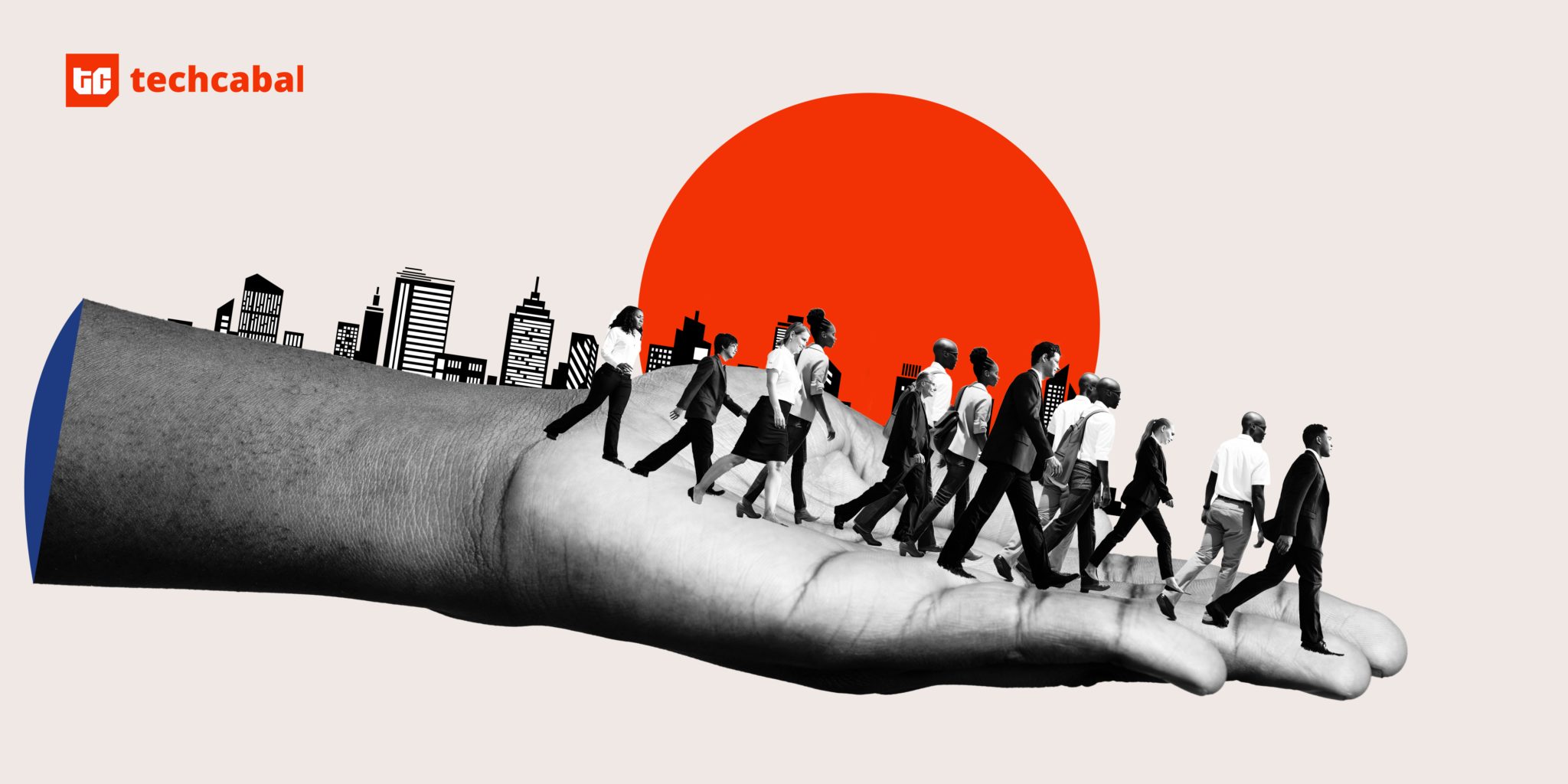
Between January 2023 and March 2026, at least 56 layoff events swept through Africa's tech ecosystem, signaling a major contraction in the sector. This data comes from TechCabal Insights and reflects a broader retrenchment across the continent as companies adjust to market realities and investor pressures. The layoffs have reshaped the African tech workforce and raised concerns about retention of talent and expertise.
Regulatory Credibility as Commercial Asset
Enterprise clients are increasingly differentiating fintech partners not just on features, but on regulatory credibility. Companies that invest early in compliance—before legally required—gain a significant commercial advantage with institutional clients who view minimal compliance as a red flag. This gap between "minimum viable compliance" and genuine regulatory credibility is creating a two-tier fintech market in Africa.
FX Liquidity Startup Emerges
Stabyl, a fintech focused on foreign exchange liquidity, emerged from stealth with a $2.7 million pre-seed investment led by Konga. The startup is designed to simplify access to FX liquidity, addressing a key pain point for African fintech and payment companies operating across borders.

Analysis
The most compelling West African tech story this week is the strategic pivot of Nigeria's fintech leaders from pure-play payments companies into full-fledged banks. This move reflects both ambition and constraint—these companies have built dominant positions in payments infrastructure, but face a $2+ trillion opportunity in deposit-taking and lending that remains largely outside their current licenses. Yet the CBN's restrictive regulatory framework is forcing them to grow slowly and carefully, creating an interesting tension between market opportunity and regulatory guardrails.
What's particularly notable is that this isn't a sign of failure; it's a sign of maturation. Paystack, Flutterwave, and Sycamore are moving because they can, not because they must. They've proven their business models and now seek to expand into higher-margin, higher-trust services. The regulatory credibility premium emerging across the sector suggests that clients—especially institutional ones—are beginning to value compliance and stability as much as innovation and speed.
The concurrent wave of tech layoffs, however, tells a parallel story of consolidation and efficiency. As companies move from growth-at-all-costs phases into profitability and sustainability, workforce reductions become inevitable.
What to Watch
CBN's Evolving Regulatory Framework
Monitor how the Central Bank of Nigeria develops rules for fintech-owned MFBs. The current restrictions may ease as regulators gain confidence in these players, or they may tighten if deposit-taking fintechs face operational challenges. This will directly determine how fast Paystack, Flutterwave, and others can scale their banking operations.
Cross-Border Liquidity Infrastructure
Stabyl's emergence signals growing recognition that FX liquidity is a fundamental bottleneck for pan-African fintech. Watch for similar startups in this space and for whether traditional banks or major fintechs acquire FX liquidity providers to control this critical input.
Talent Retention and Consolidation
With 56+ documented layoff events across Africa's tech sector, watch whether consolidation continues or stabilizes. The sector's health—and ability to retain senior talent—may depend on whether the remaining players can offer compelling equity and growth opportunities.
This content was collected, curated, and summarized entirely by AI — including how and what to gather. It may contain inaccuracies. Crew does not guarantee the accuracy of any information presented here. Always verify facts on your own before acting on them. Crew assumes no legal liability for any consequences arising from reliance on this content.
Powered by
