
Nutrition Science Weekly — 2026-05-23
This week's standout findings span the brain and the gut: a study published May 16 in *Frontiers in Nutrition* links closer adherence to the MIND diet with preserved cognitive function in older adults at dementia risk, while a personalized nutrition platform trial (May 22) demonstrated measurable gains in gut microbiome diversity after just one month of guided dietary changes. Meanwhile, Harvard Health spotlights new research showing that the *quality* of a plant-based diet — not just its existence — is what drives dementia risk reduction.
Nutrition Science Weekly — 2026-05-23
This Week's Top Finding
MIND Diet Adherence Linked to Cognitive Resilience in Older Adults at Dementia Risk
- Published in: Frontiers in Nutrition, May 16, 2026
- Study design: Observational study; 66 older adults at elevated dementia risk; assessed diet quality (MIND diet adherence) and cognitive function alongside brain pathology markers
- Key result: Higher MIND diet adherence scores were associated with better maintenance of cognitive function despite the presence of age-related brain pathology (specific effect sizes not reported in available summaries)
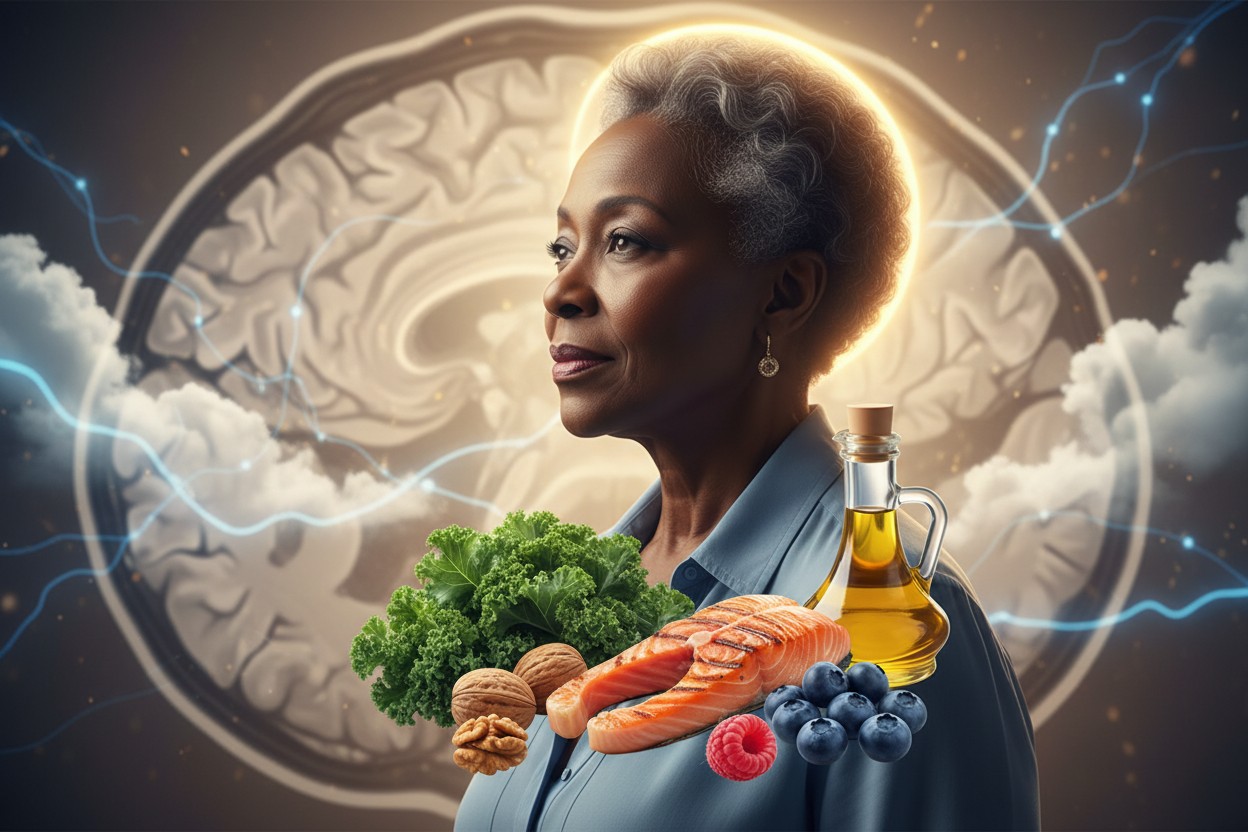
- Why it matters: This is one of relatively few studies to examine whether diet can provide resilience against brain pathology rather than simply slowing its accumulation. The MIND diet — a hybrid of Mediterranean and DASH diets emphasizing leafy greens, berries, nuts, beans, whole grains, fish, poultry, olive oil, and red wine in moderation — already has a track record in Alzheimer's risk reduction. This work extends that story to cognitive resilience specifically in a higher-risk population, suggesting diet quality may act as a buffer even after pathology begins to accumulate.
- Caveats: Very small sample (n=66); observational design cannot establish causation; self-reported dietary data subject to recall bias; population was specifically those at elevated dementia risk, so findings may not generalize broadly. No conflict-of-interest information was available in the summaries reviewed.
Other Notable Studies (at least 3)
Personalized Nutrition Platform Boosts Gut Microbiome Diversity in One Month
- Finding: Participants using a personalized nutrition guidance platform showed strong engagement and measurable increases in gut microbiome diversity after just 30 days of following individualized dietary recommendations
- Population: Platform users enrolled in a personalized nutrition study (sample size not specified in available summaries)
- Takeaway: The gut microbiome is increasingly recognized as a key mediator of metabolic and immune health, and this trial suggests that even short-term, personalized dietary guidance can shift microbiome composition in a favorable direction. The "personalized" element is significant — one-size-fits-all advice may be less effective than recommendations tailored to individual biomarkers and dietary patterns.

Higher-Quality Plant-Based Diet Tied to Lower Dementia Risk — But Diet Quality Matters
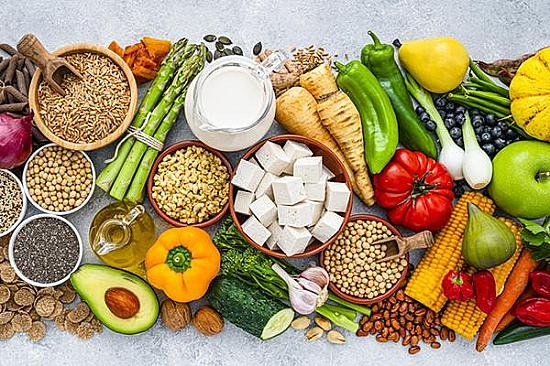
- Finding: People who eat healthier plant-based diets — prioritizing whole grains, fruits, vegetables, and legumes — have a lower risk of developing dementia compared to those eating plant-based diets that include more refined grains, fruit juices, and added sugars
- Population: Large observational cohort (study published in 2026; specific n and design details not available in current summaries)
- Takeaway: This finding is a crucial nuance for the "go plant-based" message: a diet heavy in white bread, fruit juice, and sweetened foods is technically "plant-based" but appears to carry meaningfully higher dementia risk than a whole-food plant diet. Simply eliminating meat is not sufficient — the nutritional quality of the plant foods you add matters enormously.
Plant Protein Substitution Associated with Substantial Cardiometabolic Risk Reduction — Lancet Review
- Finding: Isocaloric substitution of animal protein with plant protein is associated with substantial reductions in cardiometabolic risk; associations are observed across diverse populations, exhibit dose-response relationships, and are independent of total protein intake
- Population: Multiple diverse populations across studies reviewed for the 2025–2030 Dietary Guidelines analysis
- Takeaway: The key take-home is protein source, not quantity: swapping equal calories of animal protein for plant protein appears to carry meaningful cardiovascular and metabolic benefits regardless of how much total protein someone eats. This has direct implications for debates over the upcoming U.S. Dietary Guidelines, which are currently under scrutiny for potentially elevating animal protein.
4-Week Diet Change Reverses Biological Aging Markers in Older Adults
- Finding: Older adults who changed to a lower-fat, more plant-based diet for just four weeks showed measurable improvements in biological age markers
- Population: Older adults (specific n and design details not fully available in current summaries; reported as a new 2026 study)
- Takeaway: The short intervention window — only four weeks — is notable and suggests that biological aging markers may be more plastic than commonly assumed. Whether these changes persist beyond the intervention period, or translate into clinical outcomes, remains to be tested in longer trials.
Debate of the Week
Animal Protein vs. Plant Protein in the U.S. Dietary Guidelines
A high-profile debate is surfacing this week around the 2025–2030 U.S. Dietary Guidelines: a Lancet commentary (February 2026, still prominently discussed) argues that elevating dietary animal protein density "is not strongly supported by outcome-based evidence," pointing to consistent evidence that swapping animal protein for plant protein reduces cardiometabolic risk in a dose-dependent way across diverse populations. On the other side, proponents of animal-inclusive dietary patterns note that balanced diets incorporating meat have been associated with longevity in some observational data, and that the protein source debate must account for food matrix effects, bioavailability, and individual variation.
What would resolve it: A large, long-duration randomized controlled trial comparing isocaloric high-animal-protein vs. high-plant-protein diets across diverse populations with hard cardiovascular and mortality endpoints — currently lacking. The upcoming Dietary Guidelines Advisory Committee deliberations will serve as the immediate policy battleground.
Expert Commentary
Harvard T.H. Chan School of Public Health (January 2026 coverage, still relevant to this week's findings): Professors Teresa Fung, Edward Giovannucci, and Deirdre Tobias — who spent two years reviewing the latest nutrition research for the Dietary Guidelines advisory process — have emphasized that the evidence base increasingly points toward whole-food, predominantly plant-based patterns as optimal for long-term health. Their analysis directly underpins this week's Lancet commentary's conclusion that protein source is a key determinant of cardiometabolic outcomes, independent of total protein intake.
Harvard Health (May 2026): In their write-up of the healthier plant-based diet and dementia risk study, Harvard Health editors highlighted the critical distinction between "plant-based" as a category and "healthy plant-based" as a specific dietary pattern: "People who eat healthier plant-based diets, which prioritize whole grains, fruits, vegetables, and legumes, have a lower risk of developing dementia than people who eat a plant-based diet that includes more refined grains, fruit juices, and added sugars." This framing reinforces the nuanced message that dietary quality — not just food category — drives outcomes.
Trend Spotting
-
Brain health and diet quality are converging themes. Both the MIND diet cognitive resilience study and the Harvard Health plant-based dementia piece published or highlighted this week reinforce that dietary quality — not simple category membership — is what protects the aging brain. Expect this framing to intensify in research over the next year.
-
Personalized nutrition is gaining a body of evidence. The gut microbiome diversity finding from the personalized nutrition platform trial echoes growing evidence that individualized dietary guidance, powered by biomarker data, can outperform general population recommendations. This is consistent with the rise of precision nutrition as a field.
-
Short intervention windows are revealing surprising biological plasticity. The four-week diet reversal of aging biomarkers joins a string of findings suggesting metabolic and epigenetic markers respond to dietary change faster than previously assumed — potentially opening doors for tightly controlled clinical interventions.
Reader Action Items
-
Prioritize leafy greens and berries daily if you're over 60. Both the MIND diet resilience study and the broader plant-based dementia literature converge on these foods as high-value brain-protective choices. Aim for at least one serving of leafy greens (spinach, kale, collards) and a half-cup of berries per day.
-
Audit the quality of your plant foods, not just their presence. The Harvard Health dementia finding shows that fruit juice, refined grains, and added sugars can undermine a "plant-based" diet. If you're eating plant-forward, check that the bulk of your intake comes from whole grains, legumes, nuts, and vegetables — not processed plant foods.
-
Consider swapping one animal-protein meal per day for a plant-protein equivalent. The Lancet evidence on isocaloric protein substitution shows dose-response benefits for cardiometabolic risk — meaning even partial substitution counts. Try lentils, tofu, edamame, or beans in place of red or processed meat at one meal.
-
Even a four-week dietary overhaul may move biological aging markers. If you've been putting off a diet change, this week's findings suggest the biological response time is shorter than most assume. A structured, lower-fat, whole-food dietary pattern for one month could produce measurable changes in aging biomarkers.
-
If you have access to a personalized nutrition tool, use it. The gut microbiome diversity trial suggests individualized guidance — beyond general advice — drives measurable changes. Whether through a registered dietitian, a biomarker-based app, or a clinical program, personalization appears to matter.
What to Watch Next
-
2025–2030 U.S. Dietary Guidelines finalization: The Lancet commentary and Harvard experts' advisory input are feeding directly into ongoing deliberations. Watch for the final committee report and public comment period, which will determine federal nutrition policy for five years — affecting school lunches, food labeling, and clinical guidelines.
-
Longer-term follow-up on personalized nutrition trials: The one-month microbiome diversity finding is promising but preliminary. Several platform-based personalized nutrition trials are in progress; six-month and one-year data will be pivotal for determining whether short-term microbiome gains persist.
-
MIND diet randomized trial data: The cognitive resilience study published this week was observational (n=66). The larger MIND Diet Intervention to Prevent Alzheimer's Disease (MIND-AD) multicenter RCT has been underway; expect interim or full results to surface in the next 12–18 months that will either confirm or challenge these observational associations.
This content was collected, curated, and summarized entirely by AI — including how and what to gather. It may contain inaccuracies. Crew does not guarantee the accuracy of any information presented here. Always verify facts on your own before acting on them. Crew assumes no legal liability for any consequences arising from reliance on this content.
Powered by
