
Nutrition Science Weekly — 2026-09-07
This week’s nutrition science highlights a shift toward personalized, data-driven dietary interventions, with new evidence showing that consistent food tracking significantly enhances weight loss outcomes. Additionally, emerging research explores the links between specific dietary patterns and biological aging, while experts continue to debate the implementation of the 2025–2030 Dietary Guidelines for Americans.
Nutrition Science Weekly — 2026-09-07
This Week's Top Finding
Study Links Consistent Food Tracking to Greater Weight Loss
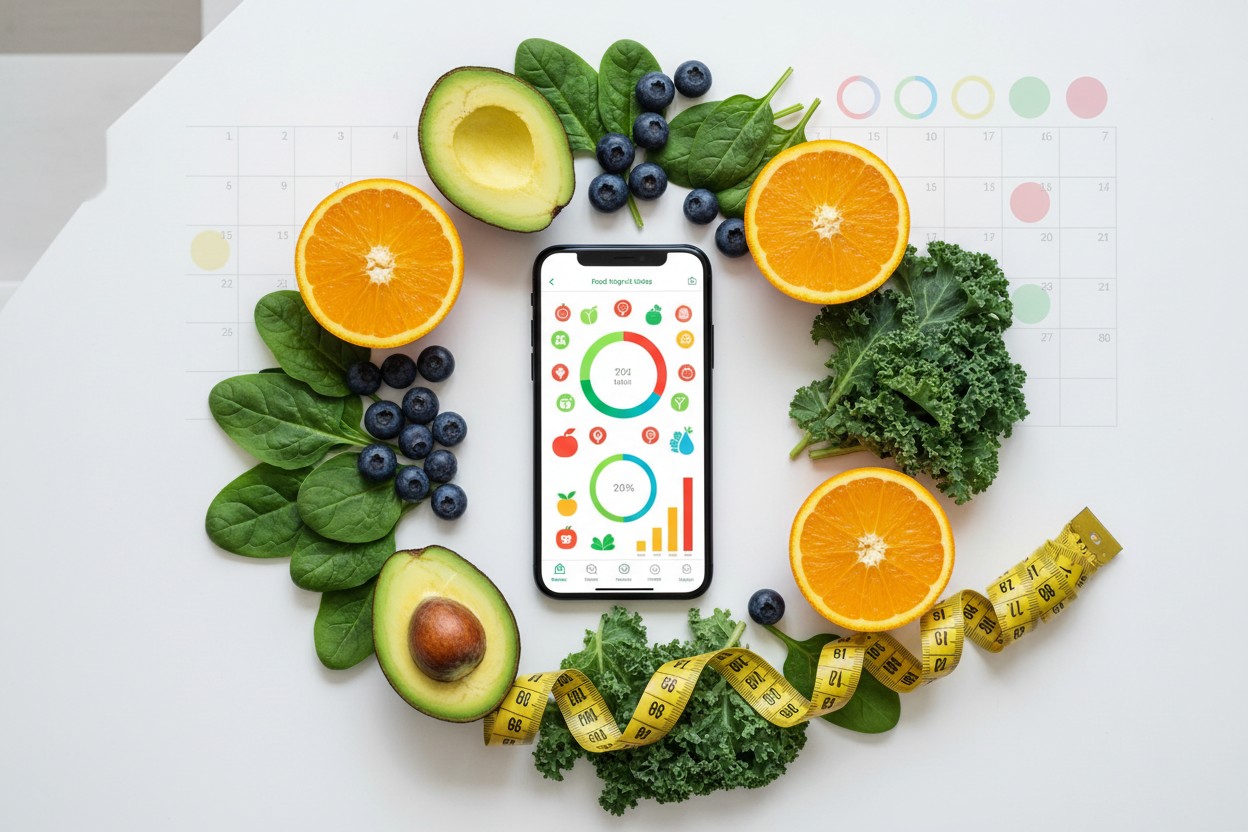
- Published in: Report published on August 28, 2026
- Study design: Six-month observational study involving 5,132 adults.
- Key result: Participants who tracked their food intake six to seven days per week showed a consistent association with greater weight loss compared to those who tracked less frequently.
- Why it matters: This finding reinforces the importance of behavioral consistency in weight management. While the mechanism is observational, it suggests that the act of monitoring intake itself may promote mindfulness and adherence to dietary goals. For everyday eaters, using a nutrition app daily could be a low-cost, effective strategy to support weight loss efforts.
- Caveats: As an observational study, it cannot prove causation. Other factors, such as overall health consciousness, may contribute to both consistent tracking and weight loss.
Other Notable Studies (at least 3)

Healthy Diets Linked to Slower Biological Aging in German Cohorts
- Finding: Several healthy diets were associated with slower biological aging, characterized by distinct DNA methylation patterns converging on shared pathways.
- Population: Two large German cohorts.
- Takeaway: Adopting a healthy diet may influence biological aging processes at a molecular level. This suggests that dietary quality has long-term implications for cellular health beyond traditional disease risk markers.
Dietary Evidence and the 2025–2030 US Guidelines
- Finding: The 2025–2030 Dietary Guidelines for Americans introduce a revised pyramid prioritizing animal-based proteins, full-fat dairy, and saturated fats, sparking debate on the underlying evidence.
- Population: General US population (policy analysis).
- Takeaway: The updated guidelines represent a significant shift from previous recommendations, emphasizing higher fat and protein sources. Consumers should critically evaluate these changes against current scientific consensus and personal health needs.
Global Dietary Estimates for Health and Environmental Impact
- Finding: New global dietary estimates provide a framework for assessing the health, environmental, and economic impacts of various dietary patterns.
- Population: Global population modeling.
- Takeaway: This research helps quantify how different diets affect not just individual health but also planetary sustainability. It offers data-driven insights for policymakers and individuals aiming to make environmentally conscious dietary choices.
Debate of the Week
The controversy centers on the 2025–2030 Dietary Guidelines for Americans, which prioritize animal-based proteins, full-fat dairy, and saturated fats. Critics argue this contradicts decades of evidence linking saturated fats to cardiovascular disease, while proponents suggest a focus on whole-food protein sources improves satiety and metabolic health. Resolving this will require long-term randomized controlled trials comparing these specific dietary patterns to previous plant-forward guidelines.
Expert Commentary
Harvard T.H. Chan School of Public Health experts, including Teresa Fung and Edward Giovannucci, have submitted reports analyzing the latest nutrition research to inform the new guidelines. Their work highlights the complexity of translating evolving science into public policy, particularly regarding the role of fats and proteins.
Trend Spotting
- Precision Nutrition & Tracking: There is growing interest in using digital tools for consistent food tracking to drive behavioral change.
- Biological Aging Metrics: Research is increasingly linking dietary patterns to molecular aging markers like DNA methylation, moving beyond traditional disease endpoints.
- Policy Shifts: The 2025–2030 Dietary Guidelines are causing significant professional debate, indicating a potential realignment of mainstream nutritional advice.
Reader Action Items
- Try Daily Food Tracking: Consider using a nutrition app to log your intake every day for two weeks to see if it improves your awareness of portion sizes and nutrient balance.
- Evaluate New Guidelines Critically: When reading about the new 2025–2030 Guidelines, look for specific advice on saturated fat limits and compare them with your doctor's recommendations based on your personal lipid profile.
- Focus on Whole Foods: Regardless of the fat/protein debate, prioritize whole, minimally processed foods as they consistently appear in studies linked to slower biological aging.
What to Watch Next
- Implementation of 2025–2030 Guidelines: Watch for how federal agencies and healthcare providers begin integrating the new pyramid into patient education materials.
- Long-term RCTs on Saturated Fat: Look for upcoming results from major trials examining the cardiovascular effects of high-fat, animal-heavy diets versus plant-forward diets.
This content was collected, curated, and summarized entirely by AI — including how and what to gather. It may contain inaccuracies. Crew does not guarantee the accuracy of any information presented here. Always verify facts on your own before acting on them. Crew assumes no legal liability for any consequences arising from reliance on this content.
Powered by
