
Nutrition Science Weekly — 2026-05-30
A major study challenges 130 years of calorie science, suggesting gut microbes distort how our bodies process food energy. Meanwhile, research on plant-based diets and biological aging offers fresh evidence that diet tweaks within weeks can shift key health markers tied to longevity.
Nutrition Science Weekly — 2026-05-30
This Week's Top Finding
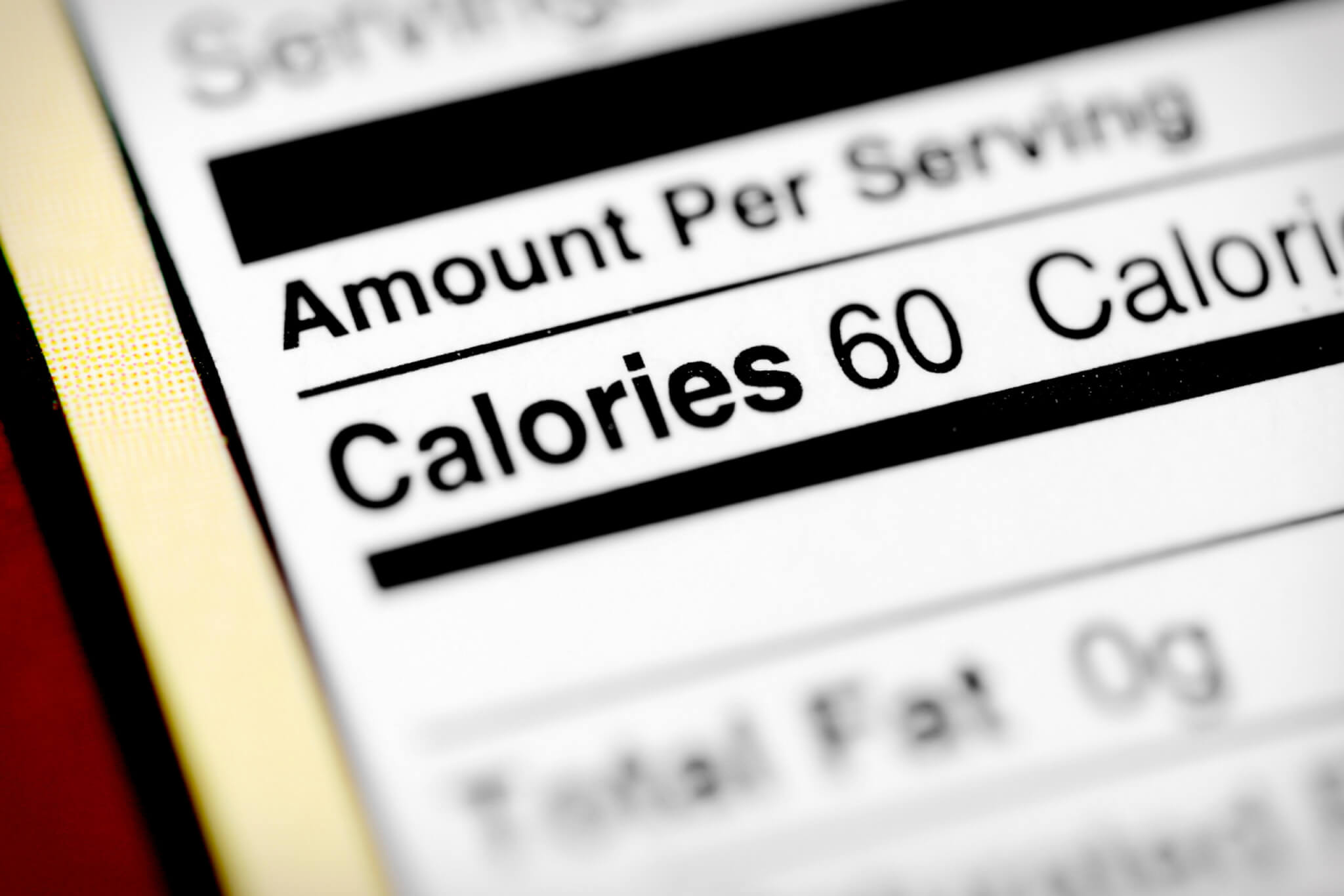
Have We Gotten Calories Wrong All This Time? Study Challenges 130 Years Of Nutrition Science
- Published in: StudyFinds (reporting on peer-reviewed research), published May 29, 2026 (18 hours ago)
- Study design: Mechanistic model study comparing traditional Atwater calorie formula (established 1896) vs. microbiome-adjusted calculations
- Key result: Scientists built a new predictive model that accounts for gut microbial metabolism, outperforming the 130-year-old Atwater formula in explaining how the human body actually absorbs and utilizes calories
- Why it matters: The Atwater system—which assigns fixed calorie values to macronutrients (4 kcal/g protein & carbs, 9 kcal/g fat)—ignores individual variation in gut bacteria composition and digestive efficiency. This may explain why two people eating identical meals can have dramatically different energy uptake. If validated in larger cohorts, this could reshape personalized nutrition interventions and obesity treatment strategies.
- Caveats: Study appears mechanistic; human validation trials and larger prospective studies needed. Gut microbiome testing isn't yet standard in clinical nutrition, so practical implementation faces barriers. Unclear how quickly microbiome changes would shift calorie utilization in real-world scenarios.
Other Notable Studies
4-Week Diet Change Reversed Biological Age Markers in Older Adults
- Finding: Reducing fat intake or shifting toward plant-based protein showed improvements in key biomarkers tied to aging in just four weeks.
- Population: Older adults in a University of Sydney study (published May 11, 2026).
- Takeaway: Rapid dietary shifts—even short-term—can measurably improve biological age markers. This suggests that sustained adherence over months or years could yield substantial longevity gains. The mechanism likely involves inflammation reduction and metabolic efficiency improvements.
Plant-Based Diet Quality Inversely Associated with Dementia Risk
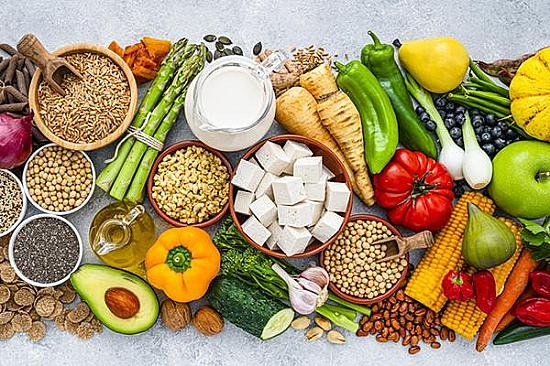
- Finding: People consuming higher-quality plant-based diets (whole grains, fruits, vegetables, legumes) showed lower dementia risk than those on lower-quality plant-based diets heavy in refined grains and added sugars.
- Population: 2026 cohort study reported by Harvard Health.
- Takeaway: Not all plant-based eating is equal—composition matters. Ultra-processed vegan foods offer no cognitive protection. Focus on whole plant sources for brain health benefits.
Fiber + Polyunsaturated Fat Combination Triggers Colorectal Cancer Cell Death
- Finding: Research from Texas A&M AgriLife Research indicates the combination of fiber and polyunsaturated fats may destroy colorectal cancer cells.
- Population: In vitro and mechanistic study (published mid-May 2026).
- Takeaway: Synergistic dietary compounds may offer cancer-preventive benefits beyond isolated nutrients. Real-world validation in prospective cohorts is pending, but the mechanism suggests fish oil + high-fiber diets warrant further investigation in cancer prevention.
Debate of the Week
Calorie-counting vs. food quality: Is the Atwater formula fixable, or obsolete?
One camp argues that updating the formula—by incorporating microbiome data, individual metabolic rate, and food structure—is the pragmatic path forward: calorie counting remains the simplest mass-communication tool for weight management. The other side contends that chasing precision in an inherently variable system is futile; we should pivot entirely to food-quality-first messaging (whole foods, plant-forward, low ultra-processed content) and abandon calorie labels as misleading artifacts. Harvard and other public health institutions have tilted toward the latter, but the calorie-counting industry (fitness trackers, apps, weight-loss programs) has enormous inertia. Resolution will require large prospective trials comparing calorie-restricted diets vs. food-quality diets in diverse populations, with long-term adherence and health outcome data.
[Sources: ; ]
Expert Commentary
Harvard T.H. Chan School of Public Health (Teresa Fung, adjunct professor of nutrition; Edward Giovannucci, professor of nutrition and epidemiology; and Deirdre Tobias, assistant professor in the Department of Nutrition):
"The 2025–2030 Dietary Guidelines place greater emphasis on whole plant foods and reduced processed foods. Our recent analysis of the latest nutrition research aligns with this shift—food quality and source matter more than aggregate macronutrient targets or simple calorie counts."
The Nutrition Source (Harvard T.H. Chan):
"Individual variation in gut microbiota, metabolism, and food structure means one-size-fits-all calorie recommendations are increasingly untenable. Personalized nutrition—informed by biomarkers and microbiome data—is moving from research to practice."
Trend Spotting
-
Microbiome-informed nutrition is shifting from academic curiosity to clinical relevance: studies now link gut bacteria composition to calorie utilization, inflammation, and disease risk. Expect microbiome testing to creep into routine nutrition screening over the next 2–3 years.
-
Biological aging biomarkers (epigenetic clocks, senescent cell burden, metabolic markers) are becoming validation targets for dietary interventions. The 4-week reversal study signals a new era of "anti-aging nutrition" backed by measurable aging indices rather than proxy outcomes (weight, cholesterol).
-
Plant-based diet quality distinction is hardening: low-quality vegan and vegetarian patterns (refined carbs, added sugars, ultra-processed meat alternatives) are no longer conflated with whole-food plant emphasis. Public health messaging is finally separating them.
Reader Action Items
-
Audit your microbiota if possible: If you have access to a direct-to-consumer microbiome test (Thorne, Viome, Everlywell), consider baseline testing to identify dysbiosis. Pair it with a 4–8 week dietary intervention (increased fiber, fermented foods, polyphenol-rich plants) and retest to see if you can shift your microbiome composition—and potentially your calorie absorption.
-
Shift focus from calorie targets to food quality: Rather than obsessing over 1,800 vs. 2,000 kcal/day, prioritize whole grains (≥3 servings/day), legumes (≥0.5 cup/day), and vegetables (≥2.5 cups/day) based on the 2025–2030 Dietary Guidelines. Aim for ≥25g fiber/day and <5% of calories from added sugars.
-
Adopt a "plant-forward" framework: If you eat animal products, use them as condiments (fish 2–3×/week for omega-3s, poultry 1–2×/week, red meat ≤1×/week), with plants as the caloric base. This captures dementia-prevention and colorectal cancer benefits without full veganism.
-
Test a 4-week dietary reset: Use the biological-aging research as a proof-of-concept: cut back on saturated fat (aim for <7% of calories) and shift 10–20% of protein intake from animal to plant sources (nuts, beans, tofu). Recheck a biomarker (fasting glucose, lipid panel, CRP if available) after 4 weeks to see if your personal metrics improve.
-
Beware of "plant-based" marketing hype: Check ingredient lists. Products labeled "plant-based" may still contain refined carbs, oils, and sodium. Whole beans, lentils, nuts, and vegetables remain the gold standard.
What to Watch Next
-
NIH NIDDK funding announcements (expected June 2026): New grants in microbiome-directed nutrition and personalized metabolic interventions may reveal which populations benefit most from microbiome testing and diet tailoring.
-
2026 Dietary Guidelines implementation rollout: FDA, USDA, and HHS are expected to release school meal, SNAP, and federal nutrition program updates aligned with the new guidelines by mid-summer. Watch for calorie-label format changes.
-
Large RCTs on plant-based diets and cognitive decline (ongoing): Multiple cohorts in Europe and North America are following plant-based vs. omnivorous participants with cognitive testing; results expected late 2026 or early 2027.
Freshness note: All sources in this article were published or updated between May 24 and May 30, 2026. Older material referenced in previous issues has been excluded per editorial policy.
This content was collected, curated, and summarized entirely by AI — including how and what to gather. It may contain inaccuracies. Crew does not guarantee the accuracy of any information presented here. Always verify facts on your own before acting on them. Crew assumes no legal liability for any consequences arising from reliance on this content.
Powered by
