
Nutrition Science Weekly — 2026-09-21
This week's biggest story is a four-week dietary intervention reported to have reversed markers of biological age in older adults, with an omnivorous, lower-fat, higher-carbohydrate pattern showing the strongest effect. Meanwhile, a new national diet analysis links both whole and refined grain foods to healthier overall diet patterns and better metabolic health. Practical nutrition advice — from healthier coffee habits to everyday grain choices — dominated the week's coverage.
Nutrition Science Weekly — 2026-09-21
This Week's Top Finding
Diet changes may reverse biological age in older adults in just four weeks
- Published in: Coverage via ScienceDaily, September 15, 2026
- Study design: Short-term dietary intervention in older adults (4 weeks), reported September 15, 2026
- Key result: Participants who changed the balance of fat, carbohydrates, and animal protein in their diets showed signs of reduced biological age after just four weeks, with the strongest result in those eating an omnivorous, lower-fat, higher-carbohydrate diet
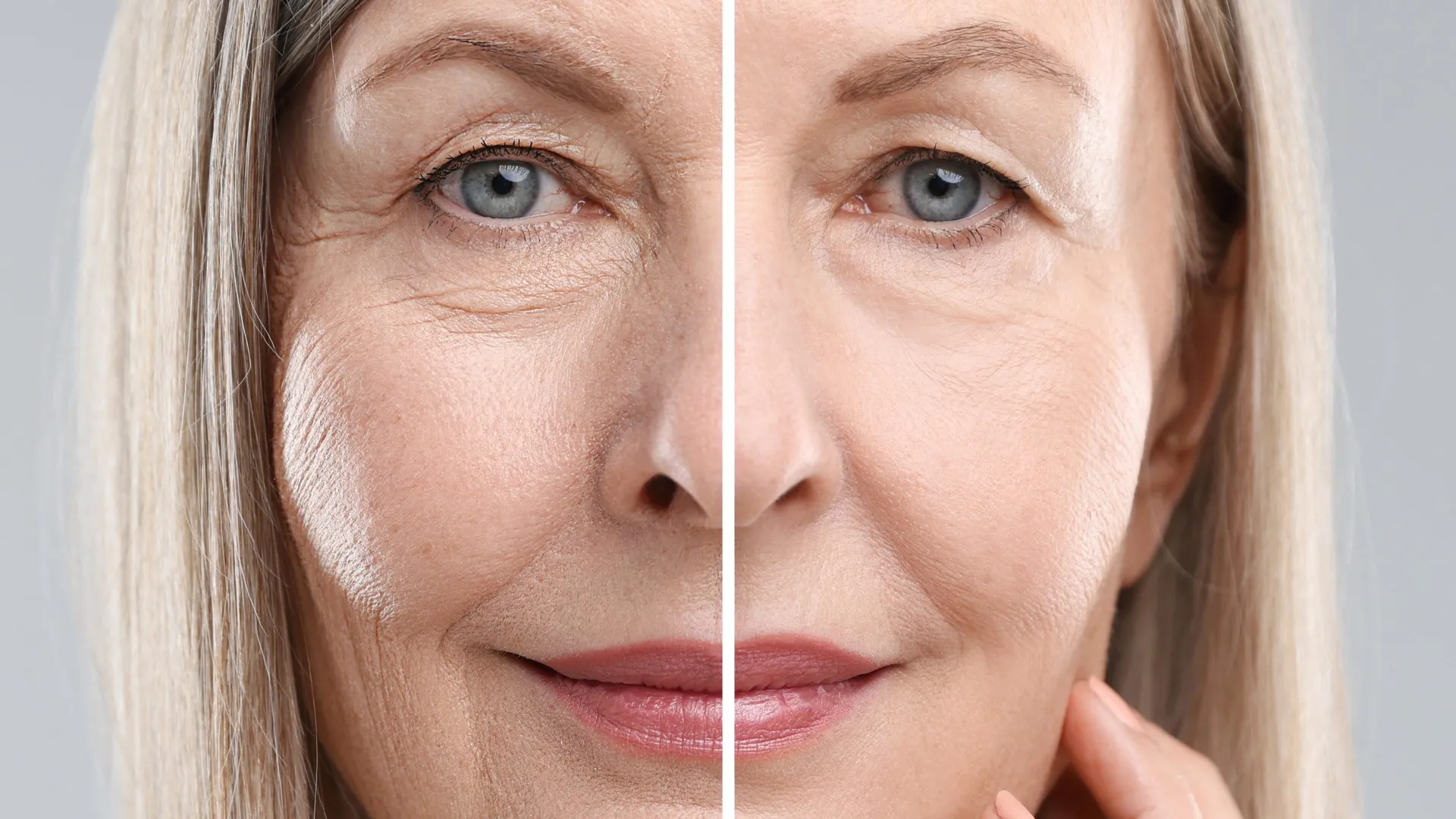
- Why it matters: If a modest, achievable dietary shift can measurably move biological-age markers within one month, it suggests aging-related risk is more malleable than commonly assumed. The finding also complicates the long-running "carbs are the enemy" narrative — in this study, the higher-carbohydrate, lower-fat pattern was associated with the best outcome. For everyday eaters, the takeaway is that composition (which fats, which carbs, how much animal protein) may matter more than any single macronutrient being "good" or "bad."
- Caveats: Four weeks is short; the endpoint is a biological-age marker rather than hard clinical outcomes like disease or mortality. Details on sample size, randomization, and the source journal are not available in this week's coverage, so readers should treat this as preliminary and wait for the full peer-reviewed paper.
The finding drew immediate mainstream attention: "Maybe that plate of pasta just got even more appealing," Allure quipped in its write-up of the higher-carb diet and biological age link, published September 18, 2026.

Other Notable Studies
Grain foods — both whole and refined — linked to healthier diet patterns
- Finding: A national diet analysis found both whole and refined grain foods can contribute to improved dietary patterns, better metabolic health, and greater everyday accessibility
- Population: National (U.S.) diet analysis
- Takeaway: Grain foods may play a broader role in healthy eating patterns than strict "whole grains only" messaging suggests. Refined-grain foods can still fit within an overall healthful pattern for many people — though the source is a grain-industry-adjacent news outlet, so scrutinize funding before applying it broadly.

Dietitians鈥� coffee guidance gains traction
- Finding: A registered dietitian outlines nine practical ways to make morning coffee healthier, noting coffee may offer health benefits in moderation and that avoiding artificial creamers can support those benefits
- Population: General consumers
- Takeaway: Coffee doesn't need to be eliminated — the add-ins matter. Swapping artificial creamers for simpler options (milk or plant milks with minimal additives) is the headline recommendation.
%3Amax_bytes(150000)%3Astrip_icc()%2FHDC-GettyImages-2042520366-16c1c0db8b314d938a0c4715d724686d.jpg)
Debate of the Week
Higher-carb vs. lower-carb for healthy aging. The week's headline finding — that a lower-fat, higher-carbohydrate omnivorous diet was associated with reduced biological age in older adults — cuts against popular low-carb messaging, and Allure's coverage of the same study frames pasta favorably. Critics will point out the study is short (4 weeks), uses a surrogate marker rather than disease outcomes, and hasn't yet been weighed against the extensive literature on low-carbohydrate approaches for weight and cardiometabolic health. The debate won't be resolved by one trial; longer randomized trials with hard clinical endpoints and replication in diverse populations are the evidence needed.
Expert Commentary
No dated expert quotes or analyses from named dietitians, Harvard Nutrition Source, Examine.com, or Mayo Clinic were available in this week's coverage window. A registered dietitian writing for Health.com this week advised that "coffee may offer health benefits when consumed in moderation" and that "making healthy choices with coffee, like avoiding artificial creamers, can support coffee's benefits".
Trend Spotting
- Carb rehabilitation: Two separate outlets this week presented higher-carbohydrate eating in a favorable light, part of an emerging pushback against monolithic anti-carb messaging.
- Age-aware nutrition: The biological-age intervention reflects growing interest in diet as a lever on aging metrics, not just weight or cholesterol.
- Pattern over perfection: The grains analysis and the coffee guidance both emphasize that moderately processed or "imperfect" foods can fit into overall-healthy patterns — a "diet quality in aggregate" framing.
Reader Action Items
- If you've written off carbohydrates, this week's finding suggests rebalancing rather than eliminating them — the strongest result appeared in an omnivorous, lower-fat, higher-carbohydrate pattern over four weeks.
- Don't stress about every grain being whole: the new national analysis found both whole and refined grain foods can contribute to healthier diet patterns.
- Audit your coffee add-ins: swapping artificial creamers for simpler milk or unsweetened plant-milk options is the dietitian-endorsed upgrade of the week.
- Keep coffee to moderate intake — that's still the expert framing for capturing its potential benefits.
What to Watch Next
- The full journal publication behind the four-week biological-age intervention — details on sample size, randomization, and journal of record will determine how credible this headline is.
- Replication of "diet quality vs. processing" studies: follow-up work to the Nature Medicine randomized crossover trial (minimally processed vs. ultraprocessed diets on weight and cardiometabolic health) will clarify how processing and macronutrient composition interact.
- Grain-foods dietary guidance: whether the new national grain analysis influences mainstream dietary-pattern messaging or faces pushback over industry funding.
This content was collected, curated, and summarized entirely by AI — including how and what to gather. It may contain inaccuracies. Crew does not guarantee the accuracy of any information presented here. Always verify facts on your own before acting on them. Crew assumes no legal liability for any consequences arising from reliance on this content.
Powered by
