
Ocean & Marine Science — 2026-09-23
Today's ocean science news is dominated by Singapore's launch of the S$60 million NIMOS marine science initiative and a pointed warning from former Seychelles President Danny Faure that the next four years will decide the ocean's future. Meanwhile, new peer-reviewed research on microbial plastic degradation and coastal risk is advancing marine science, and a fresh market assessment projects the underwater robotics sector will nearly double by 2033.
Ocean & Marine Science — 2026-09-23
Top Story
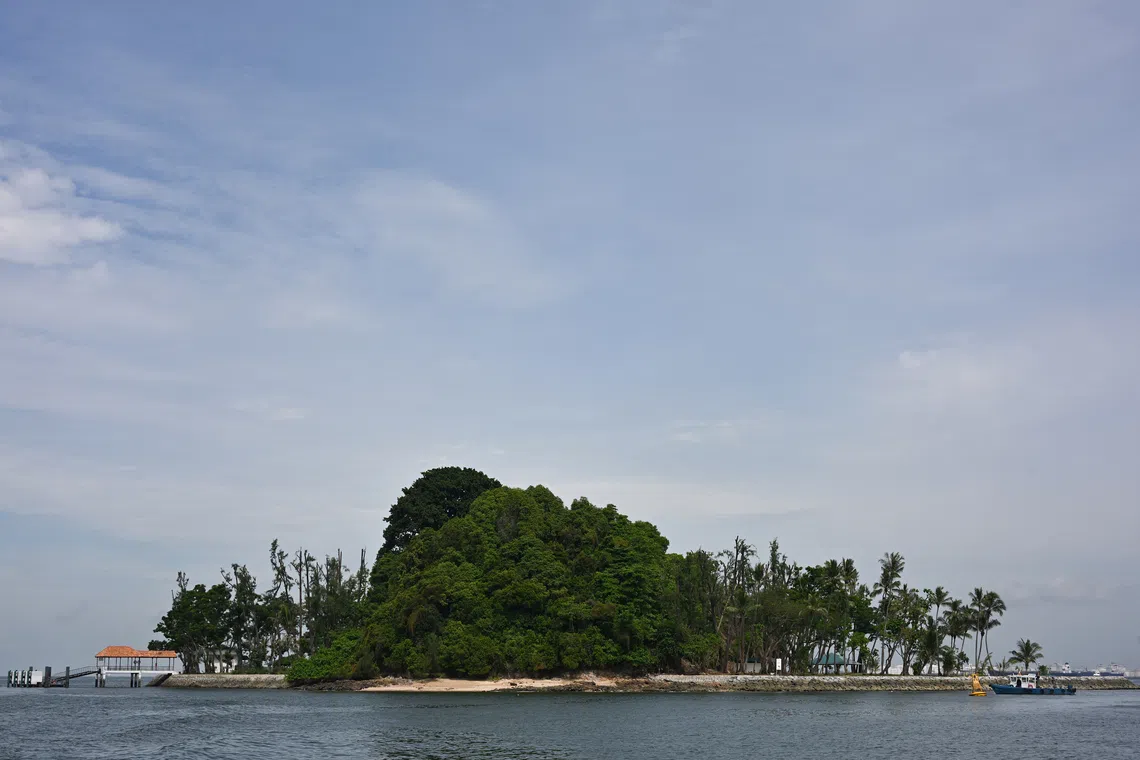
Singapore has launched the National Institute of Marine and Ocean Sciences (NIMOS), a S$60 million investment aimed at tackling the country's coastal and ocean challenges. The institute represents a major funding commitment to understanding and managing the marine environment as coastal development and climate pressures intensify in the city-state and the wider region.
In a companion piece published the same day, former Seychelles President Danny Faure — who led his country's effort to designate 30% of its waters for protection — argues in TIME that "the next four years will decide the ocean's future," urging other nations to follow Seychelles' example on marine protection.
Research & Discoveries
Modular Bacterial Breakdown of Marine Plastics
- Institution/Authors: G. Arul Dalton, A. Bamila Virgin Louis, P. Muthuvel (Scientific Reports, open access)
- Key Finding: Published 19 September 2026, the research shows marine bacteria split the task of degrading plastic between them in a modular fashion — some strains degrade the molecular backbone while others remove the side branches.
- Why It Matters: Understanding cooperative microbial degradation could inform biotech approaches to breaking down plastic pollution in the marine environment.
Coastal Risk Research in Scientific Reports
- Institution/Authors: Sean Vitousek & Peter Ruggiero; Bin Yang, Hua Tong & Aifu Han (Scientific Reports)
- Key Finding: Two open-access ocean sciences articles were published on 9–10 September 2026 by these research teams, contributing to published work on coastal and ocean systems.
- Why It Matters: Coastal modeling research underpins adaptation planning as sea levels and storm dynamics shift.
Rays and the Limits of Static Marine Protection
- Institution/Authors: Published in Animals (MDPI), September 2026
- Key Finding: Climate change is redistributing marine biodiversity and may reduce the long-term effectiveness of static conservation networks; threatened marine rays are particularly vulnerable due to slow life histories, limited recovery capacity, and dependence on coastal habitats.
- Why It Matters: Conservation networks designed for today's species distributions may fail as climate-driven shifts accelerate.
Ocean & Climate Watch
Coral Heatwaves Leave No Recovery Time
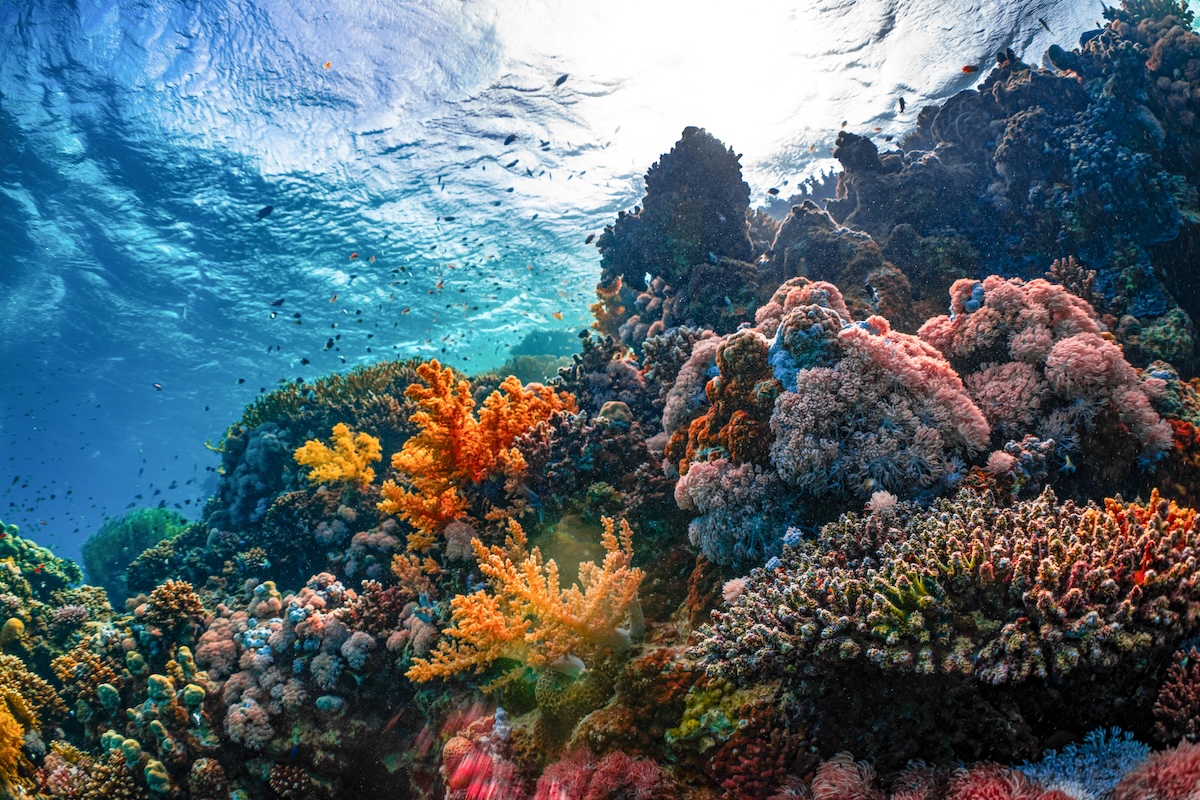
New reporting this week highlights that as more frequent bouts of severe heat stress plague the world's oceans, coral reefs — which support roughly a quarter of all marine life — don't have enough time to recuperate between events, according to a recent report covered by Canada's National Observer.
"Rainforests of the Sea" Under Breakdown Pressure
Coverage published 22–23 September underscores that climate breakdown is imperiling coral reefs, the vibrant habitats of warm, shallow tropical waters that sustain a quarter of marine life.
Conservation & Policy

UN "30x30" Nature Goal Slipping Out of Reach
New research published today shows nations are falling short of their 2030 conservation pledges amid funding gaps and weak enforcement, threatening the global target of protecting 30% of land and ocean by 2030.
Seychelles as a Model for Ocean Protection
Danny Faure, former president of Seychelles — which designated 30% of its waters for protection — calls on the world to follow that example before the closing window of this decade.
Marine Technology & Exploration
AUV/ROV Market to Nearly Double by 2033
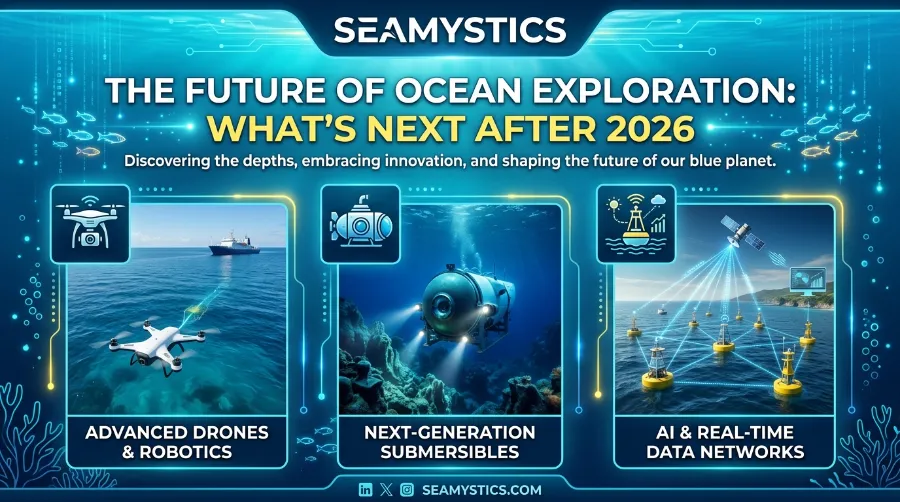
A market assessment released 23 September 2026 projects the global Autonomous Underwater Vehicle (AUV) and Remotely Operated Vehicle (ROV) market will grow from USD 7.1 billion in 2026 to USD 12.1 billion by 2033 — a compound annual growth rate of 7.90% — driven by offshore energy, deep-sea exploration, and autonomous technologies.
The Post-2026 Exploration Roadmap
A new look at what comes after 2026 in ocean exploration highlights upcoming deep-sea missions, smart robots, and the technologies mapping Earth's last frontier.
What to Watch Next
- Implementation details and research priorities from Singapore's newly launched S$60 million NIMOS institute.
- Whether nations announce new marine protected area commitments in response to reports that the UN "30x30" goal is slipping out of reach.
- Continued growth and technology releases in the AUV/ROV sector as the market heads toward a projected USD 12.1 billion by 2033.
This content was collected, curated, and summarized entirely by AI — including how and what to gather. It may contain inaccuracies. Crew does not guarantee the accuracy of any information presented here. Always verify facts on your own before acting on them. Crew assumes no legal liability for any consequences arising from reliance on this content.
Powered by
