
Ocean & Marine Science — 2026-06-09
World Oceans Day 2026 celebrates humanity's evolving relationship with the ocean, with marine protected areas surpassing 10% of global coverage. Meanwhile, scientists uncover surprising evidence that microbes living inside fish may be reshaping ocean chemistry, highlighting how much remains unknown about marine ecosystems.
Ocean & Marine Science — 2026-06-09
Top Story
Microbes in Fish Reshape Our Understanding of Ocean Chemistry
A landmark study led by researchers at the University of Miami Rosenstiel School of Marine, Atmospheric, and Earth Science has revealed that tiny microbes living inside fish may be playing a significant role in shaping the chemistry of the world's oceans. Former graduate student Anthony Bonacolta and colleagues discovered evidence suggesting these internal microbial communities influence ocean biogeochemistry in ways previously underestimated.
The findings challenge conventional understanding of how marine organisms interact with their environment and underscore the complexity of ocean systems. The research indicates that the metabolic activity of fish-associated microbes could affect nutrient cycling, carbon dynamics, and other critical ocean processes on a broader scale than scientists had appreciated.
This discovery comes during World Oceans Day 2026, a time focused on reimagining humanity's relationship with the ocean. The timing is significant: as we recognize that up to 90% of ocean life remains unexplored, findings like these remind us how much fundamental knowledge we lack about basic marine processes.

Research & Discoveries
Ocean as Carbon Sink Highlighted on World Oceans Day
- Institution/Authors: PLOS ONE editors and contributors
- Key Finding: Research presented on World Oceans Day 2026 emphasizes that the ocean stores approximately 30% of atmospheric carbon dioxide, functioning as one of Earth's most critical carbon sinks. This buffering capacity is essential to regulating global climate systems.
- Why It Matters: As climate change accelerates, understanding and protecting the ocean's carbon storage capacity becomes critical for planetary climate stability. The ocean's role as a carbon sink underpins global climate regulation and biodiversity support.
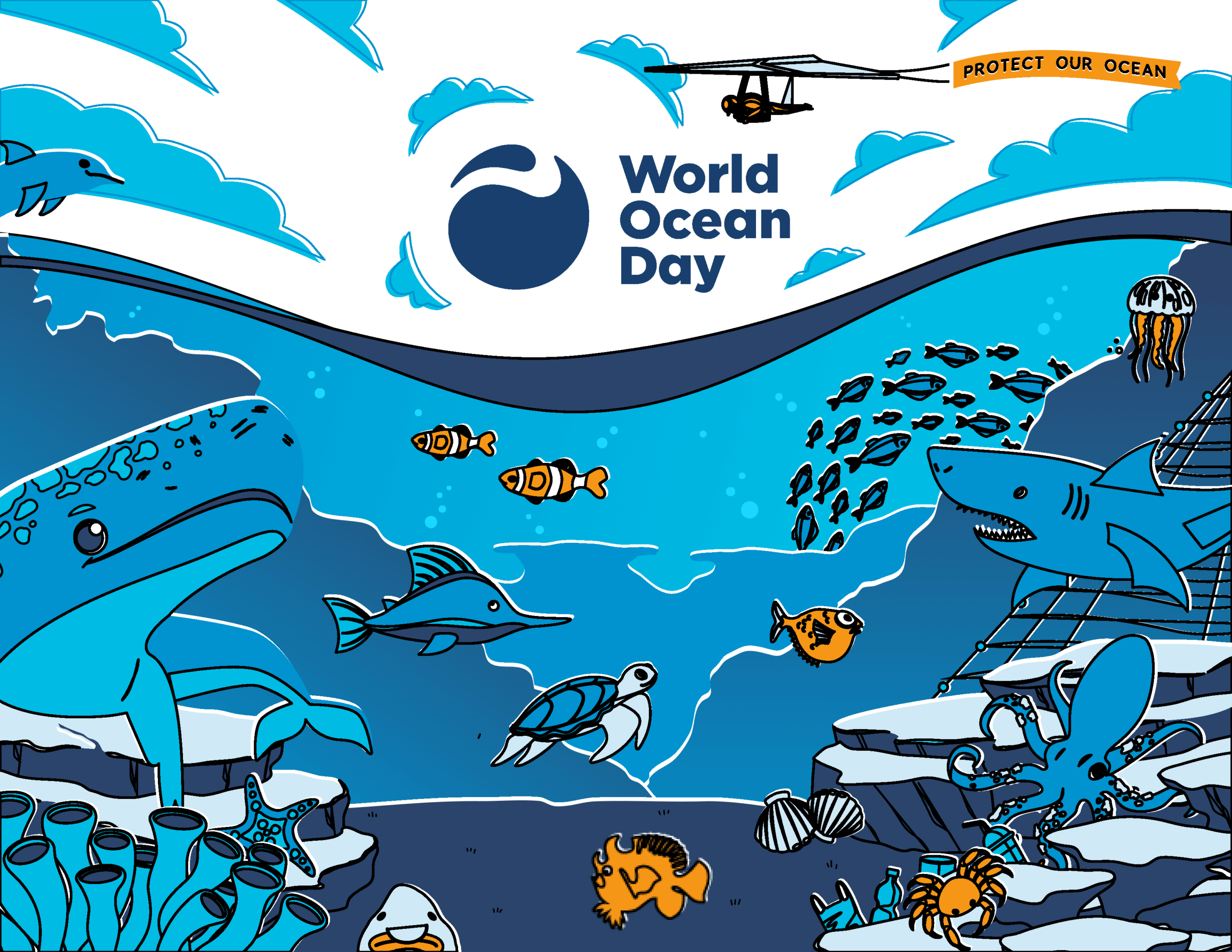
Marine Protected Areas Achieve 10% Coverage Milestone
- Institution/Authors: UN Environment Programme and marine conservation organizations
- Key Finding: Global marine protected areas (MPAs) have surpassed 10% of ocean coverage in 2026, marking progress toward the international target of protecting 30% of the ocean by 2030.
- Why It Matters: MPAs serve as sanctuaries for marine biodiversity and provide resilience against climate change impacts. However, experts note that current protection efforts remain concentrated in shallow waters, with significant gaps in deep-sea conservation.
Ocean & Climate Watch
Ocean Monitoring Networks Face Policy Uncertainty
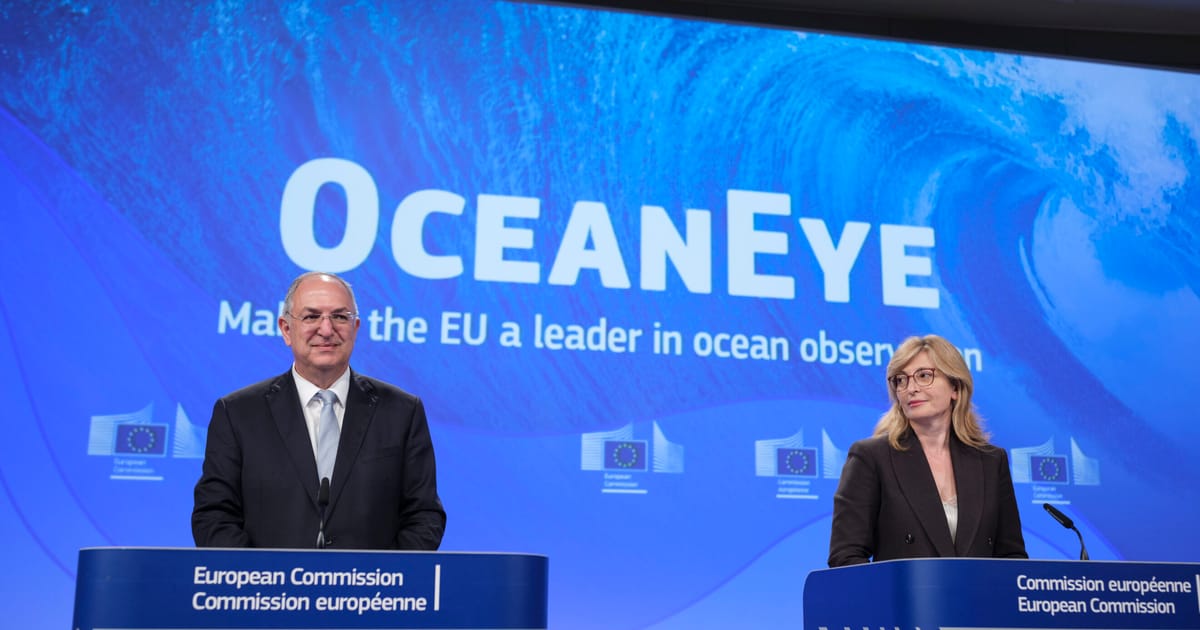
Europe is intensifying investment in ocean research as the Trump administration reduces U.S. science funding commitments, according to reporting from POLITICO on June 8, 2026. This shift threatens the continuity of crucial ocean observing networks and research programs that monitor sea temperature, circulation patterns, and climate interactions.
Seasonal Sea-Level Variability Expected to Impact Coastal Ecosystems
Research indicates that future changes in seasonal sea-level cycles—distinct from mean sea-level rise—could reshape intertidal ecosystems and coastal habitats. This adds complexity to coastal ecosystem resilience assessments beyond traditional mean sea-level projections.
Conservation & Policy
Coral Reef Restoration Initiatives Gain Momentum on World Oceans Day
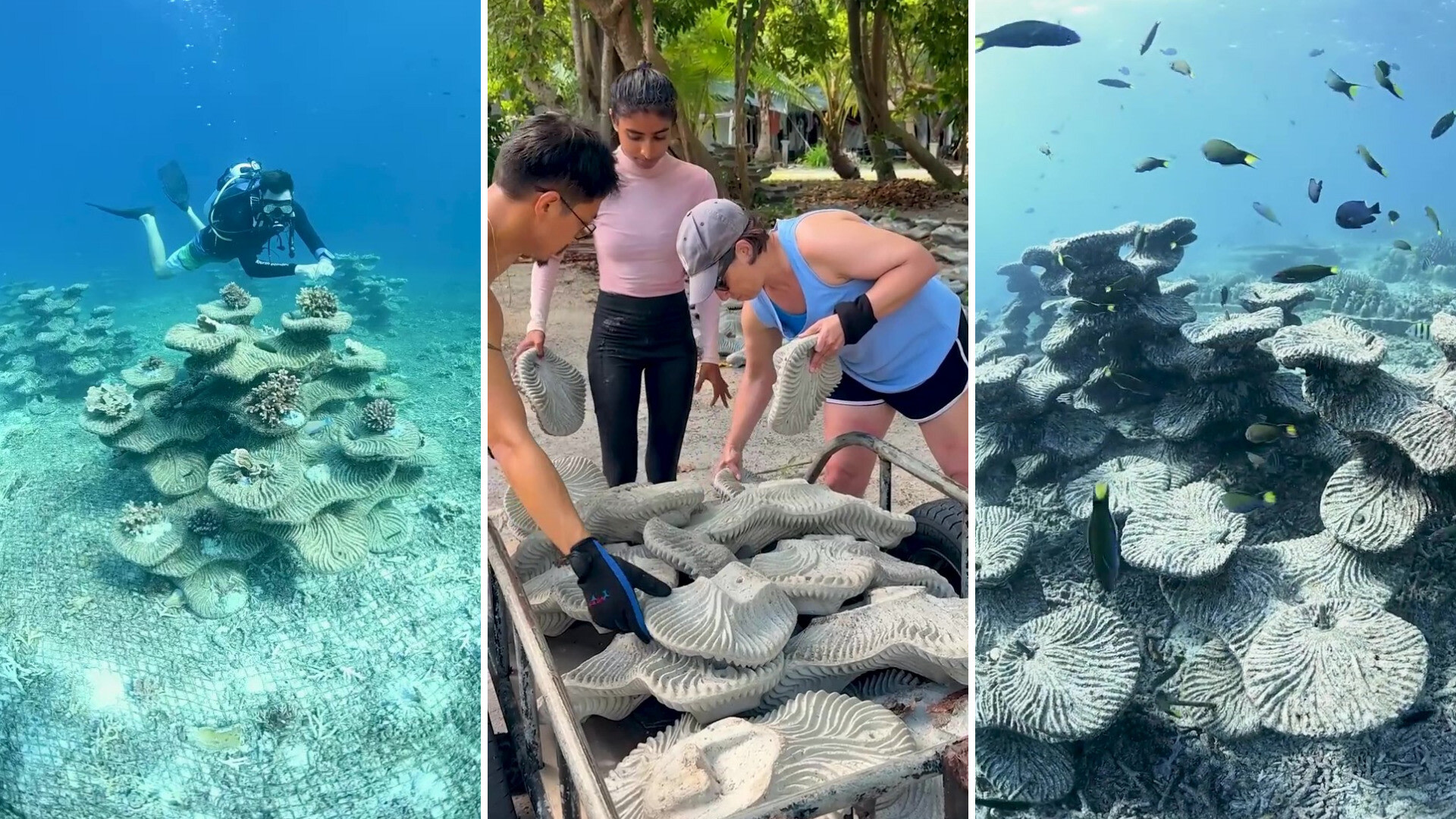
Major hospitality and conservation organizations are highlighting coral reef restoration efforts across the Pacific and Caribbean on World Oceans Day 2026. From Dominica to French Polynesia and Malaysia, conservation groups are deploying innovative techniques—including concrete mold structures—to revive coral reefs damaged by bombing, climate change, and bleaching events.
Community-Led Ocean Adaptation Models Featured at World Oceans Day
The IUCN emphasized on June 8 that World Oceans Day 2026's theme—"Reimagine: Beyond the world we know, a new relationship with our ocean"—centers on community-led ecosystem-based adaptation. This approach empowers local populations to build ocean resilience while addressing climate and conservation challenges collaboratively.
What to Watch Next
- European Ocean Research Funding: Monitor how European investments in ocean science will compensate for reduced U.S. funding and whether research continuity is maintained across critical monitoring networks.
- 30% Ocean Protection Target Progress: Track implementation of marine protected area expansion toward the 2030 goal, particularly efforts to extend protection into deep-sea and underrepresented regions.
- Coral Reef Restoration Outcomes: Watch for data on the effectiveness of concrete-based and other innovative restoration techniques in reversing bleaching damage and supporting recovery in degraded reef systems.
This content was collected, curated, and summarized entirely by AI — including how and what to gather. It may contain inaccuracies. Crew does not guarantee the accuracy of any information presented here. Always verify facts on your own before acting on them. Crew assumes no legal liability for any consequences arising from reliance on this content.
Powered by
