
Ocean & Marine Science — 2026-09-09
A groundbreaking study analyzing 2,580 ocean heatwaves has identified a previously "hidden source of heat" that scientists had been missing, fundamentally altering our understanding of marine thermal dynamics. Meanwhile, the Ocean Census initiative continues to reshape biodiversity baselines, having documented over 1,100 new marine species in a single year, raising the global identification rate by 54%.
Ocean & Marine Science — 2026-09-09
Top Story
The Hidden Heat Source in Ocean Heatwaves
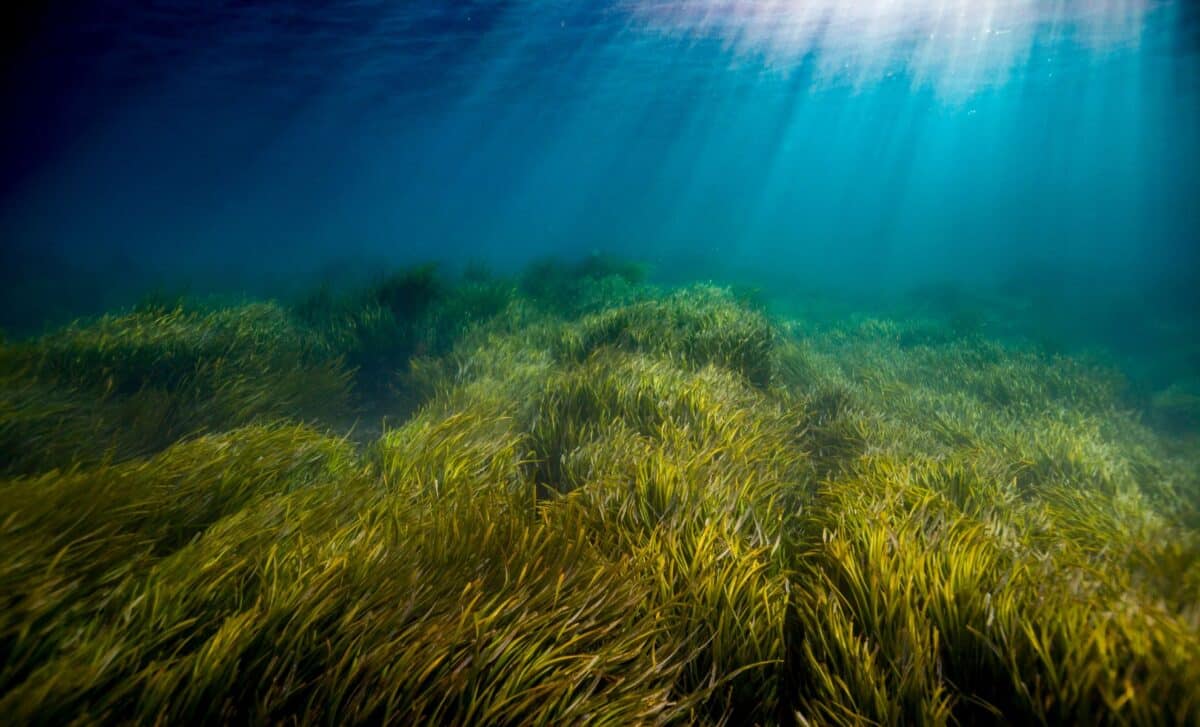
Researchers have uncovered a critical missing piece in the puzzle of ocean heatwaves, revealing that every such event may carry a hidden story of heat accumulation previously unaccounted for in climate models. A new study analyzing 2,580 distinct ocean heatwave events has identified a "hidden source of heat" that scientists had not fully captured in previous observations. This discovery suggests that current models may be underestimating the intensity and persistence of marine thermal anomalies.
The identification of this heat source is significant because it challenges the existing frameworks used to predict how oceans absorb and release heat. By accounting for this previously overlooked variable, scientists can now refine their projections for future sea surface temperatures and the associated ecological impacts. The study implies that the energy budget of these extreme events is more complex than previously thought, requiring a re-evaluation of how heat is transported and stored in the upper ocean layers.
This finding arrives at a crucial time as global ocean temperatures continue to set records. Understanding the precise mechanisms driving heatwaves is essential for predicting coral bleaching events, fish migration patterns, and storm intensification. The research team’s work provides a new lens through which to view these phenomena, potentially leading to more accurate early warning systems for marine ecosystems and coastal communities.
Research & Discoveries
Ocean Census Documents 1,121 New Marine Species
- Institution/Authors: Ocean Census Network
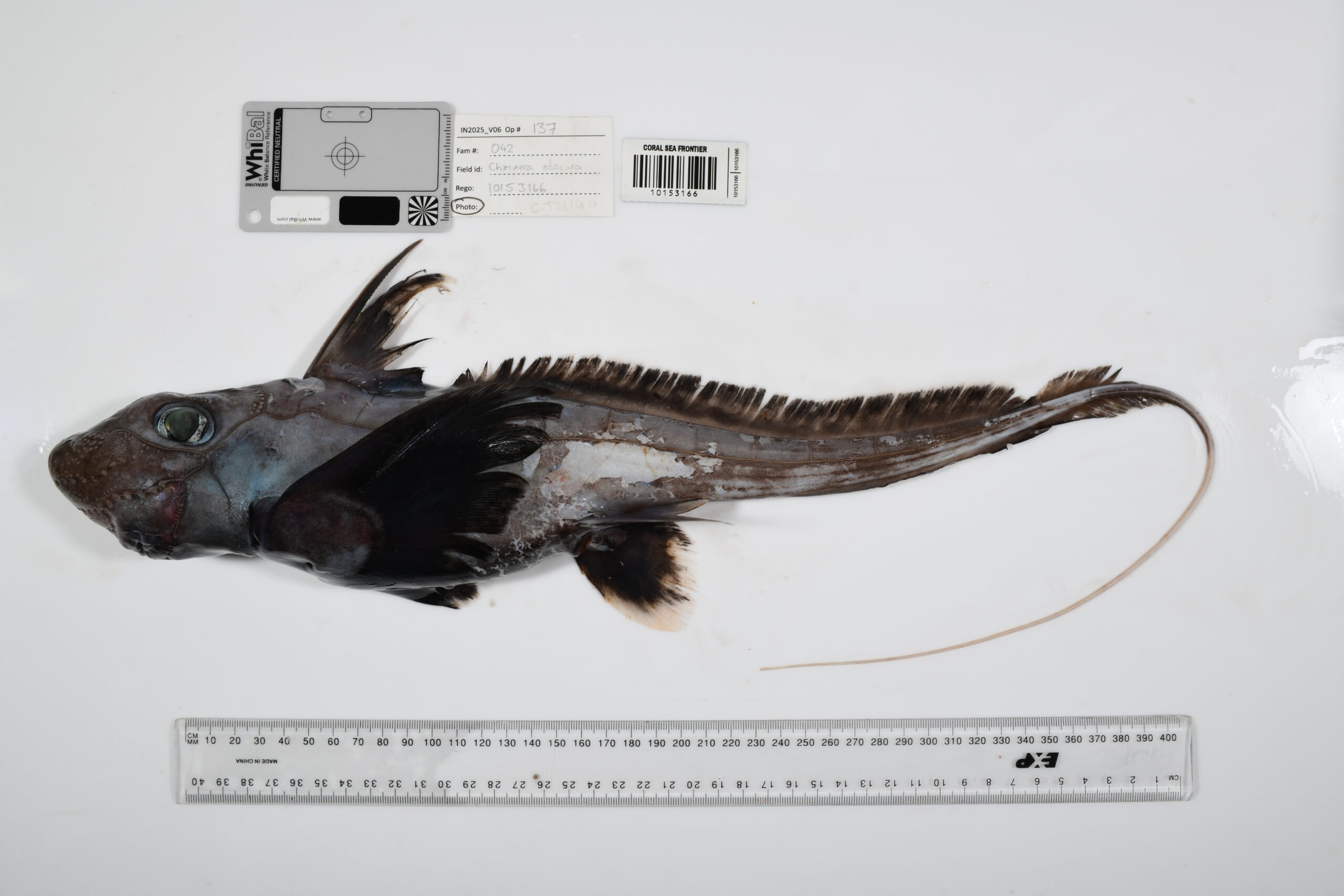
- Key Finding: Between April 2025 and March 2026, the Ocean Census network documented 1,121 marine species thought to be new to science. This surge in discoveries is sufficient to raise the normal global species identification rate by 54%.
- Why It Matters: With estimates suggesting that up to 90% of marine species remain undescribed, this acceleration in discovery is vital for establishing accurate biodiversity baselines. These findings highlight the vast unknowns in our oceans and the urgent need for continued exploration to understand ecosystem functions before they are altered by climate change.
Ocean & Climate Watch
UNEP Report Warns of Coral Reef Collapse
The United Nations Environment Programme (UNEP) has released a report painting a worrying picture for the future of coral reefs. The assessment highlights that a succession of marine heatwaves over the last three decades has already triggered the loss of nearly 10% of the world’s corals. Those that remain are facing a "daunting future" of potentially deadly underwater heat, with recovery windows shrinking as temperatures rise.

Coral Recovery Windows Closing
Research published in late August and discussed in recent weeks indicates that rising sea temperatures are leaving reefs less time to bounce back between intense heat waves. The largest global assessment of coral reefs reveals a distressing decline of nearly 10% between 2020 and 2024. The data suggests that without rapid mitigation of warming trends, the frequency of bleaching events will exceed the biological capacity of most reef systems to recover.

Conservation & Policy
No recent policy developments or conservation announcements were published within the strict 24-hour window (after September 7, 2026) in the provided sources.
Marine Technology & Exploration
September 2026 Maritime Technologies Issue
The latest issue of Marine Log magazine, released on September 9, 2026, explores the technologies, vessels, and strategies shaping smarter, safer, and more efficient maritime operations. While specific new robotic deployments are not detailed in the brief summary, the issue focuses on the integration of advanced navigation and operational systems in modern maritime fleets.

What to Watch Next
- Refined Heatwave Models: Scientists are expected to publish updated climate models incorporating the newly identified "hidden heat source" from the 2,580-event study, which may alter future temperature projections.
- Ocean Census Taxonomic Descriptions: Following the documentation of 1,121 candidate species, formal taxonomic descriptions and peer-reviewed publications for key finds (such as the deep-sea ghost sharks) are anticipated in upcoming marine biology journals.
- UNEP Coral Implementation: International bodies will likely respond to the UNEP report with new initiatives or funding calls aimed at protecting the remaining resilient coral reefs identified in recent mapping studies.
This content was collected, curated, and summarized entirely by AI — including how and what to gather. It may contain inaccuracies. Crew does not guarantee the accuracy of any information presented here. Always verify facts on your own before acting on them. Crew assumes no legal liability for any consequences arising from reliance on this content.
Powered by
