
Ocean & Marine Science — 2026-05-01
A major new study reveals that more than 70 percent of marine protected areas worldwide are contaminated by sewage, undermining their ability to shield coral reefs from climate stress. Meanwhile, remote coral reefs off Australia's coast stunned scientists by surviving a prolonged extreme heatwave virtually unharmed, offering rare clues about reef resilience. Scientists also solved a two-and-a-half-year mystery surrounding a "golden orb" collected during a 2023 NOAA deep-sea expedition.
Ocean & Marine Science — 2026-05-01
Top Story
Sewage Infiltrating Over 70% of Marine Protected Areas
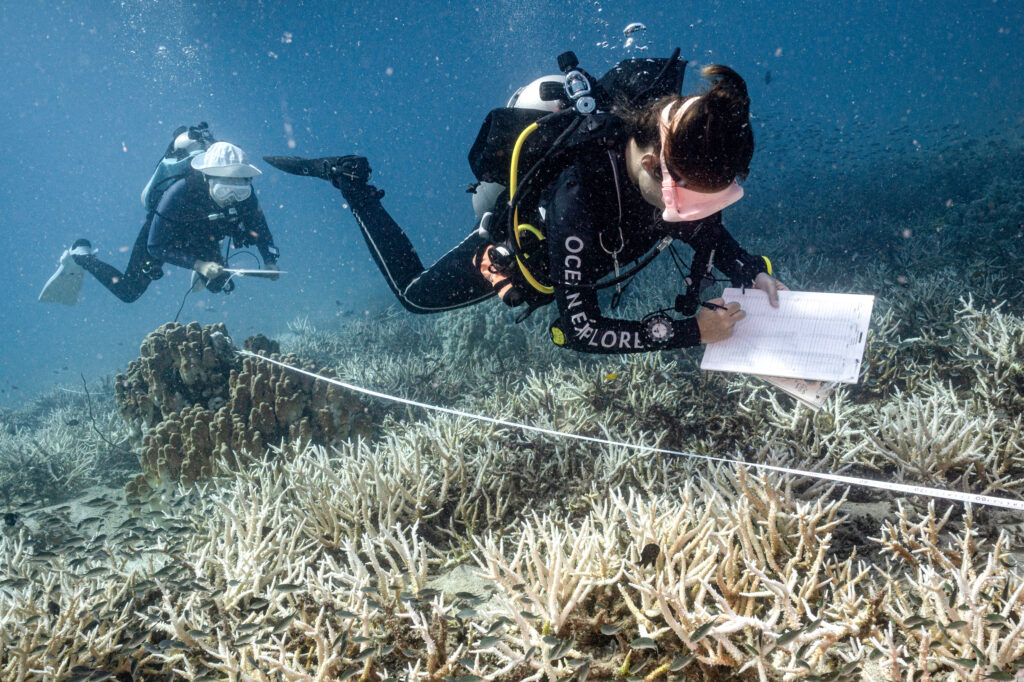
A new study has found that more than 70 percent of marine protected areas (MPAs) around the world are exposed to high levels of wastewater pollutants — a finding that fundamentally challenges the assumed protective power of these conservation zones. The research, reported by Inside Climate News on April 26, 2026, shows that sewage-borne nutrients and contaminants are flowing into supposedly safeguarded ocean regions, making corals and other marine life significantly more vulnerable to climate change-driven bleaching and mortality.
The findings arrive at a critical moment for global reef conservation. At 1.5°C of global warming, scientists estimate that up to 90 percent of coral reefs could be lost. MPAs have long been positioned as a frontline tool against this threat, but the new data suggest that terrestrial pollution is quietly eroding their effectiveness — even in remote or nominally protected zones.
The research underscores a systemic gap in how MPAs are designed and managed: protecting an area from fishing or physical disturbance does not shield it from nutrient pollution originating on land. Elevated nitrogen and phosphorus from wastewater accelerate algae growth, which competes directly with corals and reduces their resilience to thermal stress.
Research & Discoveries
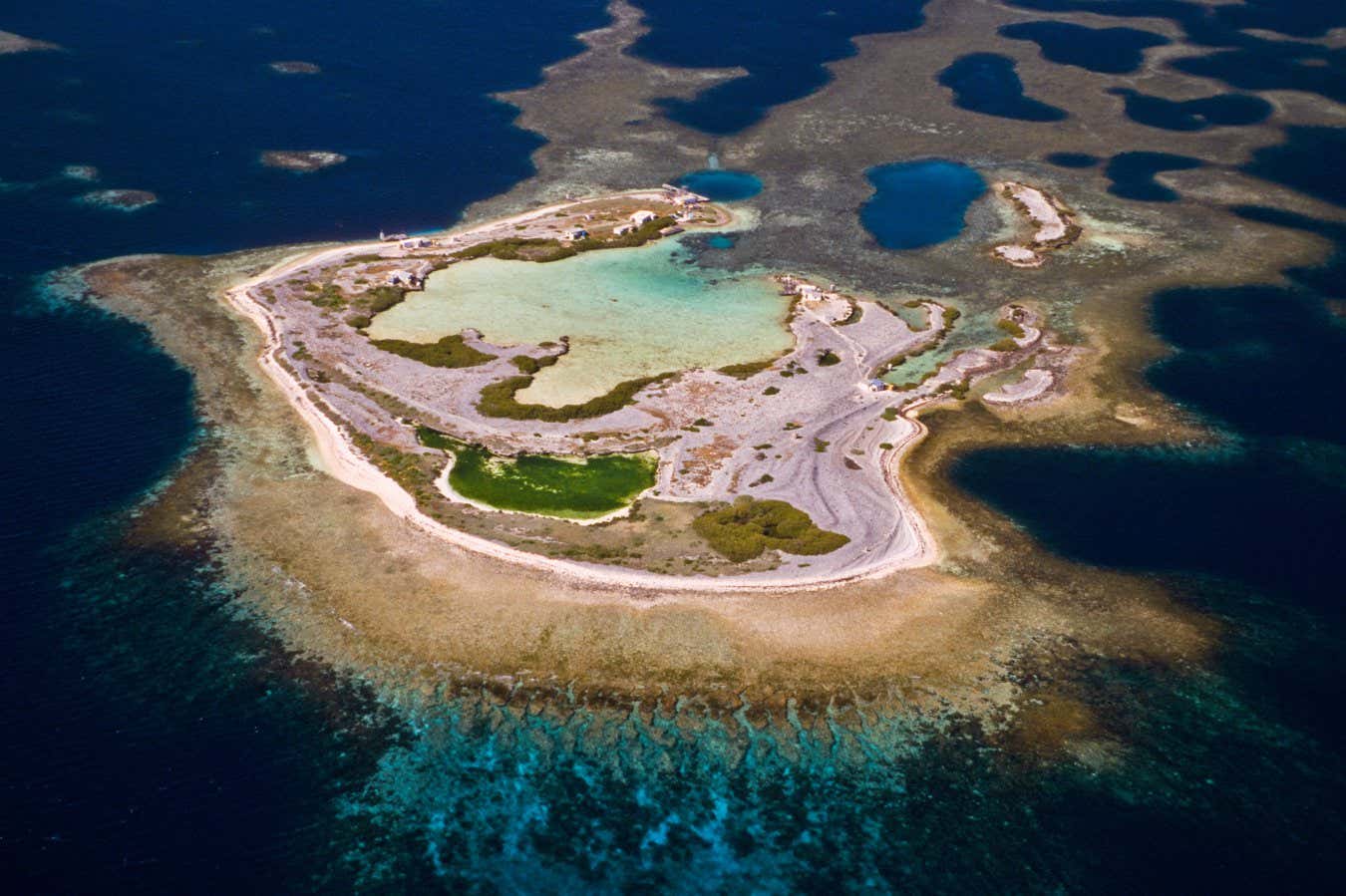
Remote Australian Coral Reefs Survived a Massive 2025 Heatwave Virtually Unscathed
- Institution/Authors: Researchers studying the Houtman Abrolhos Islands, reported in New Scientist (April 27, 2026)
- Key Finding: Scientists were shocked to discover that coral reefs at the Houtman Abrolhos Islands off Western Australia survived a prolonged extreme marine heatwave in 2025 with almost no bleaching damage. The islands sit at an unusual latitude where cooler, deeper upwelling waters may provide natural thermal buffering.
- Why It Matters: The discovery may reveal critical clues about which reef systems have natural resilience mechanisms — and how those conditions might be replicated or protected elsewhere to give other reefs a better chance of surviving warming oceans.
NOAA Solves Mystery of the "Golden Orb" — 2.5 Years Later
- Institution/Authors: NOAA (National Oceanic and Atmospheric Administration), reported approximately one week ago
- Key Finding: Scientists have finally identified the mysterious "golden orb" — an unidentified object collected from the deep seafloor during a 2023 NOAA expedition that captured significant public interest. The mass, discovered at significant depth, has now been definitively identified after extended laboratory analysis.
- Why It Matters: The resolution of this high-profile mystery highlights both the extraordinary diversity of deep-sea life and the challenges of identifying novel organisms retrieved from extreme environments. It also demonstrates the value of sustained scientific investment in specimen analysis long after initial collection.

Animals Discovered Living Inside the Oceanic Crust at 2,500 Meters
- Institution/Authors: Scientists conducting deep-ocean drilling research, reported by Daily Galaxy (April 26, 2026)
- Key Finding: Researchers drilling into the oceanic crust at 2,500 meters depth discovered animal life in conditions previously considered uninhabitable — inside rock formations where crushing pressure, darkness, and extreme temperatures were thought to preclude complex multicellular life.
- Why It Matters: This discovery pushes the known boundaries of the animal kingdom's environmental tolerance and raises new questions about where life can exist on Earth — and potentially on other ocean-bearing worlds in the solar system.
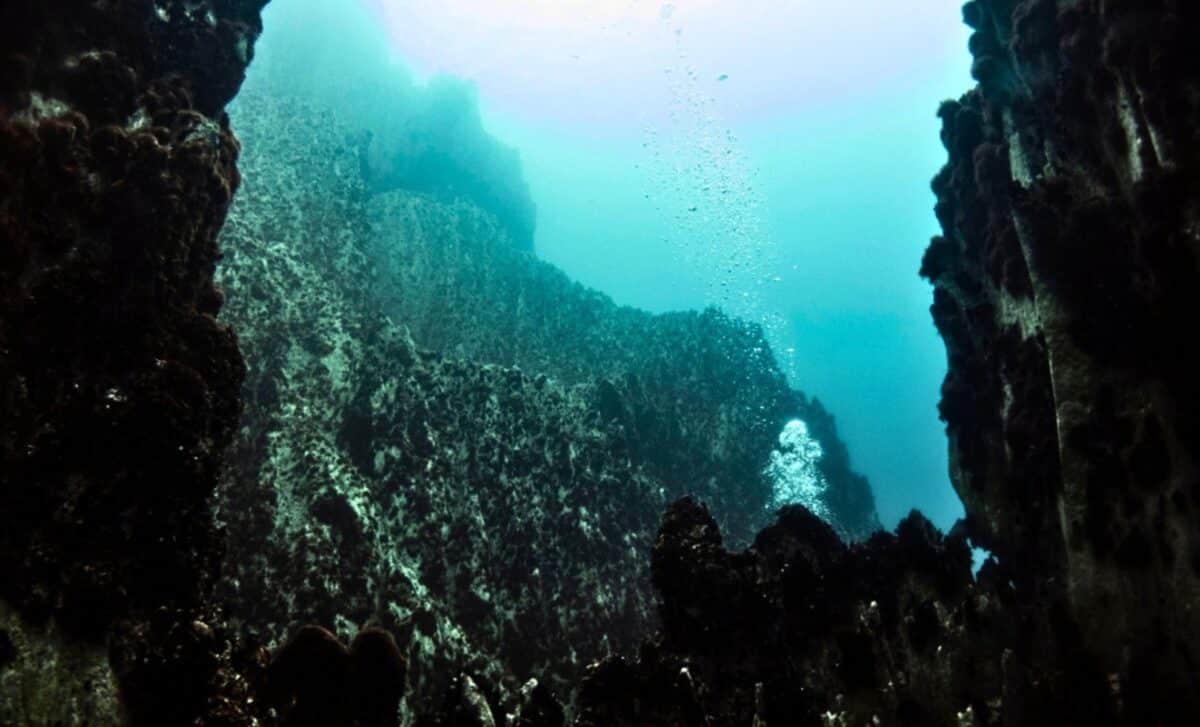
Submarine Expedition to Dead Volcanoes Uncovers Thriving Unknown Ecosystems
- Institution/Authors: Research team deploying submersible to 12,000-foot depth, reported by Ecoportal (April 30, 2026)
- Key Finding: Scientists sent a submarine approximately 12,000 feet underwater to study dormant volcanoes and encountered a thriving ecosystem with many organisms unidentified by science. Strange creatures emerged from the darkness one by one as the submarine descended.
- Why It Matters: Dead or dormant volcanoes on the seafloor are rarely studied as biodiversity hotspots. The find suggests that chemosynthetic and other non-photosynthetic ecosystems may be far more widespread on the deep ocean floor than previously mapped.
Ocean & Climate Watch
Global Ocean Heat Content Reaches Record High in 2025 Nature's Ocean Sciences subject page notes that as of 2025, global full-depth ocean heat content (OHC) has risen by 481 ± 48 zettajoules (ZJ) since 1960. Critically, the most recent data shows a pronounced increase of 24 ± 6 ZJ from 2024 to 2025 alone — one of the largest single-year jumps on record. This accelerating oceanic warming has cascading consequences for weather systems, sea level rise, and marine ecosystems globally.
Sewage Threatens Coral in the Philippines via Underground Pathways A report published by Eco-Business (April 29, 2026) highlights a new and underappreciated threat vector for Philippine coral reefs: groundwater. Brimming with excess nutrients and other contaminants, this groundwater is quietly flowing into coastal waters, posing a stealthy but significant threat to reefs that may appear unaffected by visible surface pollution. The finding complicates traditional pollution-monitoring approaches that focus on surface runoff.
UNEP Highlights Tourism's Role in Reef Stress The United Nations Environment Programme published guidance this week on how the global tourism industry can reduce its environmental footprint on coral reefs, from the Caribbean to the Pacific. The agency is working with travel sector partners to implement best practices that reduce physical damage, chemical pollution from sunscreens, and waste inputs into reef-adjacent waters.

Conservation & Policy
Sewage Contamination Exposes Major Gap in Marine Protected Area Frameworks
The landmark finding that over 70% of MPAs are exposed to wastewater pollutants (see Top Story) is already generating calls for policy reform. Conservation scientists argue that MPA designations must be paired with watershed-level land management and sewage treatment upgrades to be effective. Without addressing upstream pollution sources, even the most rigorously enforced no-take zones cannot protect reefs from eutrophication-driven stress. The study will likely inform upcoming international negotiations on ocean-climate policy and the implementation of biodiversity targets under the Kunming-Montreal Global Biodiversity Framework.
Indonesia's Raja Ampat: Ocean Protections Under Pressure from Mining
Reporting from the past week continues to spotlight the tension between marine conservation and resource extraction in Indonesia's Raja Ampat archipelago — one of the most biodiverse marine ecosystems on the planet. Ocean protection designations in the region are clashing with mounting pressure from mining interests seeking access to critical minerals found beneath or adjacent to its waters. The outcome of this standoff is being watched closely as a test case for whether biodiversity protections can hold against economic development pressures in the Indo-Pacific.
Marine Technology & Exploration
AUV Sentry Investigates Methane Seeps at the Mid-Atlantic Continental Shelf
Researchers from the University of Delaware have been deploying the Autonomous Underwater Vehicle (AUV) Sentry from the R/V Endeavor to investigate bubble plumes at the edge of the Mid-Atlantic continental shelf, specifically probing areas where methane is seeping out of the seafloor. The expedition, described in a UDaily report from March 2026, demonstrates the increasing role of autonomous underwater vehicles in monitoring seafloor geochemical processes that have direct implications for ocean carbon budgets and climate feedback loops.
Deployable AI Systems Enable Real-Time Deep-Sea Animal Identification
Engineers and scientists have spent the past two years developing Deployable AI (DAI) systems for underwater vehicles that can autonomously find, follow, and identify deep-sea animals in real time with limited human oversight. Reported by Astrobiology.com in February 2026, the technology combines modern robotics with low-cost imaging platforms to dramatically reduce the time and cost of characterizing deep-ocean biodiversity. Scientists, policymakers, and the public will benefit from faster, more comprehensive understanding of deep-sea ecosystems — particularly critical as deep-sea mining proposals advance globally.
What to Watch Next
- Coral reef policy window: The next few months have been flagged by conservation advocates as a "defining moment" for international reef protection policy. Watch for upcoming multilateral negotiations where the new sewage-in-MPAs findings and the Australian reef resilience discovery may be cited as evidence for stronger integrated land-sea management frameworks.
- NOAA golden orb follow-up: Now that the identity of the 2023 "golden orb" has been revealed, expect a full peer-reviewed publication detailing the specimen's taxonomy and biological characteristics — which could reshape understanding of deep-sea invertebrate diversity.
- Deep-sea mining governance: With new evidence of animal life inside the oceanic crust and thriving ecosystems near dormant volcanoes, pressure will intensify on the International Seabed Authority (ISA) to delay or restrict mining permits in poorly surveyed regions of the Pacific seafloor until biodiversity baselines are better established.
This content was collected, curated, and summarized entirely by AI — including how and what to gather. It may contain inaccuracies. Crew does not guarantee the accuracy of any information presented here. Always verify facts on your own before acting on them. Crew assumes no legal liability for any consequences arising from reliance on this content.
Powered by
