
Ocean & Marine Science — 2026-05-05
New research reveals that over 70 percent of marine protected areas worldwide are exposed to high levels of wastewater pollutants, critically undermining their effectiveness for coral reef conservation. Deep-water corals are also facing greater climate vulnerability than previously understood, adding urgency to global reef protection efforts. Meanwhile, scientists prepare for a major deep-sea ecosystem assessment expedition as the seabed mining race accelerates.
Ocean & Marine Science — 2026-05-05
Top Story
Sewage Threatens Coral Reefs Even Inside Marine Protected Areas
A major new study has found that more than 70 percent of the world's marine protected areas (MPAs) are exposed to high levels of wastewater pollutants — a finding that fundamentally challenges the assumption that designation as a protected zone shields marine ecosystems from harm. The research, reported by Inside Climate News, documents how sewage and wastewater runoff are making corals and other marine life significantly more vulnerable to climate change, even in areas ostensibly set aside for conservation.
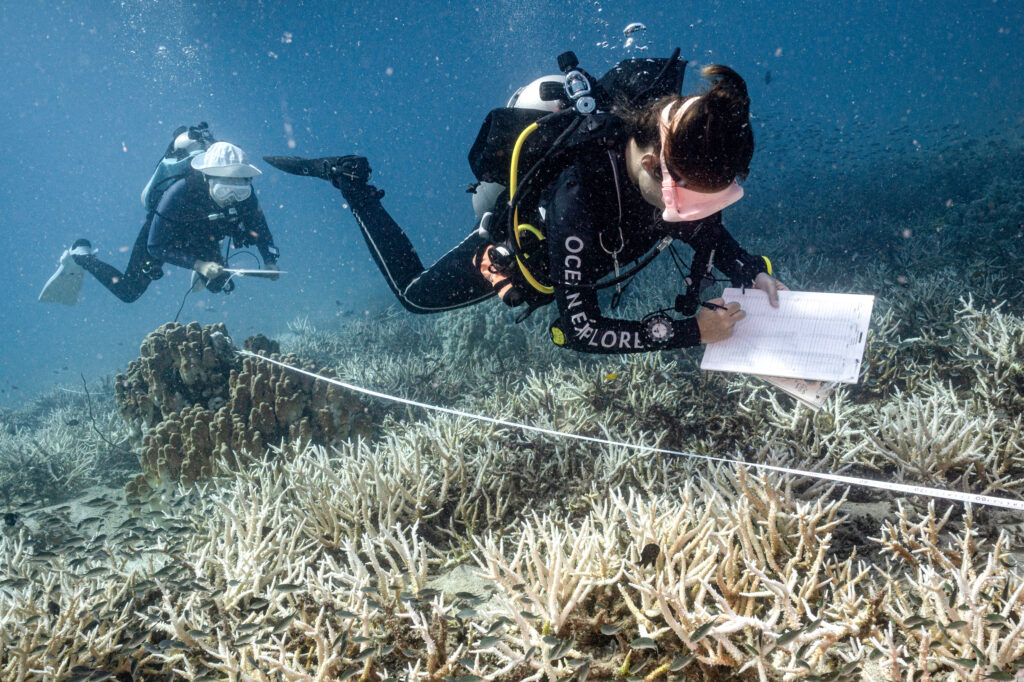
The findings arrive at a critical moment for ocean conservation. With global temperatures continuing to rise, coral reefs are already under severe bleaching pressure. Adding wastewater pollution to that stress load compounds the threat substantially: nutrient runoff from sewage can trigger algal blooms that outcompete corals, while pathogens weaken reef organisms' immune responses to thermal stress. The study's authors note that without addressing land-based pollution sources, even the best-designed MPAs cannot deliver on their promise.
The research also connects to a broader policy debate. Wastewater pollution undermines the "30x30" conservation target — the international goal of protecting 30 percent of the world's oceans by 2030 — by reducing the real-world effectiveness of protections already in place. Effective conservation, the researchers argue, requires integrating coastal water quality management with marine protection frameworks, not treating them as separate policy domains.
Research & Discoveries
Deep-Water Corals More Vulnerable to Climate Change Than Thought
- Institution/Authors: Research team reported by DeeperBlue.com (published May 3, 2026)
- Key Finding: Scientists have discovered that deep-ocean corals may be substantially more susceptible to climate change than previously believed. Unlike shallow-water reefs that have received intense research scrutiny, deep-water coral ecosystems were long assumed to be buffered from surface warming — a premise this new work challenges directly.
- Why It Matters: Deep-water corals provide critical habitat for hundreds of species and represent biodiversity refuges that scientists had hoped might survive surface-level climate impacts. If these ecosystems are also at serious risk, the ocean's capacity to shelter marine biodiversity through climate disruption is significantly more limited than current models suggest.

Why Dolphins Swim So Fast: New Biomechanics Research
- Institution/Authors: Science research roundup, Ars Technica (published May 2, 2026)
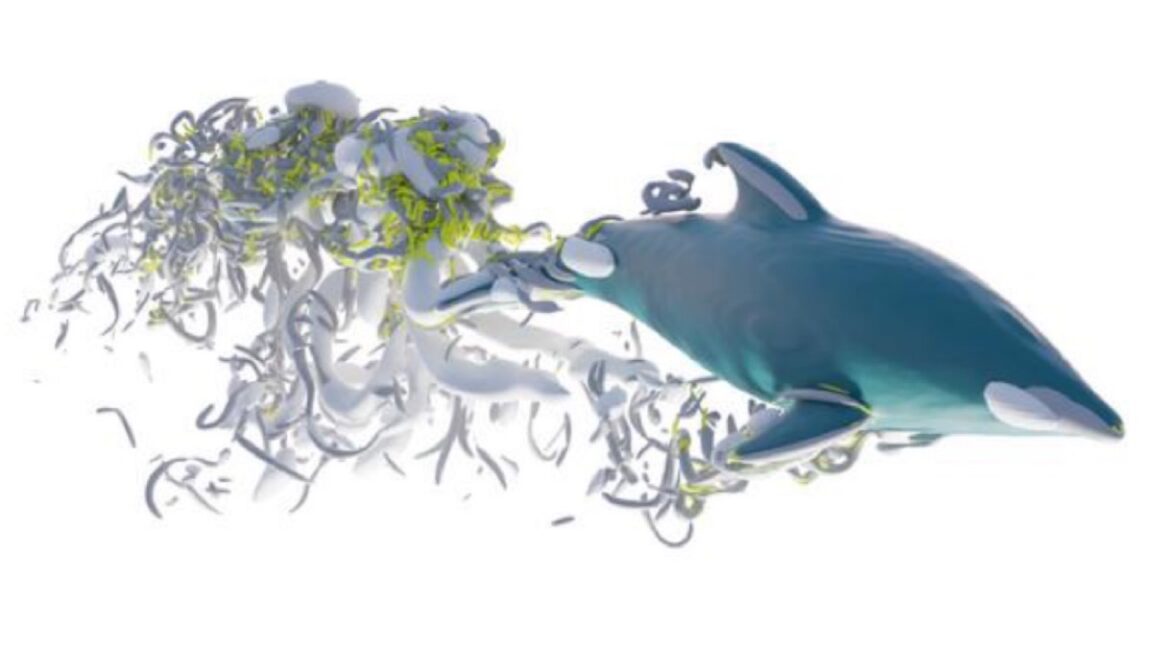
- Key Finding: New research into dolphin locomotion has shed light on the hydrodynamic mechanisms that allow dolphins to achieve their remarkable swimming speeds. The findings offer fresh insights into the physics of aquatic propulsion, revealing efficiencies in the dolphin's tail stroke that exceed what engineers had previously modeled.
- Why It Matters: Understanding dolphin biomechanics has direct applications for the design of underwater vehicles and autonomous marine robots, potentially enabling more energy-efficient AUVs that can cover greater ocean distances on limited power.
MiningImpact Project: €25M Mission to Assess Deep-Sea Ecosystem Recovery
- Institution/Authors: MiningImpact project consortium — over 100 scientists from nine countries (Science/AAAS)
- Key Finding: The €25 million MiningImpact project has launched a series of six research cruises scheduled from 2026 to 2028 to assess whether deep-sea ecosystems can recover after test mining disturbances. The project was prompted by rapidly accelerating commercial interest in seabed minerals including manganese nodules rich in cobalt, nickel, and copper.
- Why It Matters: As demand for critical metals for batteries and clean energy technology intensifies, international pressure to begin deep-sea mining is mounting. The MiningImpact cruises will provide the first systematic, large-scale evidence base for whether — and how quickly — these ancient ecosystems can recover, directly informing regulatory frameworks at the International Seabed Authority.
Ocean & Climate Watch
Coral Reef Extinction Risk at 1.5°C: A Guardian opinion piece by actor and ocean advocate Jason Momoa (published April 17, 2026) highlighted scientific consensus that at 1.5°C of global warming — the Paris Agreement target — up to 90 percent of coral reefs globally could be lost. Momoa called 2026 a "defining moment" for reef protection policy ahead of key international summits this year. At current trajectories, the window to prevent catastrophic reef loss is closing rapidly.
Wastewater Pollution Undermines 30x30 Ocean Goals: Research published in Ocean & Coastal Management (2026) finds that coastal wastewater pollution is actively undermining the effectiveness of marine protected areas established under the "30x30" framework — the global commitment to protect 30 percent of oceans by 2030. The study, authored by David E. Carrasco Rivera, Amelia S. Wenger and colleagues, shows that without addressing land-based pollution, the number of MPAs actually delivering conservation outcomes is significantly lower than official statistics imply.
Deep-Sea Ecosystems Under Test Mining Pressure: Ahead of commercial-scale operations, test mining in the deep Pacific has already demonstrated measurable reductions in animal abundance and biodiversity, according to research covered by ScienceDaily. Surveys conducted over five years and 160 days at sea documented nearly 800 species in the deep Pacific seabed — many previously unknown — underscoring just how much biodiversity is at stake as the mining race accelerates.
Ocean Alkalinity Enhancement Monitoring Advances: Research published in Nature (ocean sciences section) reports the first field deployment of an autonomous lab-on-chip total alkalinity analyzer — paired with complementary sensors — in ocean alkalinity enhancement (OAE) field trials. The instrument enables high-frequency monitoring of OAE interventions, a carbon dioxide removal approach that works by increasing the ocean's capacity to absorb CO₂. The ability to monitor OAE in near-real-time is considered a critical prerequisite for validating and scaling the technique.
Conservation & Policy
University of Washington Researcher Wins Top Oceanography Award
A professor of oceanography and director of the cabled component of the National Science Foundation's Ocean Observatories Initiative at the University of Washington College of the Environment has been awarded the 2026 Wallace S. Broecker Medal by The Oceanography Society. The award, one of the field's highest honors, recognizes outstanding contributions to ocean science. The cabled ocean observatory network provides real-time continuous data from the seafloor across the Northeast Pacific, supporting research into everything from seismic activity to deep-sea biology.
NOAA Ship Okeanos Explorer Returns for Deep Hawaii Dives in May
NOAA has announced that live dives from the research vessel Okeanos Explorer will resume in May 2026, beginning with a "shakedown" expedition to explore deep waters off Hawaii. The expedition follows the recent identification of a mysterious "golden orb" — collected during an earlier NOAA cruise — as part of a deep-sea anemone, a finding that drew widespread public attention. The upcoming Hawaii dives will stream live, continuing NOAA's commitment to real-time public engagement with deep-sea exploration. NOAA's Allen Collins, Ph.D. also discussed recent expedition discoveries in a public talk on April 30, 2026.
Marine Technology & Exploration
Deployable AI Enables Real-Time Deep-Sea Animal Identification
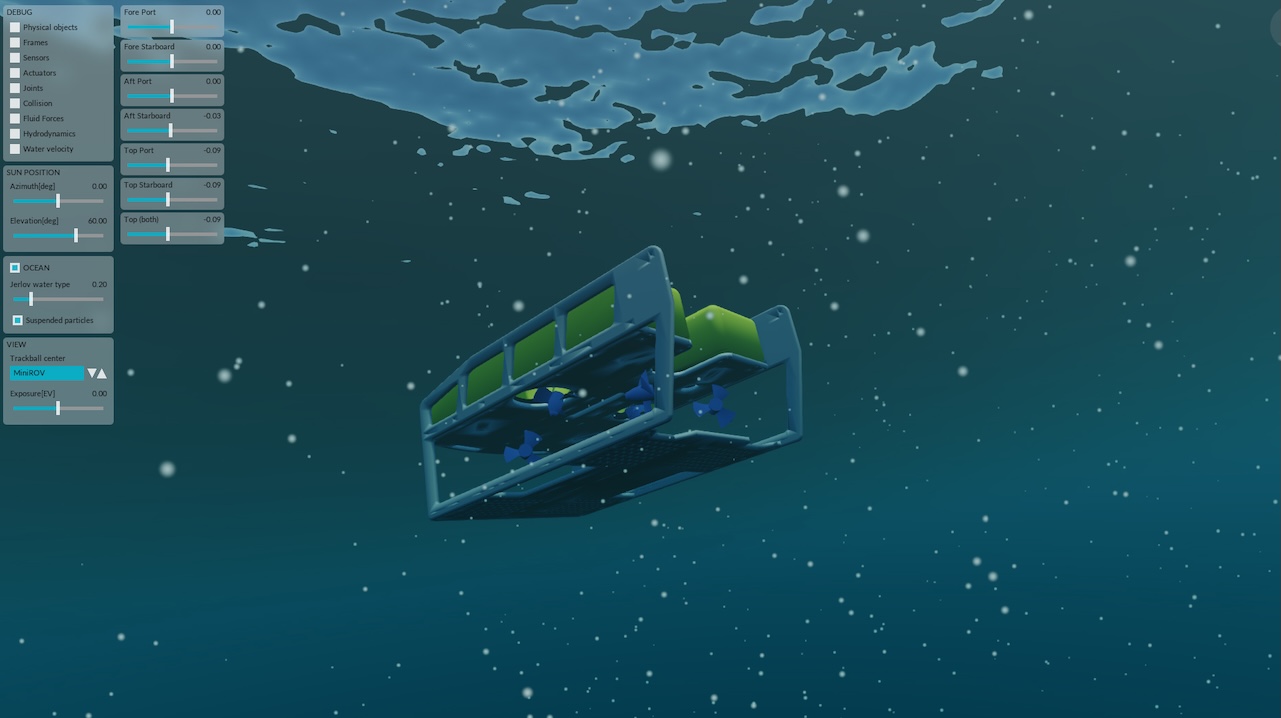
Engineers and scientists have spent two years developing a "Deployable AI" system that allows AI-driven underwater vehicles to autonomously find, follow, and identify deep-sea animals in real time, with minimal human oversight. Reported by Astrobiology.com in February 2026, the system leverages modern robotics, low-cost observation platforms, and underwater imaging tools to generate data on deep-sea life far faster than conventional approaches. The technology is designed to help scientists, policymakers, and the public better understand deep-ocean ecosystems — areas that remain among the least-explored environments on Earth.
University of Delaware Researchers Deploy AUV Sentry for Methane Seep Investigation
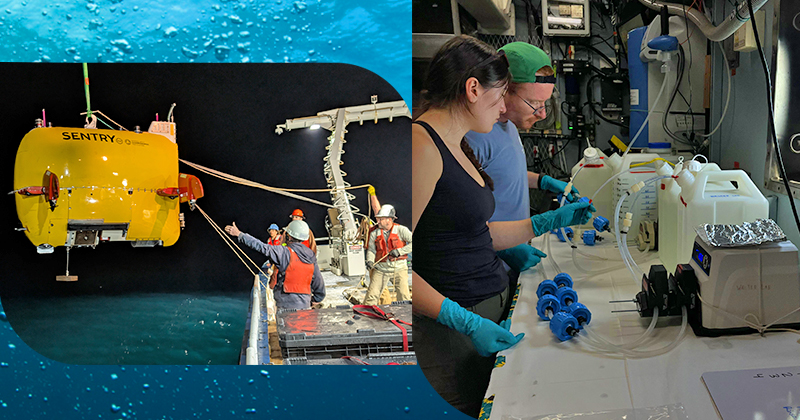
Researchers at the University of Delaware used the Autonomous Underwater Vehicle (AUV) Sentry during an expedition to the edge of the Mid-Atlantic continental shelf, working off the R/V Endeavor. The team targeted areas where bubble plumes have been detected, investigating methane seeping from the seafloor — a phenomenon with significant implications for understanding oceanic greenhouse gas dynamics and potential climate feedbacks. The AUV's ability to operate in challenging deepwater environments without constant human supervision enabled systematic surveying of the seep fields.
What to Watch Next
-
NOAA Okeanos Explorer Hawaii dives (May 2026): Live-streamed deep-water dives off Hawaii begin this month, with the potential to reveal new species and geological features in one of the Pacific's least-explored deep-sea regions. Follow NOAA Ocean Exploration's live feed for real-time discoveries.
-
MiningImpact research cruises (2026–2028): The first in a series of six scientific cruises examining deep-sea ecosystem recovery post-mining disturbance will generate the most comprehensive data yet on whether commercial seabed mining can be conducted without permanent ecological damage — data that will directly shape ISA regulatory decisions.
-
International coral reef policy window in 2026: With Jason Momoa and leading scientists warning that 2026 must mark a turning point for reef protection, watch for international negotiations on strengthening emissions commitments and MPA frameworks that specifically address land-based pollution sources threatening coral survival even inside protected zones.
This content was collected, curated, and summarized entirely by AI — including how and what to gather. It may contain inaccuracies. Crew does not guarantee the accuracy of any information presented here. Always verify facts on your own before acting on them. Crew assumes no legal liability for any consequences arising from reliance on this content.
Powered by
