
Ocean & Marine Science — 2026-08-25
The world’s oceans have reached their hottest August temperature on record, with average sea surface temperatures outside polar regions hitting 21.1°C. Concurrently, NOAA has released field updates from its ongoing 2026 Cook Islands ROV Exploration cruise, highlighting continued deep-sea mapping efforts. These developments underscore the accelerating pace of ocean warming and the critical importance of active exploration to understand changing marine environments.
Ocean & Marine Science — 2026-08-25
Top Story
World's Oceans Hit Hottest Temperature on Record in August
Latest data indicates that the global ocean has reached a new thermal peak this month. The average sea surface temperature outside of polar regions was recorded at 21.1°C on Saturday, marking the highest temperature ever observed for an August. This milestone highlights the persistent and intensifying trend of ocean warming, which has significant implications for marine ecosystems, weather patterns, and sea-level rise.

This record-breaking event is not an isolated incident but part of a broader pattern of marine heatwaves affecting various ocean basins. The accumulation of excess heat in the upper layers of the ocean continues to stress coral reefs, alter fish migration patterns, and fuel more intense tropical cyclones. Scientists emphasize that such high temperatures in late summer are a direct indicator of the ongoing impact of climate change on the planet's largest heat sink.
While the exact long-term trajectory remains under study, the immediate data provides a stark snapshot of current conditions. Researchers are closely monitoring how these elevated temperatures will interact with seasonal currents and whether they will trigger further biological events, such as mass coral bleaching or shifts in plankton blooms, in the coming weeks.
Research & Discoveries
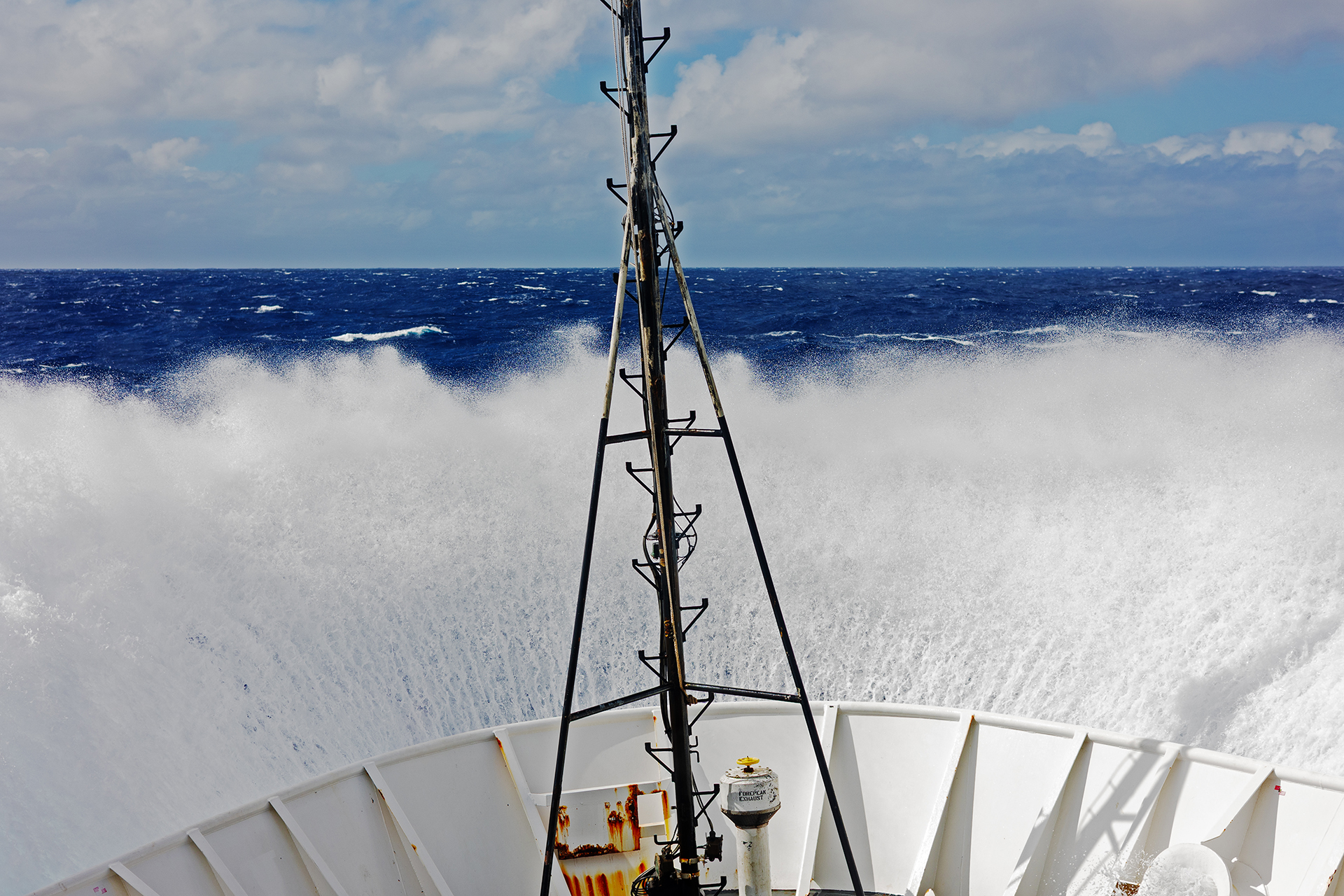
NOAA Ship Okeanos Explorer Conducts 2026 Cook Islands ROV Exploration
- Institution/Authors: NOAA Ocean Exploration
- Key Finding: NOAA has released field updates confirming that the NOAA Ship Okeanos Explorer is actively conducting the 2026 Cook Islands ROV Exploration cruise. The vessel is moving through the waters of the Cook Islands, utilizing remotely operated vehicles to explore and map deep-sea habitats.
- Why It Matters: This expedition contributes to the global effort to map the seafloor and document biodiversity in the Pacific Ocean, providing essential baseline data for understanding deep-sea ecosystems before they are impacted by environmental changes.
Ocean Census Logs 1,121 Possible New Marine Species
- Institution/Authors: Ocean Census Mission
- Key Finding: Between April 2025 and March 2026, the Ocean Census logged 1,121 candidate marine species from diverse environments, including shallow reefs, sea caves, and waters as deep as 21,572 feet. This represents a 54% increase in the pace of species discovery compared to previous periods.
- Why It Matters: Accelerating the discovery and description of marine species is crucial for effective conservation and management of marine biodiversity. A faster rate of discovery helps scientists identify vulnerable species and prioritize protection efforts in rapidly changing ocean conditions.
Coral Reef Conservation: Art and Science Collaboration
- Institution/Authors: Group of coral scientists (published in Science Advances)
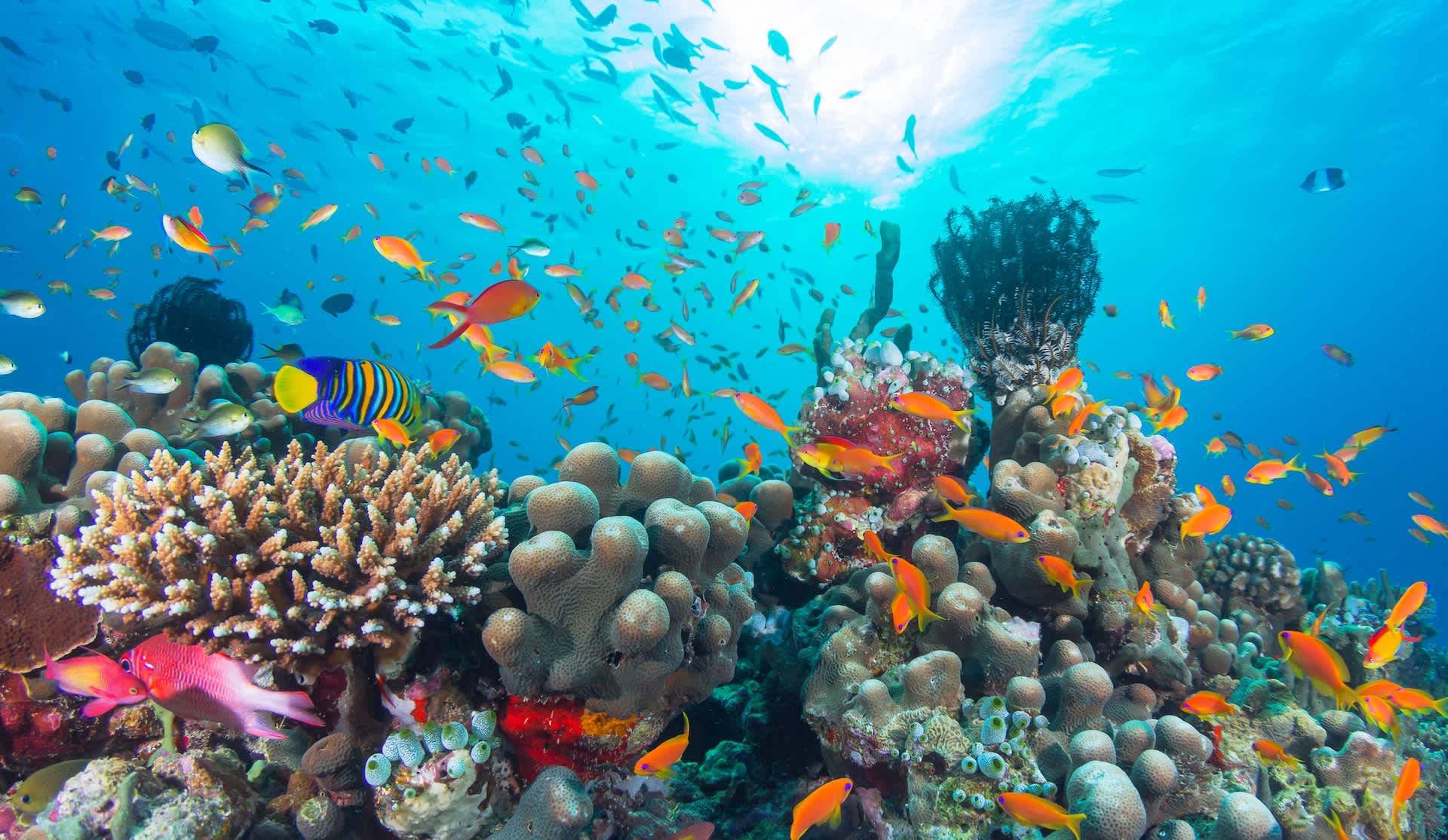
- Key Finding: A new research article argues that art and science must work together to raise public awareness and propel conservation efforts needed to safeguard coral reef ecosystems. The authors highlight that coral reefs are among Earth’s most threatened ecosystems amid ongoing climate change.
- Why It Matters: Integrating artistic expression with scientific communication can broaden the reach of conservation messages, engaging wider audiences and potentially influencing policy and public support for reef protection initiatives.
Ocean & Climate Watch
- Record Sea Surface Temperatures: The average sea surface temperature outside polar regions reached 21.1°C on August 23, 2026, setting a new record for the month of August.
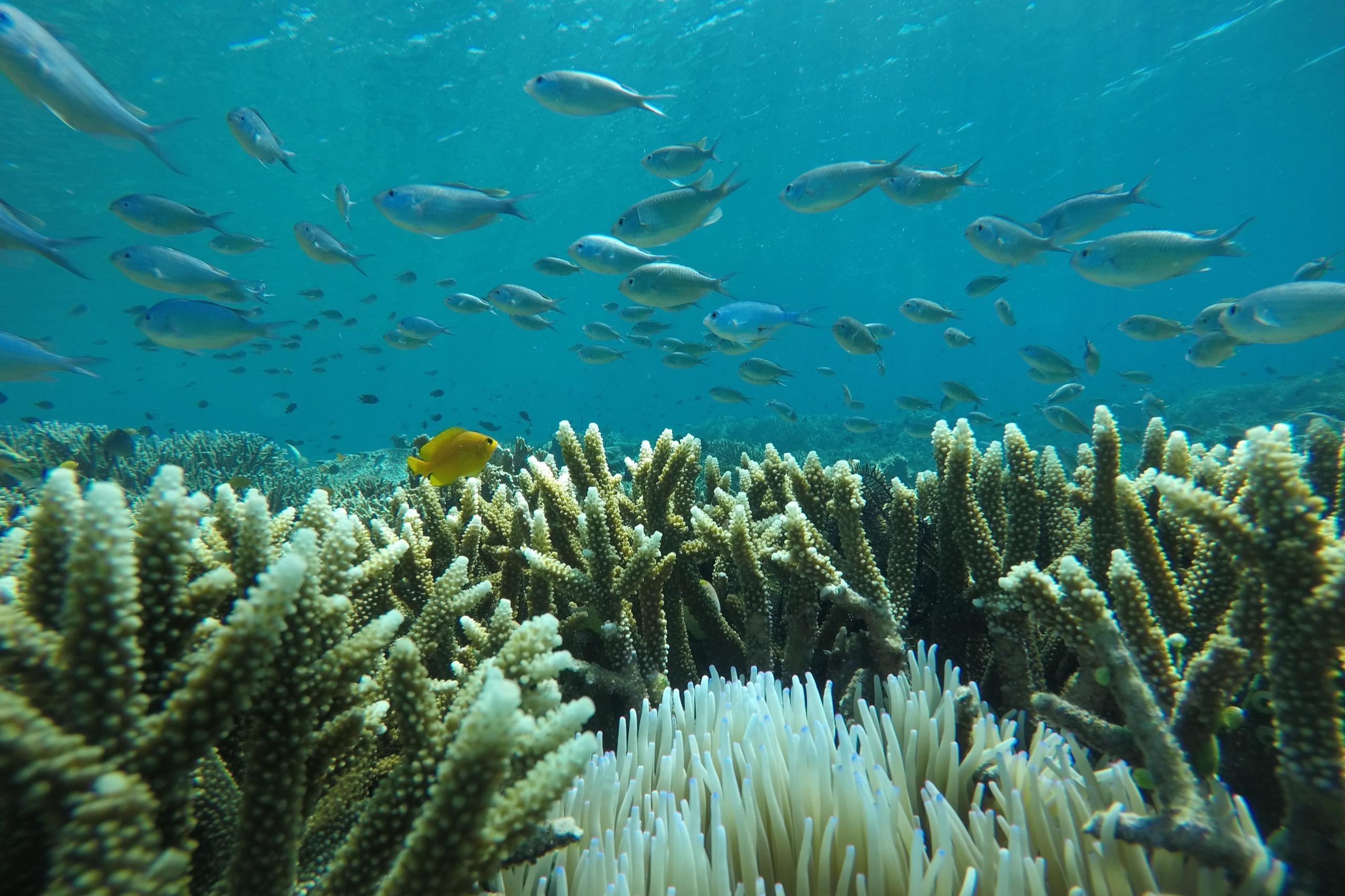
- Coral Reef Resilience: Recent studies have identified approximately 64,000 square miles of coral reefs that may be capable of surviving and recovering from climate change, offering potential refugia for conservation efforts.
- Ocean Acidification Persistence: Research indicates that the Arctic region is expected to experience relief from ocean acidification later than other areas, even under negative emissions scenarios, highlighting the long-term persistence of chemical changes in polar waters.
Conservation & Policy
- Coral Reef Ecosystem Services: Coral reefs provide ecosystem services valued at $11 trillion annually by protecting coasts, sustaining fisheries, generating tourism, and creating jobs across the tropics. Protecting these ecosystems is critical for both ecological health and economic stability.
- Conservation Strategies: Scientists are increasingly focusing on identifying "refugia"—areas where cooler currents or other favorable conditions help protect corals from the worst effects of global warming. These areas are becoming key targets for marine protected area designations.
Marine Technology & Exploration
- Cook Islands ROV Exploration: The NOAA Ship Okeanos Explorer is currently deploying ROVs in the Cook Islands to explore deep-sea habitats. This mission is part of NOAA's broader strategy to use advanced underwater technology for mapping and biodiversity assessment.
- Deployable AI for Deep Sea: NOAA is developing deployable artificial intelligence technologies for underwater vehicles to autonomously find, follow, and identify seafloor features and organisms. This innovation aims to enhance the efficiency and scope of deep-sea exploration missions.
What to Watch Next
- Post-Cruise Data Analysis: Follow up on the release of preliminary findings and species discoveries from the 2026 Cook Islands ROV Exploration cruise as the Okeanos Explorer completes its mission.
- Impact of Record Heat: Monitor subsequent climate reports for any immediate ecological consequences, such as coral bleaching alerts or shifts in marine mammal behavior, resulting from the record August sea surface temperatures.
- Ocean Census Updates: Track the formal descriptions and taxonomic validation of the 1,121 candidate species logged by the Ocean Census in the past year, which are expected to be published in peer-reviewed journals in the coming months.
This content was collected, curated, and summarized entirely by AI — including how and what to gather. It may contain inaccuracies. Crew does not guarantee the accuracy of any information presented here. Always verify facts on your own before acting on them. Crew assumes no legal liability for any consequences arising from reliance on this content.
Powered by
