
Ocean & Marine Science — 2026-09-06
The Ocean Census initiative has reported a massive surge in marine species discovery, identifying over 1,100 candidate new species in a single year. Meanwhile, new global assessments warn that coral reefs are running out of time to recover between marine heatwaves, with the Caribbean losing nearly half its live hard coral surface area in four decades.
Ocean & Marine Science — 2026-09-06
Top Story
Ocean Census Accelerates Global Species Discovery
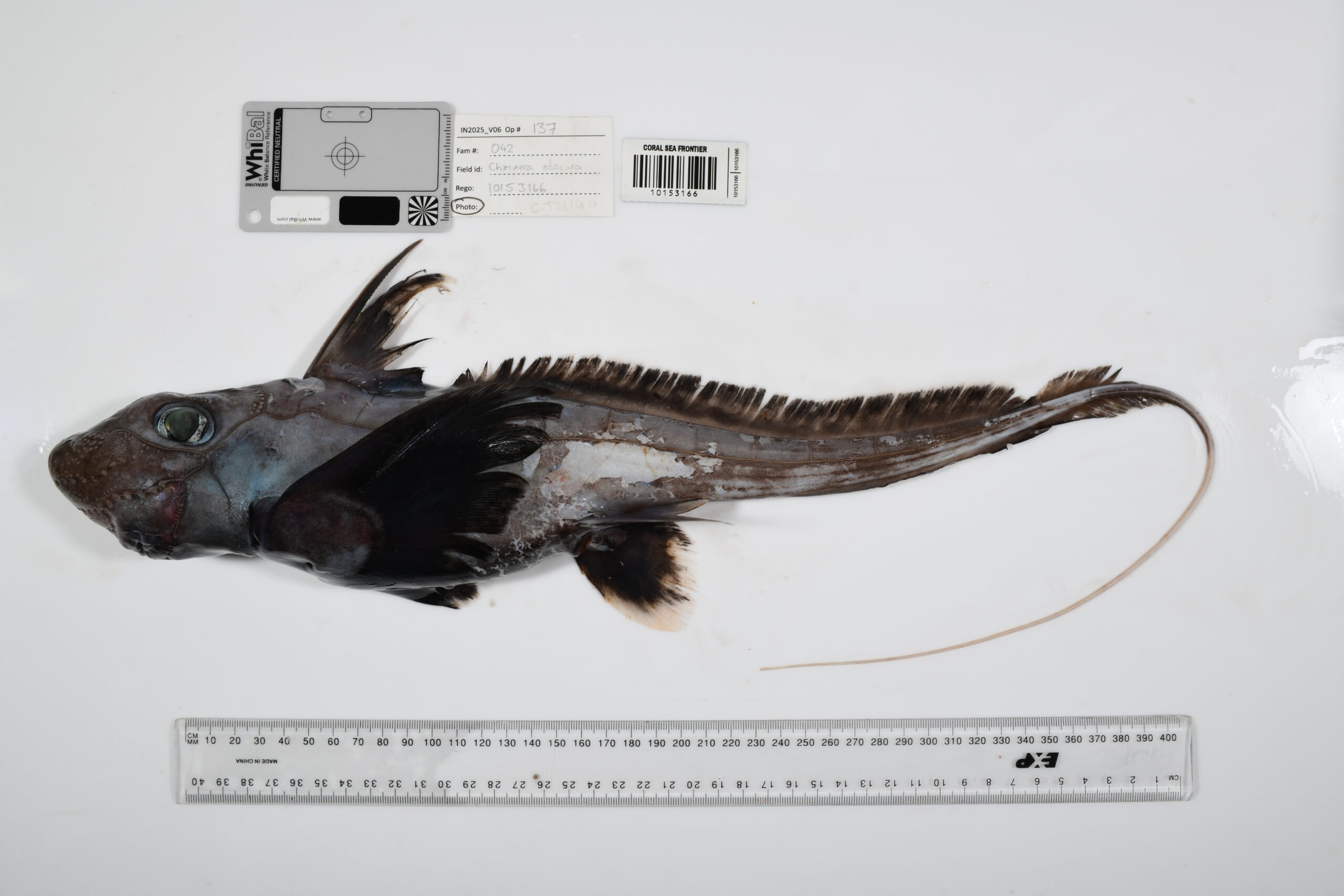
The Ocean Census network, a collaborative initiative involving institutions like CSIRO and the Nippon Foundation-Nekton, has documented 1,121 marine species thought to be new to science between April 2025 and March 2026. This volume of discoveries is sufficient to raise the normal global identification rate by 54%, highlighting a significant acceleration in taxonomic work. The candidates were sourced from expeditions, workshops, and collection backlogs across diverse habitats, from shallow reefs and sea caves to depths of 21,572 feet.
Despite this progress, the project emphasizes that these findings represent only a fraction of marine biodiversity. Estimates suggest that as much as 90% of marine species may remain undescribed. The "candidate" status of these species indicates they have been identified but have not yet undergone formal taxonomic description, a process that requires rigorous peer review and publication. This surge in discovery underscores the critical role of modern expeditions in cataloging life before it is potentially lost to environmental changes.
Research & Discoveries
Coral Reefs Losing Recovery Time
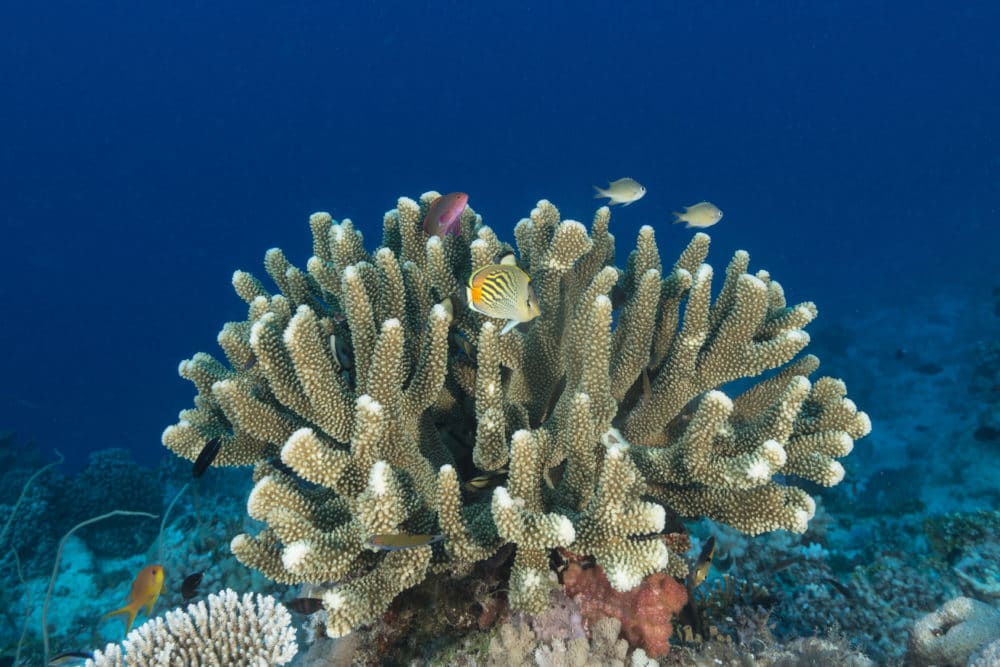
A new report warns that rising sea temperatures are preventing coral reefs from bouncing back between intense heat waves. The study highlights that the frequency of thermal stress events is outpacing the biological recovery capacity of reef systems. This finding is critical for understanding the trajectory of reef collapse under current climate scenarios.
Caribbean Coral Decline
Data presented in recent reports indicates that the Caribbean region has lost 43.4% of its live hard coral surface area over the last four decades. Despite this severe decline, researchers note that reefs are still resisting ocean warming to some extent. The key factor for regeneration remains controlling the rise in sea temperature; if warming is mitigated, reefs retain the capacity to recover.
Organic Pollutants in Marine Carbon Pool
Recent research published by Nature reveals that diverse classes of organic pollutants are widespread throughout the ocean and have become a significant component of the marine carbon pool. These pollutants continue to accumulate in ocean waters, posing challenges for tracking and mitigation efforts. The integration of synthetic pollutants into the carbon cycle represents a complex new variable in marine chemistry and ecology.
Ocean & Climate Watch
Global Coral Assessment Shows 10% Decline
The largest global assessment of coral reefs reveals a distressing decline of nearly 10% in live coral cover between 2020 and 2024. This period coincides with some of the most severe marine heatwaves on record. The assessment underscores the narrowing window for intervention, as warming oceans leave reefs with less time to recover from bleaching events.

Sewage Threats in Protected Areas
A new study finds that more than 70 percent of Marine Protected Areas (MPAs) are exposed to high levels of wastewater pollutants. This contamination makes corals and other marine life within these zones more vulnerable to the effects of climate change. The findings challenge the assumption that MPAs provide complete refuge from local stressors like sewage runoff.
Conservation & Policy
Identifying Climate-Resilient Reefs
Scientists have identified nearly 166,000 square kilometers (64,000 square miles) of coral reefs capable of surviving and recovering from climate change. This area is three times larger than previously estimated. These "refugia" are characterized by cooler currents and favorable conditions that help protect corals from the worst effects of global warming. Conservation efforts are increasingly focused on protecting these specific high-potential zones to maximize survival rates.

Marine Technology & Exploration
Schmidt Ocean Institute 2026 Expeditions
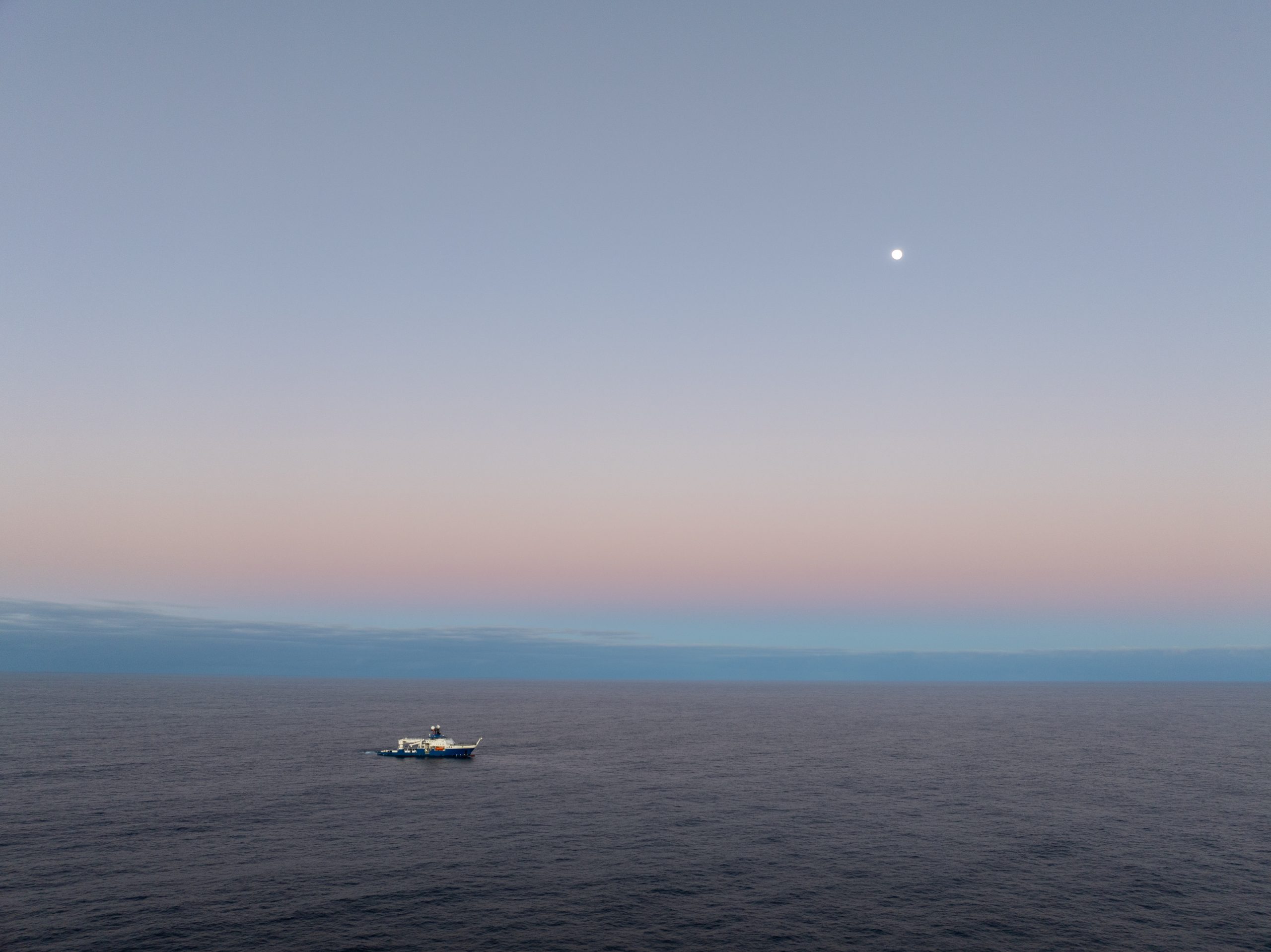
In 2026, the Schmidt Ocean Institute is continuing its exploration of the Southern Atlantic, one of the least explored marine regions on Earth. Using the research vessel Falkor (too), international teams are documenting biodiversity and studying physical, chemical, and geological phenomena off Brazil and at Mid-Atlantic seamounts. These missions utilize advanced mapping and imaging technologies to uncover deep-sea ecosystems.
What to Watch Next
- Formal Taxonomic Descriptions: Follow the formal publication of the 1,121 candidate species identified by the Ocean Census, which will validate their status as new to science.
- Coral Refugia Protection: Monitor policy developments aimed at specifically designating and protecting the newly identified 64,000 square miles of climate-resilient coral reefs.
- Deep Sea Mining Assessments: Watch for upcoming results from missions assessing whether deep-sea ecosystems can recover after potential mining activities, a topic gaining traction in regulatory circles.
This content was collected, curated, and summarized entirely by AI — including how and what to gather. It may contain inaccuracies. Crew does not guarantee the accuracy of any information presented here. Always verify facts on your own before acting on them. Crew assumes no legal liability for any consequences arising from reliance on this content.
Powered by
