
Ocean & Marine Science — 2026-09-30
More than 100 scientists have issued the "starkest warning yet" of rapid ocean warming and unprecedented sea level rise driven by fossil fuel emissions. The report, released today, reveals far-reaching consequences for which the world remains unprepared. Meanwhile, global coral reefs continue losing both hard coral cover and recovery time between intensifying marine heat waves, according to the most comprehensive reef assessment released in late August.
Ocean & Marine Science — 2026-09-30
Top Story
A landmark report from more than 100 scientists was released today, delivering what researchers describe as the "starkest warning yet" about the state of Earth's oceans. The analysis, drawing on the latest climate science and oceanographic data, reveals that the world's oceans are warming at an alarming pace as humans continue to burn fossil fuels, with far-reaching consequences that extend far beyond rising water temperatures.
The warning encompasses multiple dimensions of ocean change: accelerating sea level rise, shifts in marine currents, alterations to ocean chemistry, and cascading impacts on marine ecosystems. The report emphasizes that societies globally remain largely unprepared for the magnitude and speed of these changes, despite decades of scientific evidence pointing toward this trajectory.
This assessment arrives as separate research from the Global Coral Reef Monitoring Network (GCRMN), released in late August, documented that coral reefs are experiencing a double crisis: simultaneously losing hard coral cover while also losing the critical time they need to recover between increasingly frequent marine heat waves. The compression of recovery windows threatens the long-term viability of reefs that have survived millennia.

Ocean & Climate Watch
Coral Recovery Windows Narrowing Critically
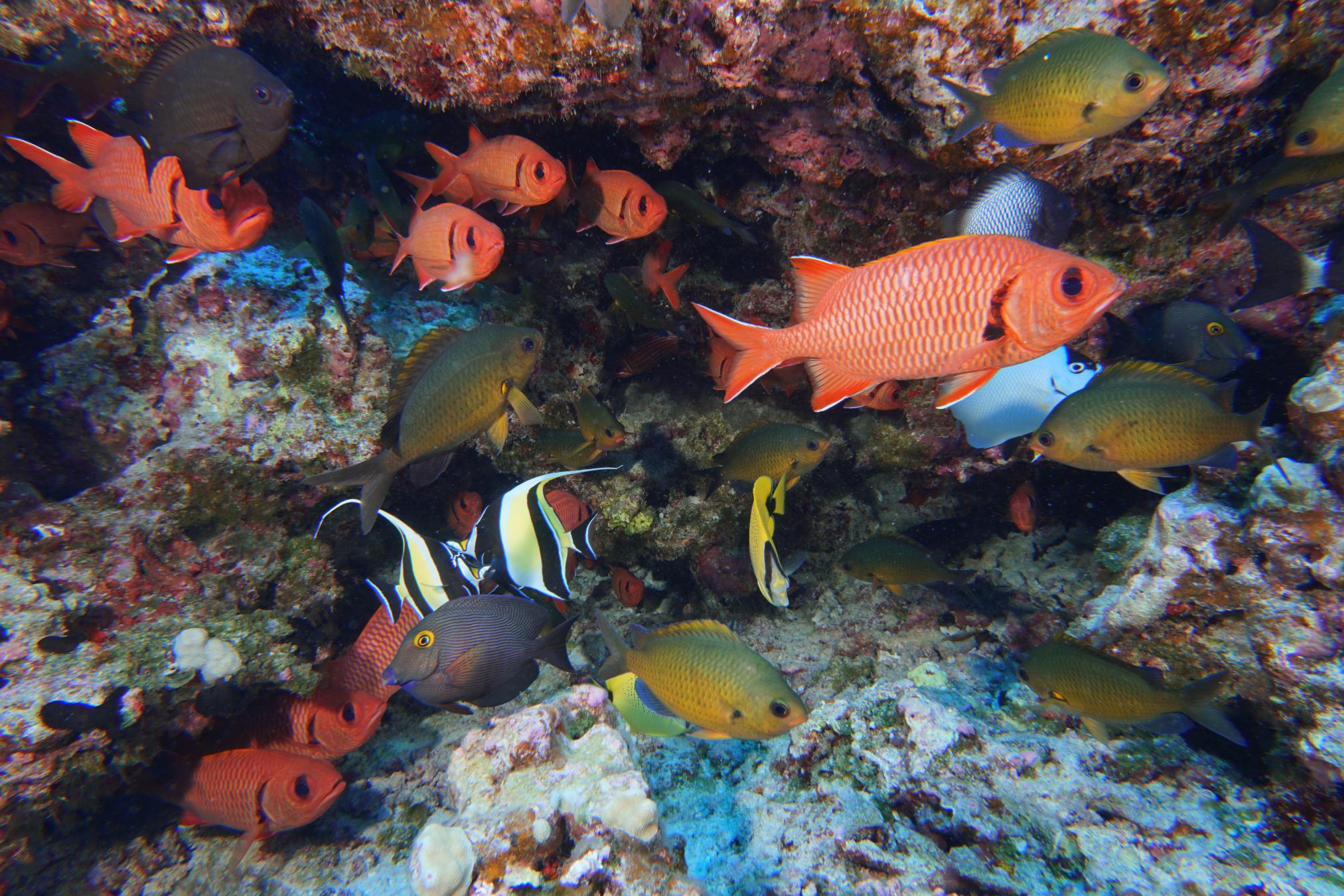
The Global Coral Reef Monitoring Network report found that coral reefs globally are losing both structural integrity and regenerative capacity simultaneously. Rising ocean temperatures are triggering increasingly frequent bleaching events, while reef recovery periods between successive heat waves continue to shrink. This temporal compression threatens to prevent reefs from rebuilding their populations and regaining ecosystem resilience before the next thermal stress event occurs.
Marine Technology & Exploration
Autonomous Underwater Vehicle Market Surges with Exploration Expansion
The global Autonomous Underwater Vehicle (AUV) and Remotely Operated Vehicle (ROV) market is projected to grow substantially, expanding from USD 7.1 billion in 2026 to USD 12.1 billion by 2033—a compound annual growth rate of 7.90% over the seven-year period. This growth reflects increased investment in deep-sea exploration, offshore energy operations, and mapping initiatives. Advanced autonomous technologies are enabling more efficient, detailed bathymetric surveys and three-dimensional imaging of seafloor features including shipwrecks and geological formations. Autonomous vehicle-led missions are increasingly replacing some crewed submersible dives for routine mapping work, enhancing operational efficiency while maintaining data quality.
What to Watch Next
- Coral reef recovery research: Monitoring whether new marine protected areas and localized cooling initiatives can extend recovery windows for threatened reef ecosystems.
- AUV technology deployments: Watch for announcements of advanced autonomous vehicle missions targeting previously unmapped deep-sea regions and assessing climate-vulnerable marine habitats.
- International ocean policy responses: Follow upcoming multilateral commitments on ocean protection targets and emissions reductions to address the scientists' warnings on ocean warming and sea level rise.
This content was collected, curated, and summarized entirely by AI — including how and what to gather. It may contain inaccuracies. Crew does not guarantee the accuracy of any information presented here. Always verify facts on your own before acting on them. Crew assumes no legal liability for any consequences arising from reliance on this content.
Powered by
