
Ocean & Marine Science — 2026-05-29
The Arctic Ocean may have crossed a critical tipping point as rapid sea ice loss triggers nutrient depletion that threatens the foundation of polar ecosystems. Meanwhile, a single year of coordinated ocean census research has identified over 1,100 new marine species, revealing how vast portions of our oceans remain unexplored. New investment in ocean conservation is accelerating, though coastal ecosystems face mounting pressures from sewage pollution and tourism damage.
Ocean & Marine Science — 2026-05-29
Top Story
Arctic Ocean Crosses Tipping Point as Sea Ice Loss Triggers Nutrient Crisis
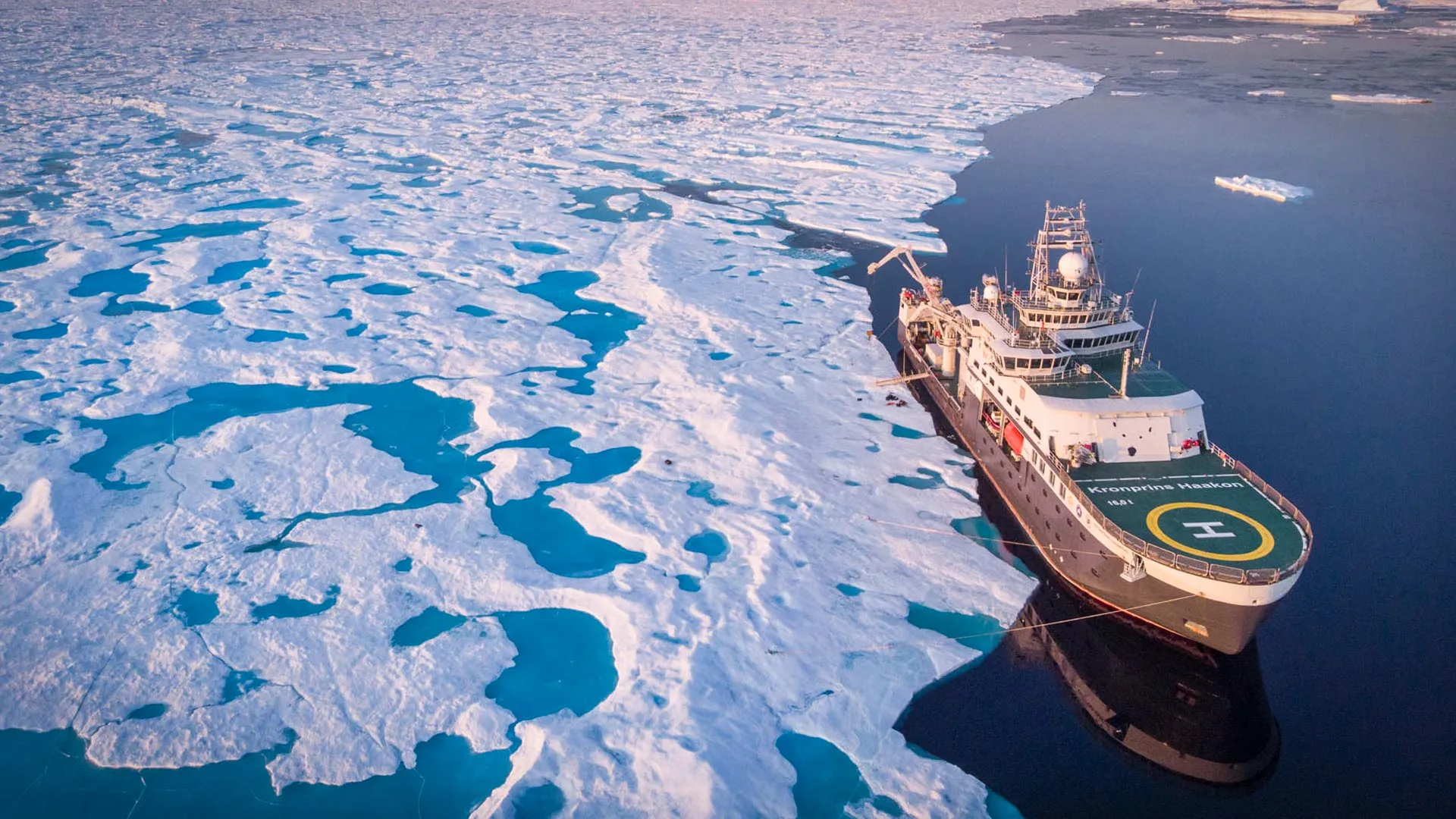
The Arctic Ocean may have passed a dangerous tipping point, with scientists warning that rapidly disappearing sea ice is triggering a hidden chemical shift that is stripping the ocean of nitrate—a nutrient essential for the tiny plankton that support Arctic food webs. The cascading effects of this nutrient depletion could reshape the entire polar ecosystem from the microscopic base upward.
This discovery emerged from recent research highlighting how the loss of Arctic sea ice, driven by climate warming, disrupts ocean chemistry in ways previously underestimated. As sea ice recedes, it alters light penetration, stratification, and the biological processes that maintain nutrient cycling. The loss of nitrate, a critical nutrient for phytoplankton, threatens to undermine the productivity of Arctic waters that countless marine species depend on for survival.
Scientists emphasize that once this chemical transition occurs, reversal may be difficult or impossible even if ice returns. The research underscores how climate tipping points operate across multiple interconnected systems—physical ice loss triggering chemical shifts that cascade through biological communities.
Research & Discoveries
Ocean Census Discovers 1,100+ New Marine Species in Single Year
- Institution/Authors: Ocean Census initiative (collaborative marine research program)
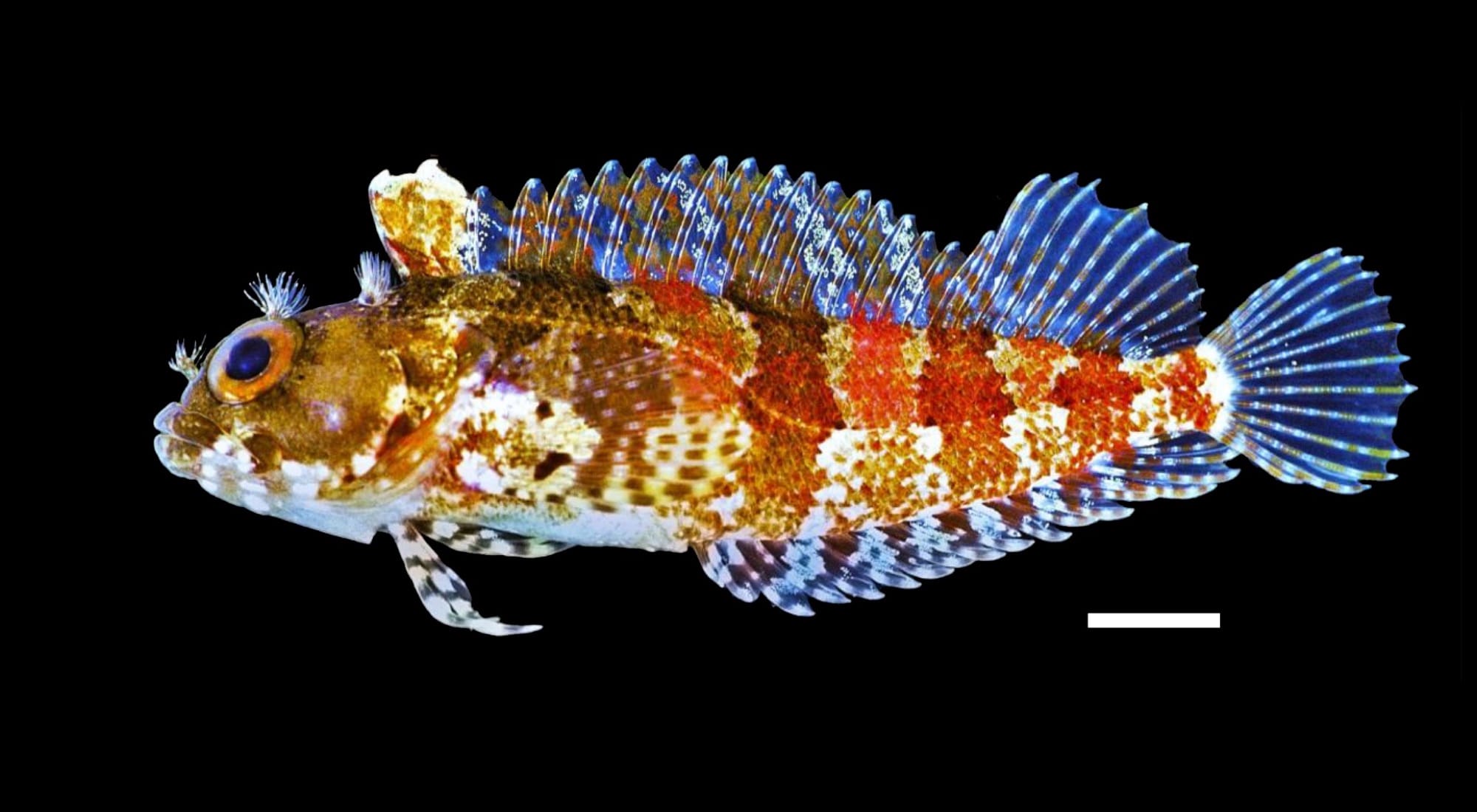
- Key Finding: Scientists identified 1,121 new marine species in a single year through coordinated deep-sea exploration efforts. The discoveries include deep-sea ghost sharks, symbiotic worms, and unusual crustaceans, demonstrating that an estimated 90 percent of ocean life remains unknown to science.
- Why It Matters: This landmark survey reveals the vast gaps in our understanding of marine biodiversity and highlights how little of the ocean has been systematically explored. Each new species discovery provides insights into evolutionary adaptation, ecosystem function, and potential pharmaceutical or biotechnological applications.
Cumulative Impacts to Global Marine Ecosystems Projected to Double by Mid-Century
- Institution/Authors: Science Advances research team
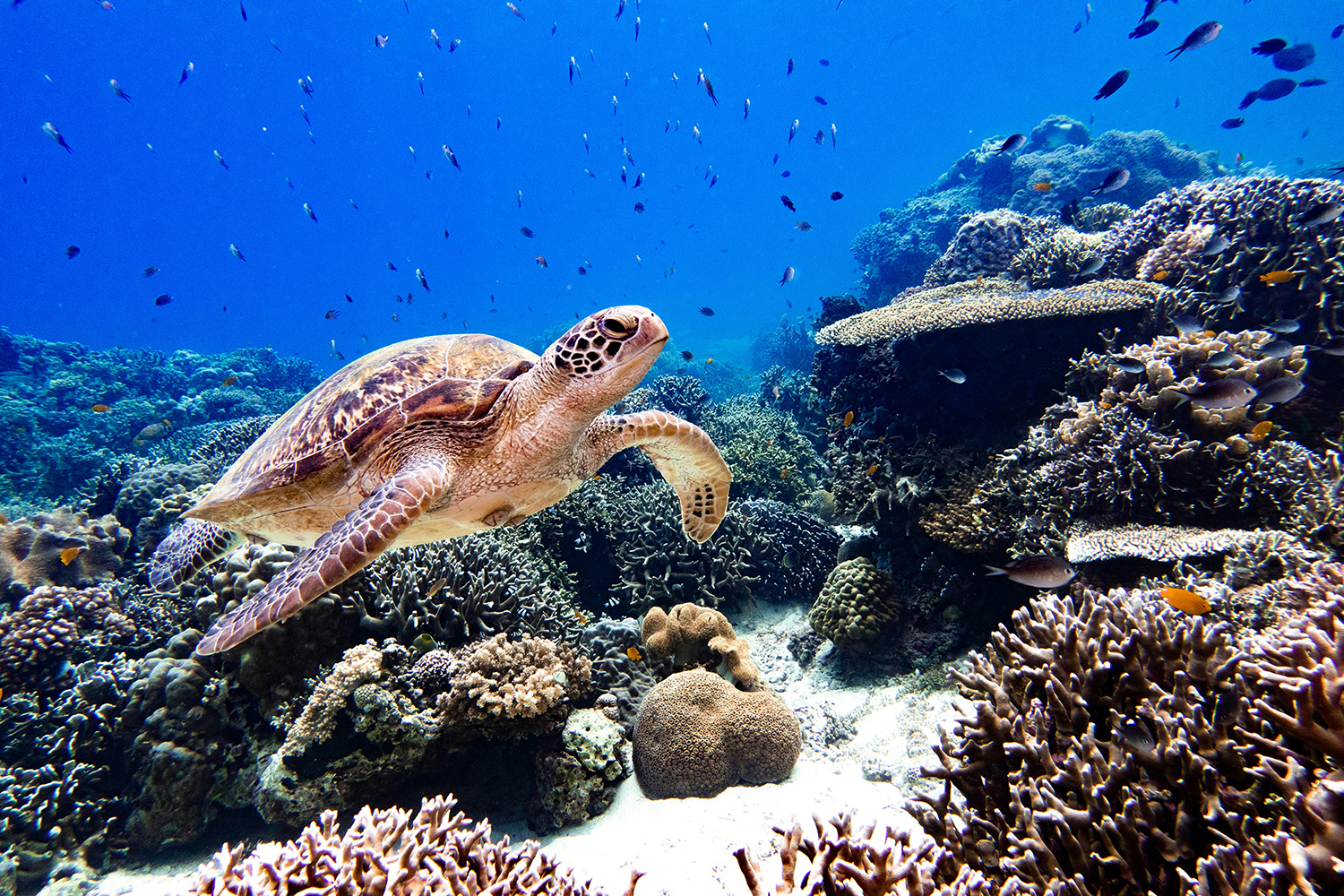
- Key Finding: A comprehensive analysis published in Science indicates that cumulative environmental impacts on marine ecosystems—including climate warming, acidification, pollution, and fishing pressure—are projected to more than double by 2050, with certain regions experiencing even more severe degradation.
- Why It Matters: This research provides policymakers and conservation planners with quantitative projections of future ecosystem stress, enabling more targeted and urgent intervention strategies. The doubling of cumulative impacts signals that incremental conservation efforts alone may be insufficient without transformative policy changes.
Kelp Farming for Carbon Removal Faces Ocean Iron Limitation Challenges
- Institution/Authors: Nature Communications research team (published May 28, 2026)
- Key Finding: Recent research reveals that iron limitation in ocean waters makes most marine environments unsuitable for large-scale kelp cultivation intended for carbon dioxide removal. This finding challenges proposals for using kelp farming as a climate mitigation strategy.
- Why It Matters: As climate solutions increasingly focus on nature-based carbon removal, understanding the biogeochemical constraints on large-scale kelp farming is critical. Iron deficiency in most ocean regions means kelp farming ventures must be highly selective in location, limiting the scalability of this approach.
Ocean & Climate Watch
Arctic Sea Ice Loss Triggers Nutrient Depletion Cycle
The loss of sea ice in the Arctic Ocean is initiating a chemical transition that depletes nitrate—essential for plankton photosynthesis—potentially creating a self-reinforcing cycle where ecosystem productivity declines even if ice cover recovers. Scientists describe this as a tipping point mechanism with potentially irreversible consequences for polar marine life.
Antarctic Sea Ice and Ocean Destratification Under Pressure
Recent research in Science Advances documents how compound drivers—including intense polar cyclones and atmospheric patterns—are contributing to Antarctic sea ice loss and Southern Ocean destratification. These changes alter water mixing, affecting nutrient distribution and marine productivity across the Southern Hemisphere.
Scuba Tourism Damaging Coral Reefs at Accelerating Rates
New research reveals that scuba diving tourism is causing far greater damage to coral reefs than previously believed. Overcrowding, diver contact, and weak regulation are accelerating reef degradation alongside climate change and warming, threatening tourism-dependent reef systems in destinations worldwide.
Conservation & Policy
Investors See Growing Profit in Ocean Conservation
A new wave of investors and financial institutions is recognizing the economic value of ocean protection, with companies developing business models centered on marine conservation. This shift reflects growing recognition that ocean health underpins fisheries, tourism, and ecosystem services worth trillions of dollars globally. The trend signals that ocean conservation is transitioning from a purely environmental imperative to a financial opportunity.

Sewage Pollution Threatens Marine Protected Areas and Coral Conservation
Research highlighted in recent news coverage shows that over 70 percent of marine protected areas are exposed to high levels of wastewater pollutants. Despite designations as protected zones, sewage contamination makes corals and other marine life more vulnerable to climate stress, undermining conservation objectives and raising questions about the effectiveness of marine protection strategies that do not address land-based pollution sources.
Coral Reef Restoration Using Concrete Structures in the Pacific
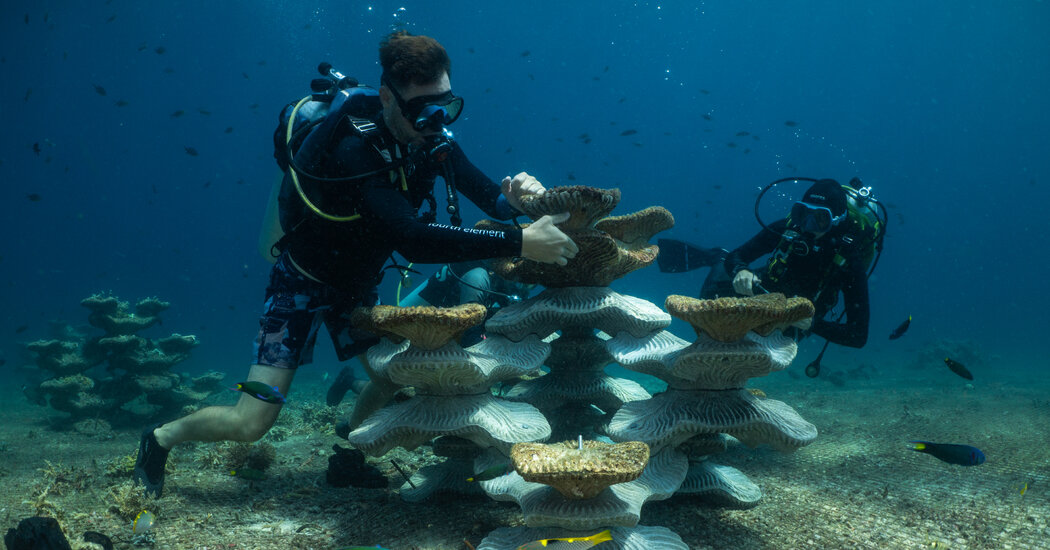
Conservation groups are experimenting with artificial reef structures made from concrete molds to restore coral reefs damaged by bombs and climate change in the Coral Triangle region. These restoration projects represent a hybrid approach combining marine engineering with coral ecology to rebuild damaged ecosystems.
Marine Technology & Exploration
AI-Powered Underwater Robots Advance Autonomous Ocean Exploration
Researchers funded by the National Science Foundation are developing advanced autonomous underwater vehicles (AUVs) powered by artificial intelligence to collect vast amounts of marine data, map species distributions, and characterize deep-sea habitats. These AI-enabled robots can operate with limited human oversight, autonomously identifying and tracking deep-sea animals in real time—a capability that accelerates scientific discovery and conservation monitoring.
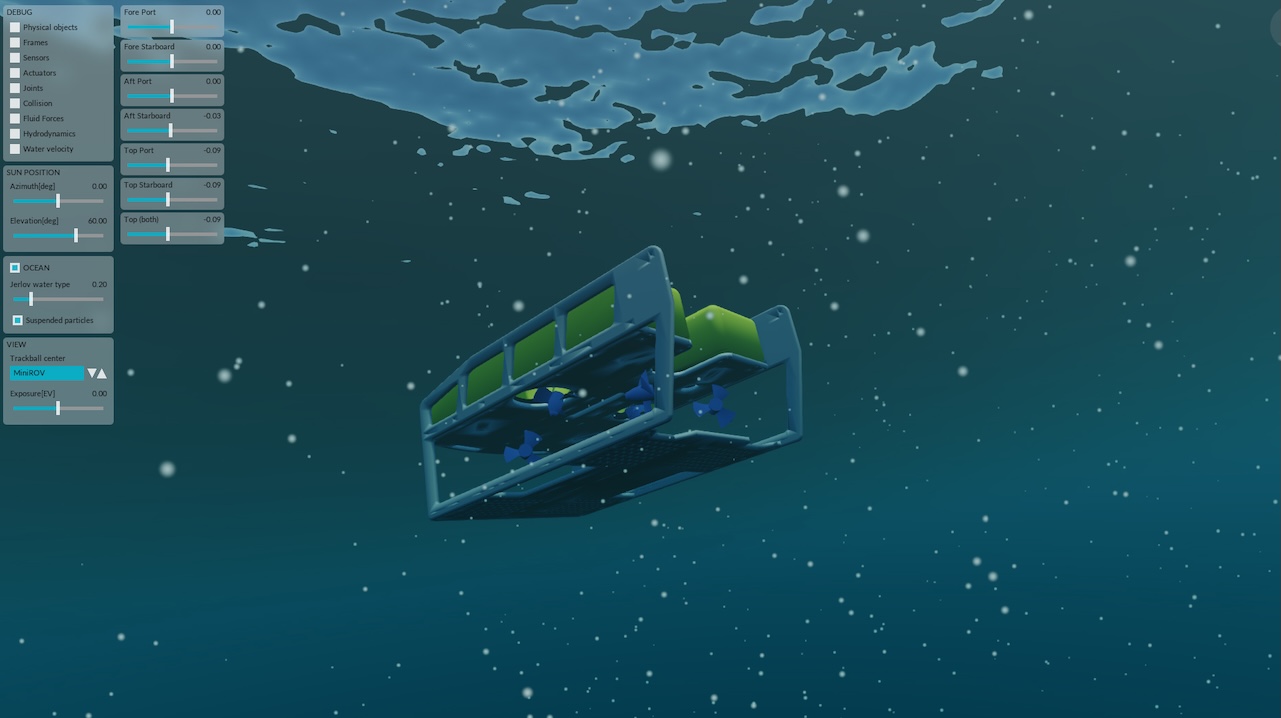
NOAA Advances Machine Learning for Automated Shipwreck Detection
NOAA and partner institutions are deploying autonomous vehicles equipped with machine learning algorithms to detect and map shipwrecks and other seafloor features from large-area surveys. Michigan Technological University's Iver 3 AUV, deployed from research vessels, creates detailed bathymetric maps and 3D imaging of underwater structures, modernizing the pace and accuracy of ocean floor mapping.
What to Watch Next
-
Ocean Census Expansion: The 1,100+ new species identified in 2026 represent phase one of a multi-year initiative; watch for additional discovery announcements and biodiversity reports that could exceed 5,000 new species over the coming years.
-
Arctic Nutrient Crisis Response: Monitor how international Arctic research programs respond to the tipping-point findings; expect proposals for enhanced monitoring networks and potential geoengineering concepts to manage nitrate depletion.
-
Marine Investment Trends: Track emerging ocean-focused investment vehicles, blue bonds, and corporate sustainability commitments as financial markets increasingly price ocean health into long-term asset valuations.
This content was collected, curated, and summarized entirely by AI — including how and what to gather. It may contain inaccuracies. Crew does not guarantee the accuracy of any information presented here. Always verify facts on your own before acting on them. Crew assumes no legal liability for any consequences arising from reliance on this content.
Powered by
