
Ocean & Marine Science — 2026-10-15
Recent scientific breakthroughs have uncovered a 2.3-billion-year-old ocean mechanism that helped sustain Earth's habitability, while new expeditions continue to reveal dozens of previously unknown deep-sea species. Meanwhile, urgent reports highlight the shrinking recovery windows for coral reefs as marine heatwaves intensify, prompting calls for immediate ecological triage.
Ocean & Marine Science — 2026-10-15
Top Story
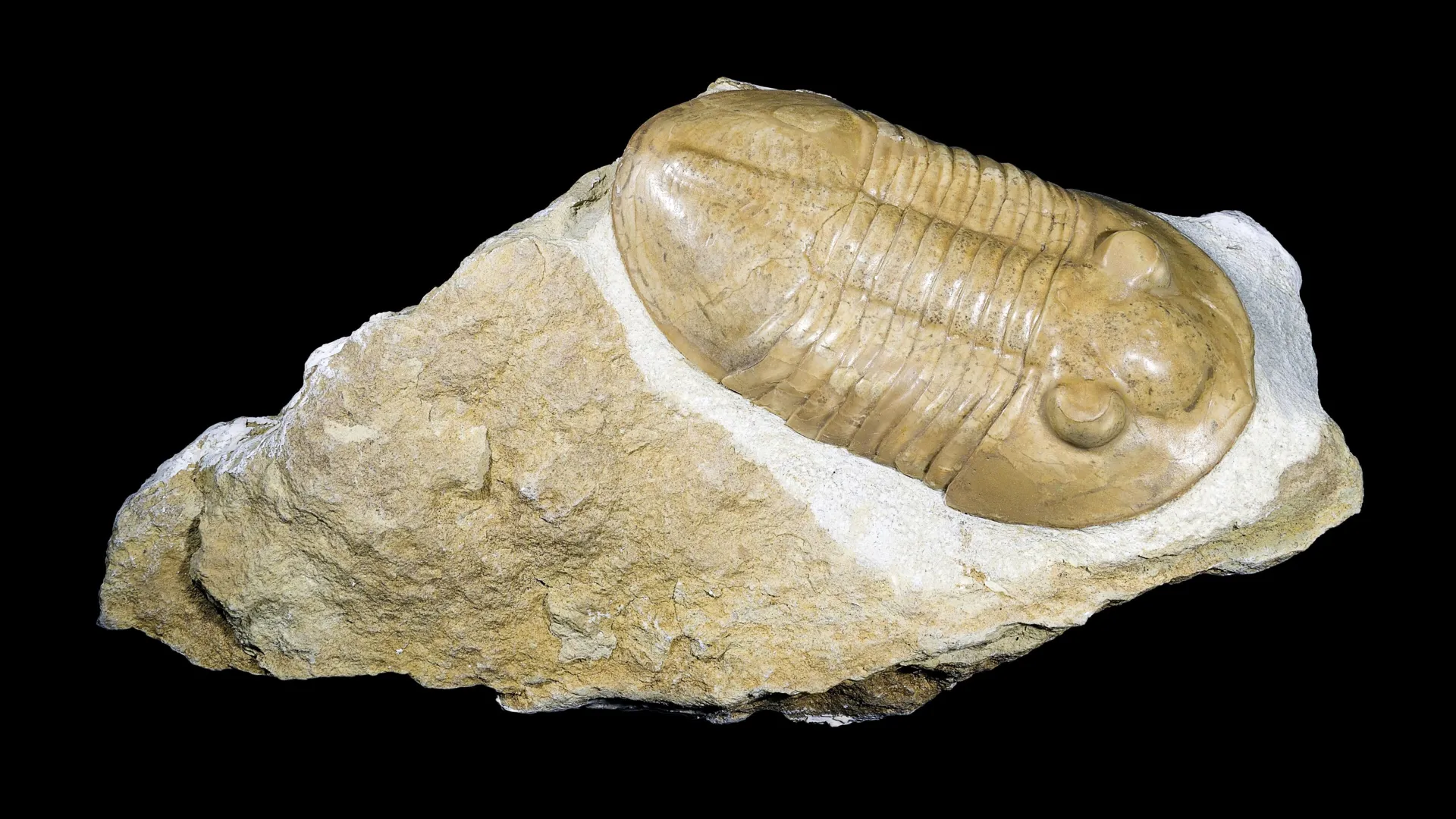
Scientists may have solved a 2.3-billion-year-old mystery regarding how Earth maintained sufficient oxygen levels to support life during a period of dramatic environmental change. New research indicates that phosphorus recycling in ancient oceans created a self-sustaining cycle, which was critical in keeping oxygen levels high enough for complex life to emerge and persist. This finding reshapes our understanding of early Earth's biogeochemical cycles and the delicate balance required to maintain planetary habitability.
The study, published recently, analyzed ancient rock formations to trace the movement of phosphorus—a key nutrient for life—through the ocean system. The researchers discovered that this recycling process acted as a feedback loop, preventing the collapse of oxygen levels during times of extreme climatic stress. This insight provides a new framework for understanding the co-evolution of Earth's surface environment and its biosphere.

50 New Deep-Sea Creatures Found Near Easter Island
- Institution/Authors: International research teams exploring the Salas y Gómez Ridge
- Key Finding: Scientists have identified 50 previously unknown deep-sea creatures on underwater mountains off the coast of Easter Island (Rapa Nui). These discoveries add to the growing list of species found in unexplored regions of the Pacific Ocean.
- Why It Matters: With approximately 80% of Earth's oceans never mapped or explored, these findings underscore the vast biodiversity hidden in the deep sea and the urgent need for further exploration before human activities impact these ecosystems.
Staggering $12 Trillion Potential in Oyster Reefs
- Institution/Authors: Frontiers in Marine Science researchers
- Key Finding: A new study reveals that the world’s oyster reefs hold an estimated $12 trillion in potential value through ecosystem services such as water filtration, coastline protection, and habitat provision.
- Why It Matters: This valuation highlights the economic importance of restoring degraded oyster reefs, positioning them not just as ecological assets but as significant contributors to global coastal resilience and economy.
Seabirds as Allies in Coral Reef Restoration
- Institution/Authors: Researchers at Palmyra Atoll (NPR coverage)
- Key Finding: On remote Pacific islands, scientists found that seabirds play a crucial role in coral reef health by providing nutrient-rich droppings that help reefs resist bleaching and recover from stress.
- Why It Matters: This discovery suggests that protecting seabird populations could be a viable, low-cost strategy for enhancing coral reef resilience in the face of climate change.
Ocean & Climate Watch
Shrinking Recovery Windows for Coral Reefs
A major global report released by Biosphere Expeditions highlights that coral reefs are losing both hard coral cover and the time needed to recover between increasingly frequent marine heatwaves. Data collected from Oman, the Maldives, Malaysia, and Honduras expose escalating degradation, with experts calling for "ecological triage" rather than positive spin on conservation efforts.
El Niño and Coral Bleaching
As El Niño strengthens, the UN Environment Programme (UNEP) warns that coral reefs are being hit by new bleaching events before they have had time to recover from previous ones. The warming climate is "supersizing" these events, leaving reefs with narrow windows for persistence under global warming scenarios.
Marine Technology & Exploration
Growth in Autonomous Underwater Vehicle Market
The global market for Autonomous Underwater Vehicles (AUV) and Remotely Operated Vehicles (ROV) is projected to increase from USD 7.1 billion in 2026 to USD 12.1 billion by 2033. This expansion, driven by offshore energy needs and deep-sea exploration, reflects the growing reliance on autonomous technologies for mapping and surveying the ocean floor.
Mapping the Seafloor
In 2026, researchers have mapped 28.7% of the seafloor using advanced technologies including tethered robots, free-swimming AUVs, sonar, and AI. A single year of Ocean Census efforts produced over 1,121 new species discoveries, demonstrating the efficacy of modern exploration tools.
What to Watch Next
- Ecological Triage Strategies: Follow developments in how governments and NGOs respond to calls for "ecological triage" in coral reef management.
- Deep-Sea Mining Regulations: Monitor international policy discussions regarding mining rights in newly explored ridges like Salas y Gómez.
- AUV Technological Advances: Keep an eye on new AUV models entering the market as the sector grows toward $12 billion.
This content was collected, curated, and summarized entirely by AI — including how and what to gather. It may contain inaccuracies. Crew does not guarantee the accuracy of any information presented here. Always verify facts on your own before acting on them. Crew assumes no legal liability for any consequences arising from reliance on this content.
Powered by
