
Ocean & Marine Science — 2026-11-05
A landmark global assessment released this week warns that 96% of shallow-water coral reef ecosystems face a high risk of collapse by 2075 due to warming oceans. Concurrently, the World Meteorological Organization published its 2026 Status Report, identifying critical gaps in global ocean monitoring capacity needed to track these accelerating climate impacts.
Ocean & Marine Science — 2026-11-05
Top Story
96% of Shallow Coral Reefs Classified as Critically Endangered
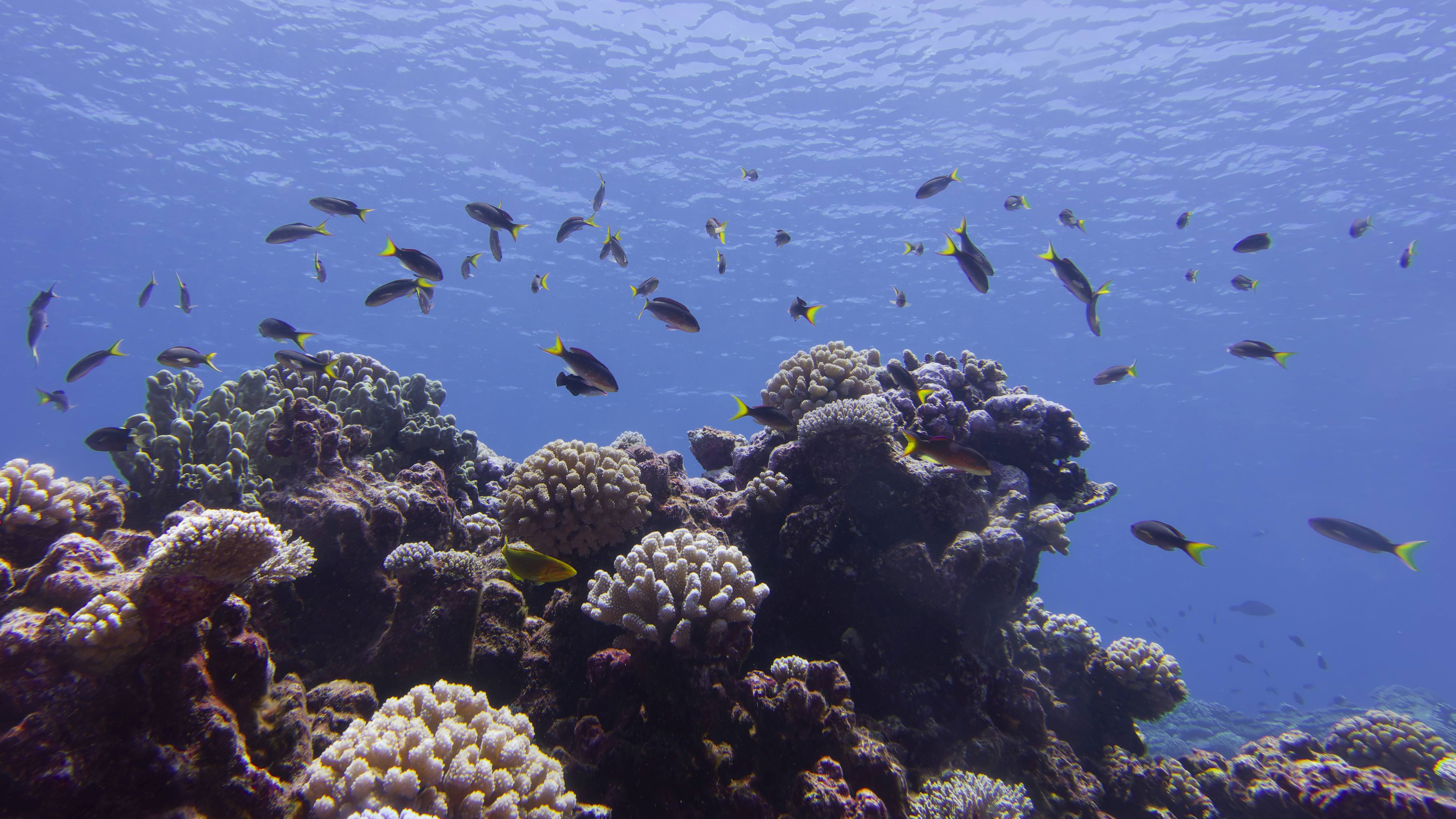
In a stark new assessment, the International Union for Conservation of Nature (IUCN) has classified 96% of the world's shallow-water coral reef ecosystems as "Critically Endangered," with nearly every assessed system facing an extremely high risk of collapse within the next 50 years. This is the first time coral reefs have been evaluated under the IUCN Red List of Ecosystems, a framework that assesses entire ecological communities rather than individual species. The assessment covers 127 coral reef ecosystems across more than 80 countries and territories, including Australia’s Great Barrier Reef.
The primary drivers identified for this impending collapse are ocean warming and increasingly frequent marine heatwaves. The report highlights that reefs are not only losing hard coral cover but also losing the critical recovery time needed between heat stress events. Without significant intervention to slow global warming, these vital ecosystems, which support approximately 25% of all marine life, could functionally disappear by 2075.
Experts emphasize that while the situation is dire, it is not yet irreversible. The assessment serves as a final warning that immediate and drastic reductions in greenhouse gas emissions are required to preserve any substantial portion of global reef biodiversity. The findings have prompted urgent calls for enhanced local conservation measures, such as reducing pollution and overfishing, to bolster reef resilience against global climate stressors.
Research & Discoveries
Global Ocean Observing System Status Report 2026
- Institution: World Meteorological Organization (WMO)
- Key Finding: The newly released 2026 status report highlights progress in strengthening global ocean monitoring capabilities but identifies significant remaining gaps and risks. The ocean's role in regulating climate means that current observing systems are insufficient to fully capture the pace of change.
- Why It Matters: Accurate, long-term monitoring is essential for validating climate models and informing policy. The report underscores that without closing these data gaps, predictions on sea-level rise and extreme weather events remain uncertain.
Deep-Sea Mining and Larval Connectivity
- Institution: Nature Ecology & Evolution (via Nature)
- Key Finding: Modeling of larval dispersal pathways reveals that existing protected deep-sea areas lack sufficient connectivity to replenish one another. The study suggests that strategically placed protected corridors are needed to link these areas, particularly in abyssal ecosystems threatened by potential deep-sea mining.
- Why It Matters: As interest in deep-sea mineral resources grows, understanding biological connectivity is crucial for designing effective marine protected areas (MPAs) that can sustain biodiversity in the face of industrial disturbance.
Ocean & Climate Watch
Accelerating Recovery Time Loss
Recent data from the Global Coral Reef Monitoring Network (GCRMN), referenced in recent assessments, indicates that reefs are getting less time to recover between marine heatwaves. The frequency of these heat events is outpacing the natural regeneration cycles of hard corals, leading to a net loss in coral cover globally.
Federal Fleet Oversight
The Congressional Research Service recently issued a report to Congress regarding the federal fleet of oceanographic research vessels. The report highlights that these vessels are primary tools for advancing knowledge of the ocean system, noting issues related to their maintenance, funding, and capacity to meet growing scientific demands.
Conservation & Policy
IUCN Red List of Ecosystems Framework
The inclusion of coral reefs in the IUCN Red List of Ecosystems marks a shift in conservation policy from species-centric to ecosystem-centric assessments. This framework allows policymakers to quantify the risk of ecosystem collapse, providing a standardized metric for comparing threats across different biomes.
Deep-Sea Protection Corridors
Proposals for protected corridors linking isolated deep-sea MPAs are gaining traction as a necessary policy evolution. Current static protection zones are insufficient for maintaining genetic diversity and population stability in abyssal plains, prompting calls for dynamic management approaches.
Marine Technology & Exploration
Autonomous Underwater Vehicles (AUVs) in Exploration
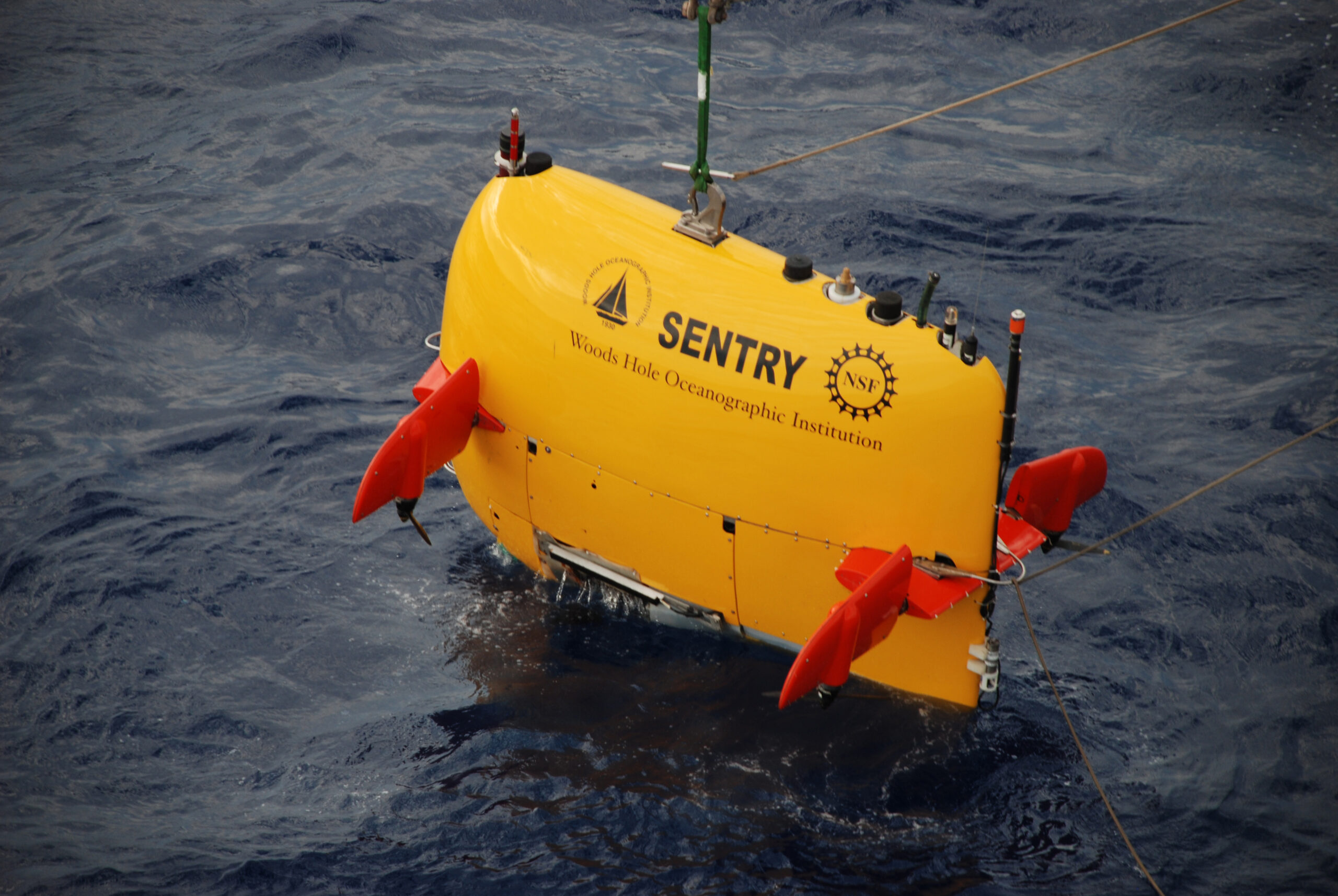
Autonomous Underwater Vehicles continue to replace crewed submersibles for long-duration mapping and survey work. Recent reviews highlight AUVs' advantages in autonomy, flexibility, and efficiency, allowing for extensive seafloor mapping without the logistical constraints of ship-based operations.
NOAA Ocean Exploration 2026 Campaign
NOAA's 2026 exploration campaign spans the globe, focusing on previously unknown areas of the ocean. These expeditions aim to make discoveries of scientific, economic, and cultural value while supporting innovations in exploration tools and capabilities, including advanced sensors and AI-driven data analysis.
What to Watch Next
- Policy Responses to IUCN Report: Monitor international climate negotiations for specific funding commitments or regulatory changes aimed at mitigating ocean warming and protecting reef resilience.
- Deep-Sea Mining Moratorium Debates: Watch for legislative updates regarding the establishment of protected corridors and moratoriums on deep-sea mining, driven by new connectivity research.
- WMO Monitoring Investments: Track announcements from member states regarding increased investment in the Global Ocean Observing System to address the gaps identified in the 2026 report.
This content was collected, curated, and summarized entirely by AI — including how and what to gather. It may contain inaccuracies. Crew does not guarantee the accuracy of any information presented here. Always verify facts on your own before acting on them. Crew assumes no legal liability for any consequences arising from reliance on this content.
Powered by
