
Ocean & Marine Science — 2026-06-12
A landmark study reveals that human-driven sea-level rise has quadrupled coastal flooding frequency since 1900, fundamentally reshaping coastal risks. Meanwhile, NPR reports on a newly discovered whale graveyard on the ocean floor, adding to mounting evidence of profound changes in Arctic ecosystems and marine life dynamics.
Ocean & Marine Science — 2026-06-12
Top Story
Human-Driven Sea-Level Rise Quadruples Coastal Flooding Risk
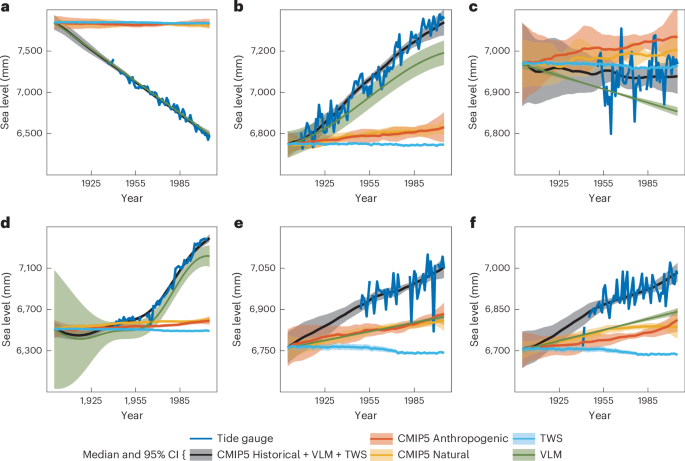
A new study published in Nature Climate Change (2 days ago) demonstrates that human-induced sea-level rise has dramatically accelerated the frequency of dangerous coastal sea-level extremes. The research reveals that extreme sea-level events—which occurred rarely in the preindustrial era—now happen with four times greater frequency along coastlines worldwide. This represents a fundamental shift in coastal hazard profiles for cities and communities that depend on predictable tidal patterns.
The study highlights how rising mean sea levels interact with natural coastal variability to create compound flooding risks. Even modest increases in baseline ocean level significantly amplify the likelihood that normal tidal cycles will exceed historical thresholds, turning once-rare events into routine occurrences. This has major implications for infrastructure planning, insurance, and adaptation strategies in low-lying coastal zones.
The findings underscore the urgency of coastal adaptation measures and emissions reduction. Scientists emphasize that without rapid mitigation, coastal communities face accelerating disruption to shipping, fisheries, freshwater aquifers, and urban settlements already stressed by other climate impacts.
Research & Discoveries
Whale Graveyard Discovery Reveals Deep-Sea Ecosystem Dynamics
- Institution/Authors: NPR Short Wave team
- Key Finding: Scientists have identified a whale graveyard on the ocean floor, uncovering evidence of how marine megafauna mortality shapes deep-sea communities. This discovery provides rare insight into whale fall ecosystems and the nutrient cycling that supports unique bottom-dwelling organisms.
- Why It Matters: Whale falls are critical "oases" on the seafloor, sustaining specialized bacterial and invertebrate communities. Understanding their spatial distribution and frequency informs conservation strategies for whales and reveals how apex predators structure abyssal ecosystems.
Fish Microbiomes May Shape Ocean Chemistry
- Institution/Authors: Anthony Bonacolta (formerly) at University of Miami Rosenstiel School
- Key Finding: Research suggests that tiny microbes living inside fish are actively influencing the chemistry of the world's oceans, potentially controlling nutrient cycles and nutrient availability at scales previously underestimated.
- Why It Matters: If fish-associated microbes are significant biogeochemical agents, this fundamentally changes how we model ocean productivity, nutrient transport, and the role of marine fauna in global element cycles.

Ocean & Climate Watch
Arctic Ocean Crosses Dangerous Tipping Point
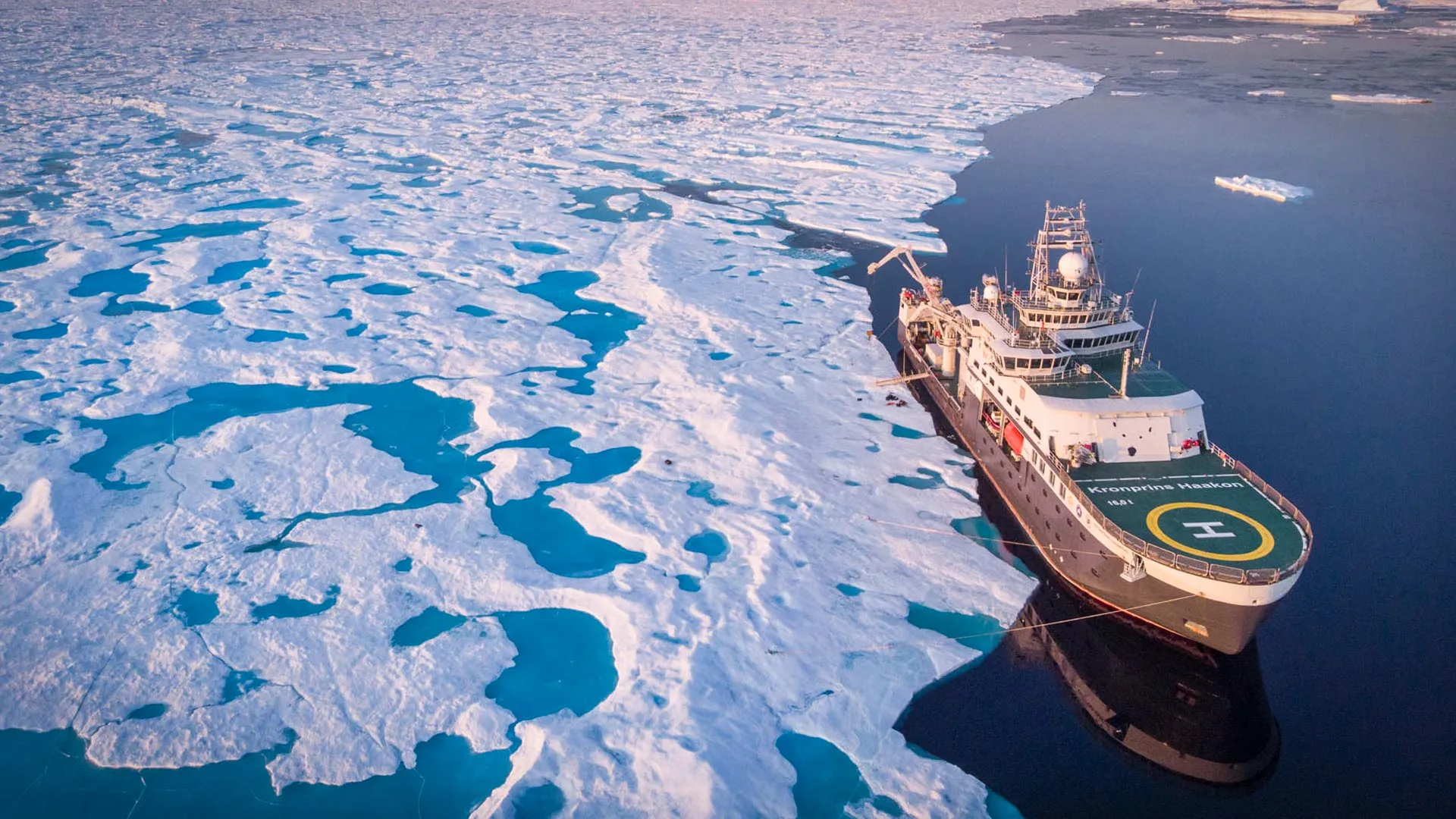
The Arctic Ocean may have crossed a critical tipping point, with rapid sea-ice loss triggering a hidden chemical shift that is stripping the ocean of nitrate—an essential nutrient for tiny plankton that support Arctic food webs. Scientists warn this chemical change could cascade through Arctic ecosystems with unpredictable consequences for marine life dependent on primary productivity.
World Oceans Day 2026 Highlights Carbon Storage Role
Marking World Oceans Day on June 8, 2026, ocean scientists emphasized that the ocean serves as a massive carbon sink, storing approximately 30% of atmospheric CO₂. This critical function underscores the ocean's role in climate regulation and the importance of protecting marine ecosystems to preserve this vital service.
Conservation & Policy
World Ocean Day 2026 Focuses on Strong Marine Protected Areas
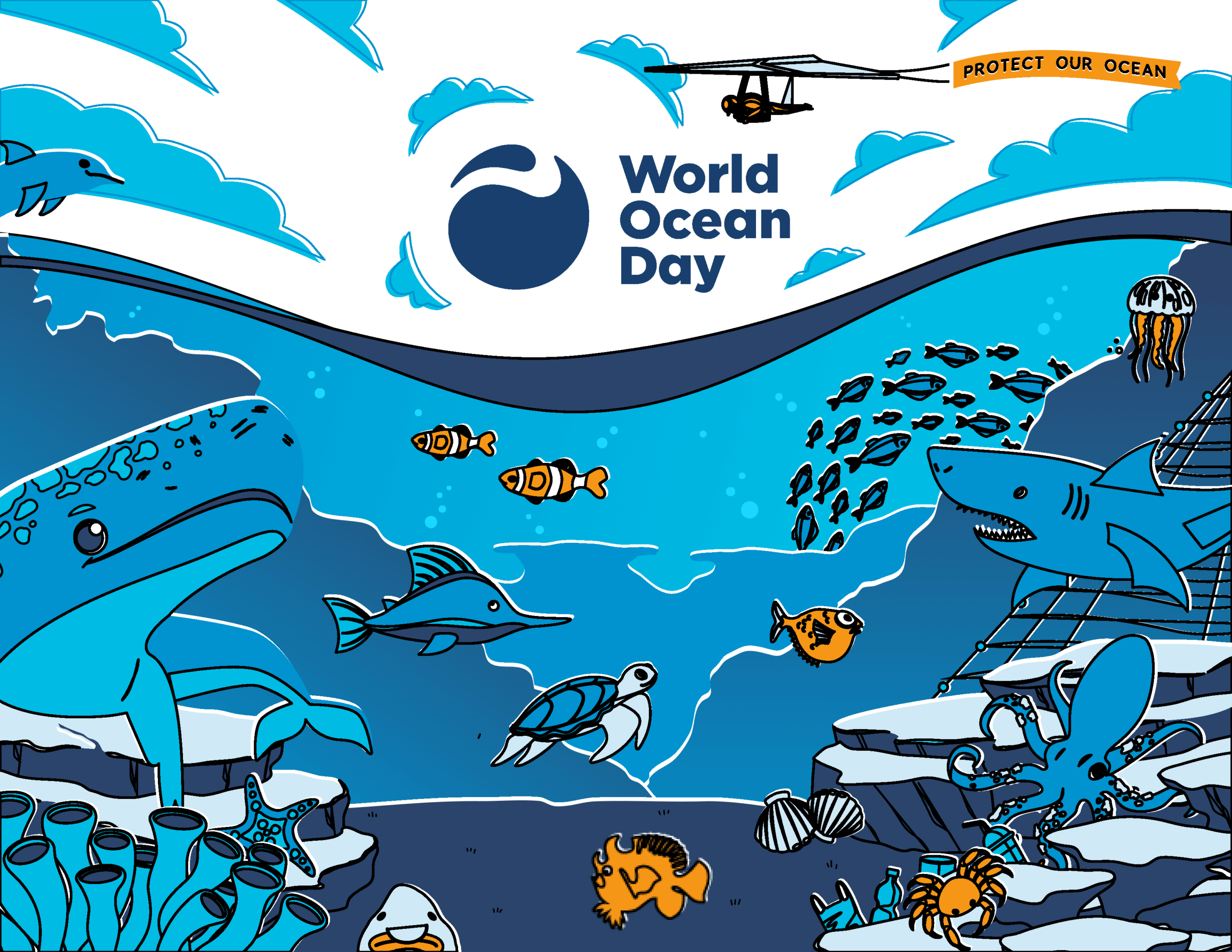
The 2026 World Oceans Day theme—"Reimagine: Community-led Ecosystem-based Adaptation for Ocean Resilience"—emphasizes the critical role of marine protected areas (MPAs) in conservation. Global initiatives highlight the need to move beyond commitments to on-the-ground protection that preserves marine biodiversity and builds ecosystem resilience against climate change.
CoralWatch Convenes Global Experts for Citizen Science Training
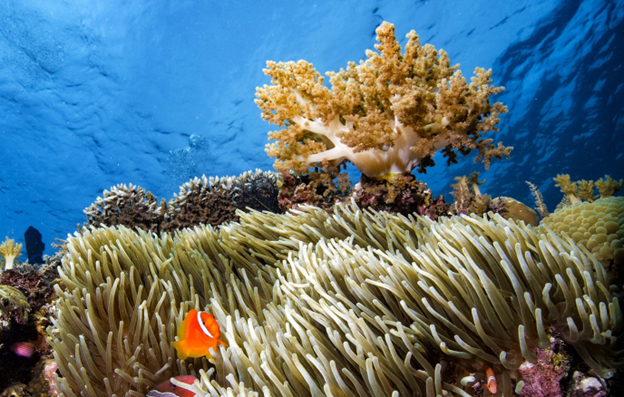
The 2026 CoralWatch Asia Ambassador Workshop (held May 14–17 in Taiwan) brought together international participants to advance citizen science, ocean literacy, and coral reef conservation. The initiative demonstrates growing momentum to empower local communities in monitoring coral health and supporting restoration efforts across Asia-Pacific regions.
Marine Technology & Exploration
AI-Powered Autonomous Underwater Vehicles Advance Deep-Sea Discovery
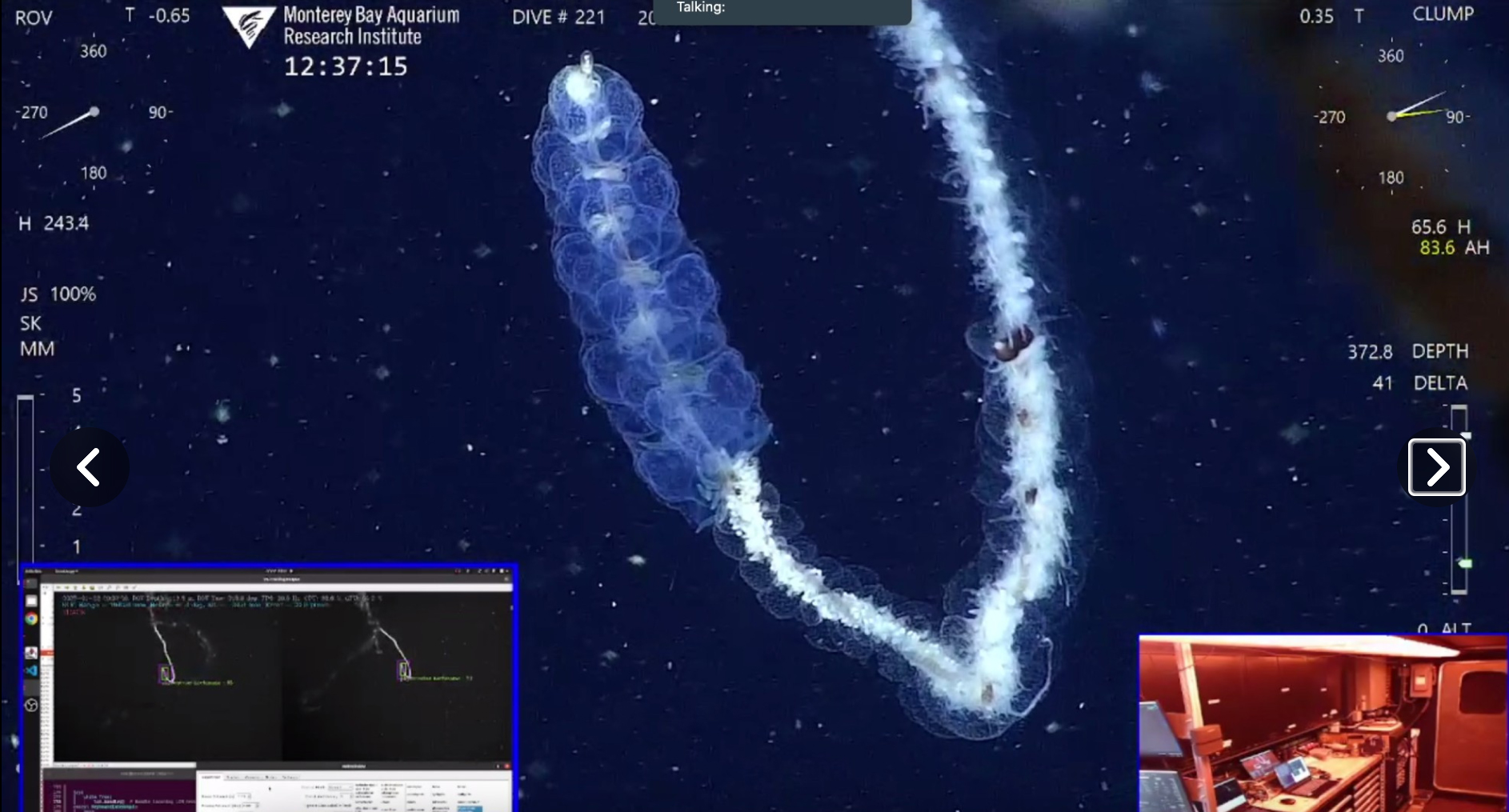
Recent advances in autonomous underwater vehicles (AUVs) equipped with artificial intelligence are transforming ocean exploration capabilities. NSF-funded researchers at the Minnesota Interactive Robotics and Vision Laboratory have developed advanced AUVs that autonomously collect vast datasets, map species distributions, and create comprehensive habitat maps to understand environmental drivers of marine biodiversity.
NOAA Deploys Specialized AI System for Mid-Water Exploration
NOAA's ocean exploration program is deploying a novel AI-powered stereo imaging system capable of operating at depths exceeding 1,500 meters for weeks at a time. The compact system features a wide field of view, strobe lighting for power efficiency, and onboard AI algorithms that automate decision-making, enabling AUVs to follow marine animals and collect unprecedented behavioral data from the deep sea.
What to Watch Next
- Seasonal Sea-Level Cycle Impacts: Upcoming research on how future changes in seasonal sea-level variability will reshape coastal intertidal ecosystems and inform coastal planning strategies.
- Arctic Nitrate Recovery Monitoring: Watch for longitudinal studies tracking whether Arctic plankton ecosystems can recover if sea-ice loss stabilizes, or whether the nitrate depletion represents an irreversible shift.
- AI-AUV Deep-Sea Surveys: Expanding NOAA and NSF expeditions using autonomous systems with embedded AI to map previously unexplored regions of the ocean floor and discover new species in abyssal zones.
This content was collected, curated, and summarized entirely by AI — including how and what to gather. It may contain inaccuracies. Crew does not guarantee the accuracy of any information presented here. Always verify facts on your own before acting on them. Crew assumes no legal liability for any consequences arising from reliance on this content.
Powered by
