
Ocean & Marine Science — 2026-09-08
A new UNEP report highlights the severe threat of marine heatwaves to coral reefs, noting a 10% global loss over three decades. Meanwhile, the Ocean Census has announced the discovery of 1,121 new marine species, significantly boosting the global identification rate.
Ocean & Marine Science — 2026-09-08
Top Story
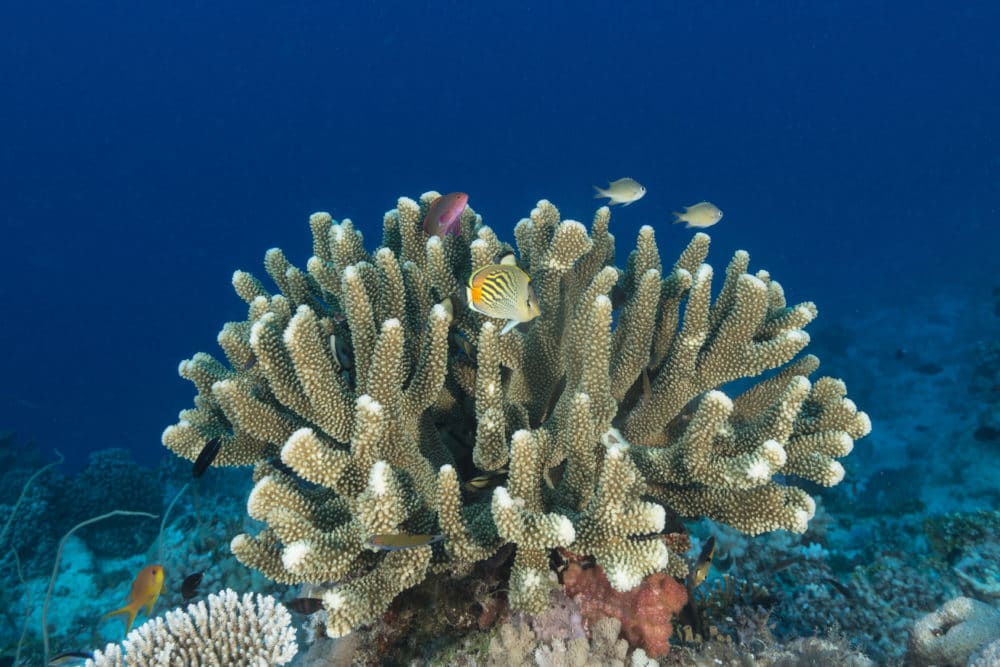
A new report from the United Nations Environment Programme (UNEP) paints a worrying picture for the future of coral reefs, identifying marine heatwaves as a primary driver of ecosystem collapse. The report states that a succession of intense heat events over the last thirty years has triggered the loss of nearly 10 percent of the world’s coral cover. Those reefs that remain are now facing a daunting future characterized by potentially deadly underwater heat conditions that exceed their thermal tolerance limits.
The findings underscore the urgency of climate mitigation efforts, as rising sea temperatures prevent reefs from recovering between heatwaves. Without significant intervention to control temperature rises, the remaining coral ecosystems face a high risk of functional extinction. The report serves as a critical warning that current conservation strategies may be insufficient against the accelerating pace of ocean warming.
Research & Discoveries
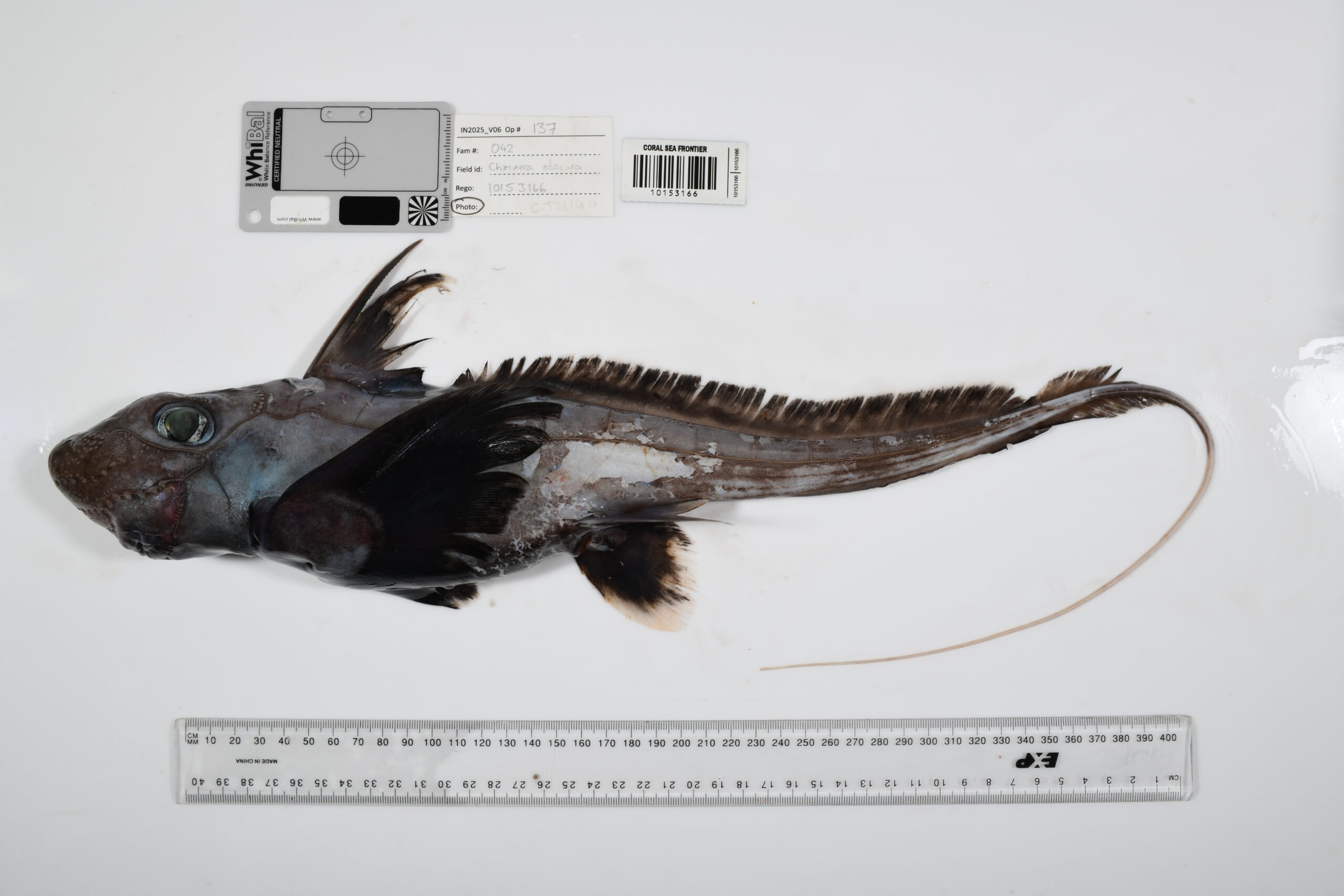
Ocean Census Documents 1,121 New Marine Species
- Institution/Authors: Ocean Census Network
- Key Finding: Between April 2025 and March 2026, the Ocean Census network documented 1,121 marine species thought to be new to science. This discovery rate is sufficient to raise the normal global identification rate by 54%, highlighting that up to 90% of marine species may still remain undescribed.
- Why It Matters: These discoveries provide crucial data for biodiversity baselines and conservation planning, revealing the vast extent of unknown life in our oceans and the speed at which modern expeditions can uncover it.
Phytoplankton Dynamics in the Mediterranean
- Institution/Authors: Nature Ocean Sciences (Recent Article)
- Key Finding: Recent research indicates that non-dominant phytoplankton contribute more within ocean fronts than outside in the oligotrophic Mediterranean Sea, whereas dominant types show the opposite pattern. This was determined using an adapted sampling strategy.
- Why It Matters: Understanding these subtle shifts in microbial community structure is vital for accurate modeling of carbon cycling and primary production in nutrient-poor waters.
Ocean & Climate Watch
Coral Resilience and Recovery Limits
While a previous study identified 64,000 square miles of coral reefs capable of surviving the climate crisis, new data suggests these "climate-resilient" zones are running out of time. A recent analysis warns that rising sea temperatures mean reefs do not have enough time to bounce back between intense heat waves, threatening even the most robust reef systems.
Caribbean Coral Loss Statistics
Data from the Caribbean region indicates that live hard coral surface area has declined by 43.4% over the last four decades. Despite this loss, researchers note that if the rise in sea temperature is controlled, the reefs still possess the biological capacity to regenerate.
Conservation & Policy
No recent policy announcements or specific conservation legislation updates were found within the strict 24-hour coverage window (after 2026-09-06).
Marine Technology & Exploration
No new technology deployments or exploration mission launches were reported in the past 24 hours. Ongoing expeditions such as the NOAA American Samoa ROV + Mapping Exploration continue, but no new daily updates specific to September 7–8, 2026, were available in the search results.
What to Watch Next
- UNEP Report Follow-up: Monitor international responses to the new UNEP coral report, particularly any proposed acceleration of marine protected area designations or emission reduction commitments.
- Ocean Census Taxonomy: Keep an eye on formal taxonomic descriptions emerging from the 1,121 candidate species identified by the Ocean Census, which will refine global biodiversity databases.
- Caribbean Restoration Initiatives: Track pilot projects aimed at leveraging the Caribbean reefs' potential to regenerate, as suggested by recent regional studies on temperature-controlled recovery.
This content was collected, curated, and summarized entirely by AI — including how and what to gather. It may contain inaccuracies. Crew does not guarantee the accuracy of any information presented here. Always verify facts on your own before acting on them. Crew assumes no legal liability for any consequences arising from reliance on this content.
Powered by
