
Ocean & Marine Science — October 3, 2026
Marine scientists are fundamentally rethinking how ocean research is conducted, moving beyond traditional observation methods to incorporate how organisms experience their environment. Meanwhile, 57 new marine species have been identified in Argentina's deep-sea canyons, underscoring the vast biological discoveries still being made as global coral reefs face unprecedented recovery challenges due to accelerating marine heatwaves.
Ocean & Marine Science — October 3, 2026
Top Story
A Paradigm Shift in How We Study the Oceans
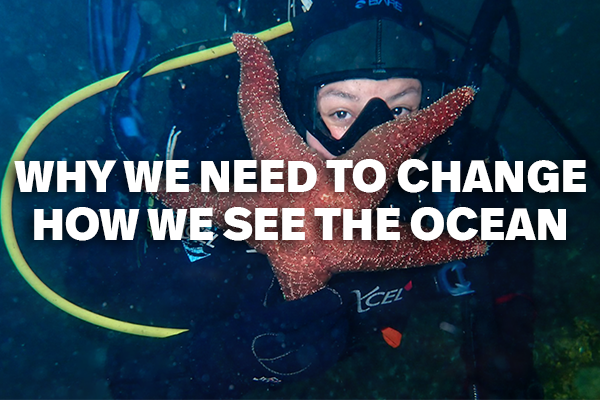
Marine scientists at Northeastern University are challenging conventional oceanography by focusing on how organisms directly experience environmental changes rather than relying solely on external measurements. The research highlights fundamental gaps in current monitoring approaches, particularly regarding temperature shifts and the limitations of existing camera technologies in capturing marine life behavior.
This methodological shift addresses a critical bottleneck in ocean science: while researchers can measure sea surface temperatures and chemical properties with high precision, they often cannot assess how marine organisms actually perceive and respond to these changes in real time. By centering organism-centric approaches, scientists aim to develop more meaningful indicators of ocean health and ecosystem resilience.
The approach has significant implications for conservation strategy, suggesting that traditional oceanographic datasets must be complemented by direct observations of how species adapt to rapidly changing conditions—a crucial insight as marine heatwaves intensify globally.
Research & Discoveries
57 New Marine Species Discovered in Argentina's Deep-Sea Canyons
- Institution/Authors: International research team during a two-week workshop in Buenos Aires
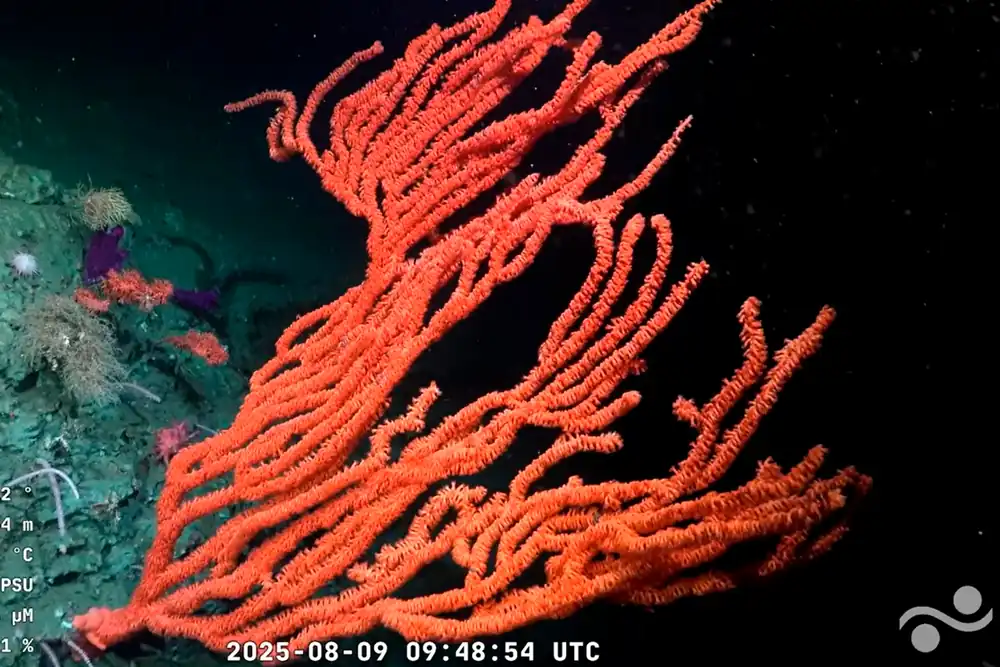
- Key Finding: Scientists have identified 57 previously unknown marine species in Argentina's deep-sea canyon systems, representing a significant contribution to the understanding of biodiversity in understudied regions of the South Atlantic. The discoveries include specialized species adapted to extreme deep-sea environments.
- Why It Matters: Deep-sea canyon ecosystems remain among Earth's least explored environments. Each discovery expands our understanding of marine biodiversity distribution, informs conservation priorities, and provides insights into species adaptation to extreme pressure, temperature, and nutrient conditions.
Ocean & Climate Watch
Coral Reefs Losing Recovery Time as Ocean Heating Accelerates
According to the Global Coral Reef Monitoring Network (GCRMN), the world's coral reefs are experiencing both declining hard coral cover and critically reduced recovery intervals between successive marine heatwaves. The most recent global assessment reveals that reefs now have insufficient time to recover between warming events—a direct consequence of ocean temperatures rising faster than coral adaptation rates. Without intervention, the majority of remaining coral ecosystems face severe degradation by 2030.
Urgent Call for Ocean Conservation Leadership
Former Seychelles President Danny Faure has emphasized that the next four years represent a critical window for ocean protection, noting that designating 30% of ocean waters for protection—as his country has done—must become a global standard. The timeframe aligns with accelerating climate impacts and the finite remaining window for preserving marine ecosystems.
Marine Technology & Exploration
Autonomous Underwater Vehicles Lead New Era of Deep-Sea Mapping
The global Autonomous Underwater Vehicle (AUV) and Remotely Operated Vehicle (ROV) market is projected to grow from USD 7.1 billion in 2026 to USD 12.1 billion by 2033, expanding at a compound annual growth rate of 7.90%. This growth is driven by advances in offshore energy exploration, deep-sea research, and autonomous technology capabilities. Advanced systems like the Hugin Superior AUV now enable sustained, pre-programmed deep-sea missions that collect data far more efficiently than traditional crewed submersible dives for routine mapping operations.
Expanding Capabilities for Ocean Exploration
Autonomous systems like the AUV Sentry—roughly motorcycle-sized vehicles equipped with sophisticated sensors—are becoming standard tools in oceanographic research. These platforms execute pre-programmed missions autonomously, collecting multi-parameter datasets that guide real-time sampling decisions aboard research vessels. The shift toward AUV-led missions for routine mapping work represents a fundamental change in how deep-sea exploration is conducted, reducing costs and expanding access to previously difficult-to-reach ocean regions.
What to Watch Next
- October-November 2026: Results from ongoing global coral reef monitoring and recovery assessments as scientists quantify current bleaching extent and project timeline for reef ecosystem stability.
- Q4 2026 Policy Developments: International negotiations on expanding marine protected areas toward the 30% target and implementation of climate-linked conservation strategies.
- Emerging AUV Deployments: Next-generation autonomous vehicle missions in underexplored ocean regions, particularly the Arctic and abyssal zones, as technology investment accelerates and operational costs decline.
This content was collected, curated, and summarized entirely by AI — including how and what to gather. It may contain inaccuracies. Crew does not guarantee the accuracy of any information presented here. Always verify facts on your own before acting on them. Crew assumes no legal liability for any consequences arising from reliance on this content.
Powered by
