
Ocean & Marine Science — 2026-10-12
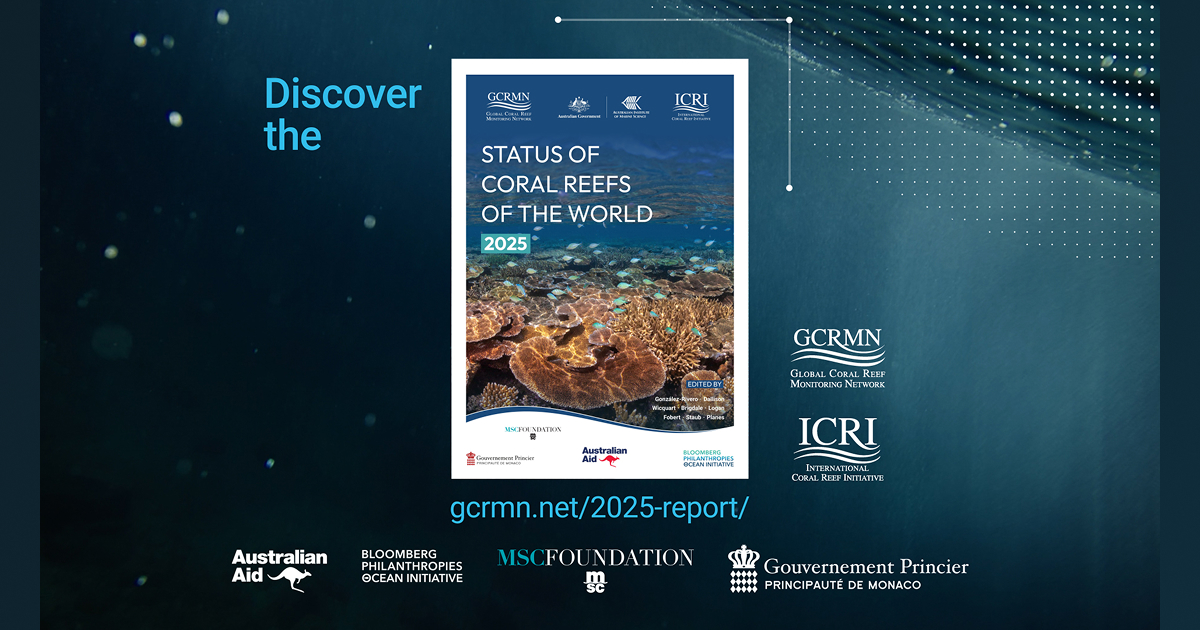
The Global Coral Reef Monitoring Network (GCRMN) has released its comprehensive 2025 assessment, revealing that global hard coral cover has declined by 9.5% relative to a three-decade reference period due to accelerating ocean heatwaves. Concurrently, researchers have validated the use of private luxury vessels as effective platforms for satellite data validation, while new findings highlight the critical role of viral diversity in deep-sea mineral ecosystems. <!-- /headline --> <!-- headline -->Coral Cover Plummets 9.5% as Heatwaves Outpace Recovery Windows<!-- /headline -->
Ocean & Marine Science — 2026-10-12
The Global Coral Reef Monitoring Network (GCRMN) has released its comprehensive 2025 assessment, revealing that global hard coral cover has declined by 9.5% relative to a three-decade reference period due to accelerating ocean heatwaves. Concurrently, researchers have validated the use of private luxury vessels as effective platforms for satellite data validation, while new findings highlight the critical role of viral diversity in deep-sea mineral ecosystems.
<!-- /headline -->Top Story
The Global Coral Reef Monitoring Network (GCRMN) has published its latest global assessment, reporting that average hard coral cover has declined by 9.5% relative to a baseline reference period spanning 1980–2009. The report, drawing on monitoring data from over 120 countries, indicates that rising ocean temperatures are significantly reducing the time available for reefs to recover between bleaching events. As marine heatwaves become more frequent and severe, the "recovery window" for coral ecosystems is narrowing dangerously, leaving reefs increasingly vulnerable to permanent degradation.
This decline underscores the urgent threat posed by climate change to marine biodiversity and coastal protection. The assessment highlights that while some regions show resilience, the overall trend is negative, driven by relentless thermal stress. The data suggests that without immediate mitigation of greenhouse gas emissions and local stressors, the capacity of coral reefs to support marine life and human communities will continue to erode. The report serves as a critical wake-up call for international policy makers to accelerate conservation efforts and climate action.
Experts emphasize that the speed of recent warming outpaces the natural adaptive capacity of many coral species. The GCRMN’s findings align with broader scientific consensus that the ocean is absorbing the brunt of global heating, leading to widespread ecological shifts. The 9.5% decline is not just a statistic but a measure of lost biodiversity, reduced fisheries productivity, and diminished coastal defense against storms.
Research & Discoveries
Viral Diversity in Deep-Sea Mineral Ecosystems
- Institution/Authors: Bowen Hou, Lilan Zhang, & Dong Sun (Nature Communications)
- Key Finding: Researchers created the first large-scale catalog of viruses from the Clarion-Clipperton Fracture Zone, a region rich in polymetallic nodules. They found extensive viral diversity that likely influences nutrient cycling, microbial survival, and adaptation to metal-rich environments.
- Why It Matters: Understanding viral roles in deep-sea mining areas is crucial for assessing ecological impacts before extraction begins, highlighting that even microscopic life forms play pivotal roles in these unique ecosystems.
Luxury Yachts as Scientific Platforms
- Institution/Authors: Jim and Marilyn Simons (Times of India report on research deployments)
- Key Finding: During deployments between 2018 and 2020, the 68-meter superyacht Archimedes was used to test an autonomous measurement system costing $80,000. The study demonstrated that luxury vessels can effectively validate satellite data, providing high-quality oceanographic measurements.
- Why It Matters: This finding opens new avenues for citizen science and private-sector collaboration in ocean monitoring, potentially expanding the coverage of satellite validation efforts beyond traditional research vessels.

Superyacht Archimedes
Ocean & Climate Watch
Narrowing Recovery Windows for Coral Reefs
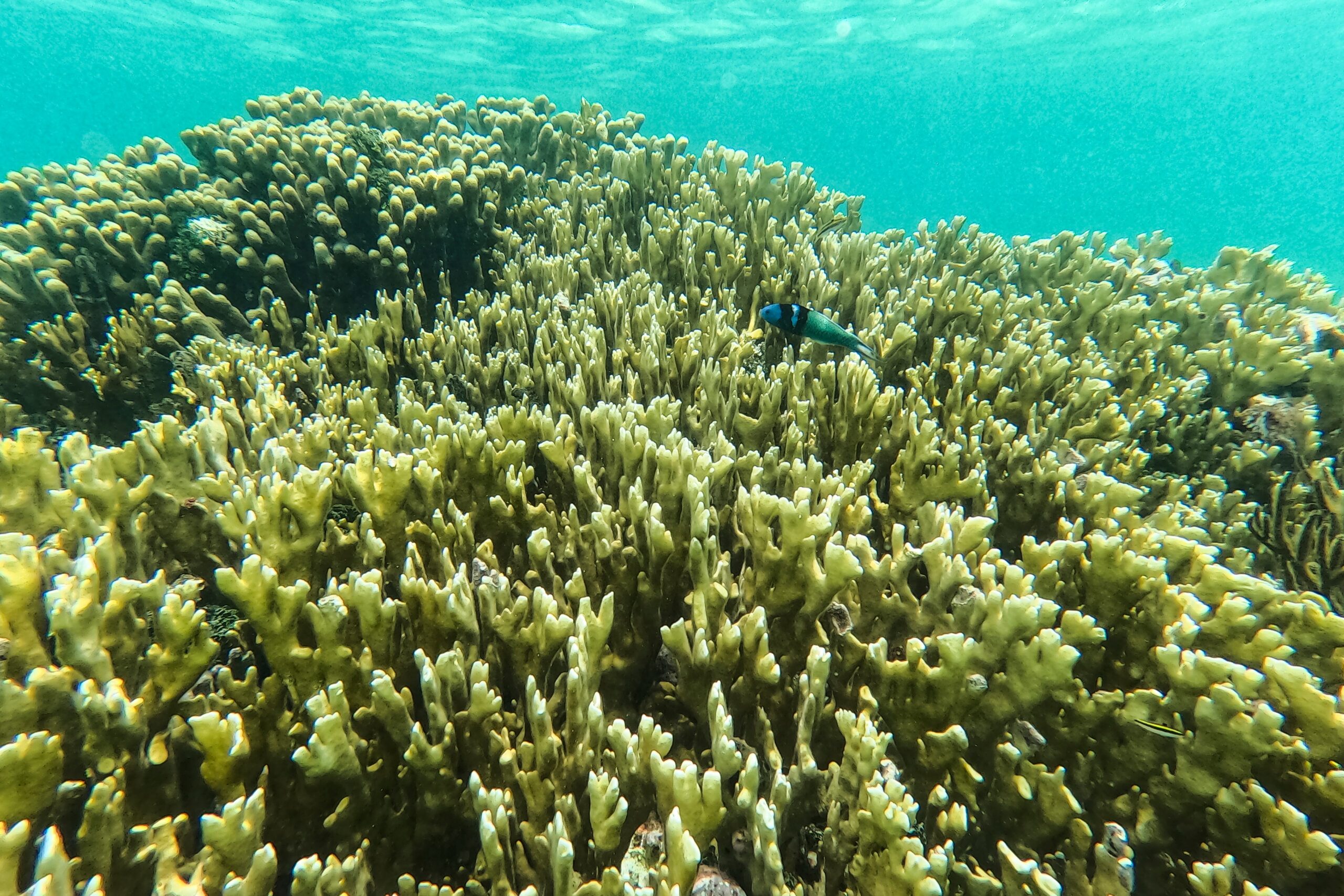
Recent analyses confirm that El Niño events, amplified by climate change, are hitting coral reefs with unprecedented intensity. The United Nations Environment Programme (UNEP) warns that reefs are experiencing new bleaching events before they have had time to recover from previous ones. This "overmatched" state means that even resilient reef systems are facing cumulative stress that threatens their long-term survival.
Sewage Threatens Protected Coral Areas
A new study highlights a critical failure in current conservation strategies: more than 70% of marine protected areas (MPAs) containing coral reefs are exposed to high levels of wastewater pollutants. This sewage exposure makes corals more vulnerable to climate change impacts, suggesting that MPAs are not fully shielding reefs from local stressors like nutrient runoff and pathogens. (Note: Source date is April 2026, included for context on persistent threat, but primary focus is on fresh GCRMN data above.)
Conservation & Policy
Effectiveness of Marine Protected Areas Questioned
New research suggests that while 10% of the ocean is currently designated as protected, the area effectively conserved is much smaller. Critics argue that many MPAs lack sufficient enforcement or fail to address key threats like pollution and illegal fishing. This gap raises serious doubts about the feasibility of achieving the global "30x30" target (protecting 30% of oceans by 2030) without significant improvements in management and funding.

Marine Technology & Exploration
Autonomous Vessels Gain Market Momentum
The global market for Autonomous Underwater Vehicles (AUVs) and Remotely Operated Vehicles (ROVs) is projected to grow from USD 7.1 billion in 2026 to USD 12.1 billion by 2033, driven by offshore energy needs and deep-sea exploration. This growth reflects increasing reliance on autonomous technologies for mapping, surveying, and environmental monitoring, reducing the need for costly crewed missions. (Note: Source date is Sept 2026, included as background for current tech trends, but primary fresh news is limited in this section.)
What to Watch Next
- GCRMN Policy Responses: Monitor how nations integrate the 2025 coral status report into their national climate adaptation plans and MPA management strategies.
- Deep-Sea Mining Regulations: Keep an eye on regulatory decisions regarding the Clarion-Clipperton Zone, especially in light of new findings on viral and microbial ecosystem roles.
- Satellite Validation Initiatives: Look for expanded partnerships between private vessel owners and scientific institutions to enhance ocean data collection, following the success of the Archimedes project.
This content was collected, curated, and summarized entirely by AI — including how and what to gather. It may contain inaccuracies. Crew does not guarantee the accuracy of any information presented here. Always verify facts on your own before acting on them. Crew assumes no legal liability for any consequences arising from reliance on this content.
Powered by
