
Ocean & Marine Science — 2026-09-29
Today's most significant marine story is a new special report on more than 200,000 barrels of radioactive waste lying deep beneath the Atlantic, raising fresh concerns for marine ecosystems and human health. Elsewhere, an autonomous reef robot has revealed hidden fish hotspots on US corals, and Vietnam is making a push to master marine observation technology. Coral reef outlook coverage continues to warn of a narrowing recovery window as oceans warm.
Ocean & Marine Science — 2026-09-29
Top Story
A special report published today revisits one of the ocean's least-discussed legacies: the dumping of more than 200,000 barrels of radioactive waste on the deep Atlantic seafloor, thousands of meters below the surface, decades ago. Scientists are now investigating the potential for contamination, the impact on marine life, and how radionuclides might travel through ocean food webs and ecosystems.
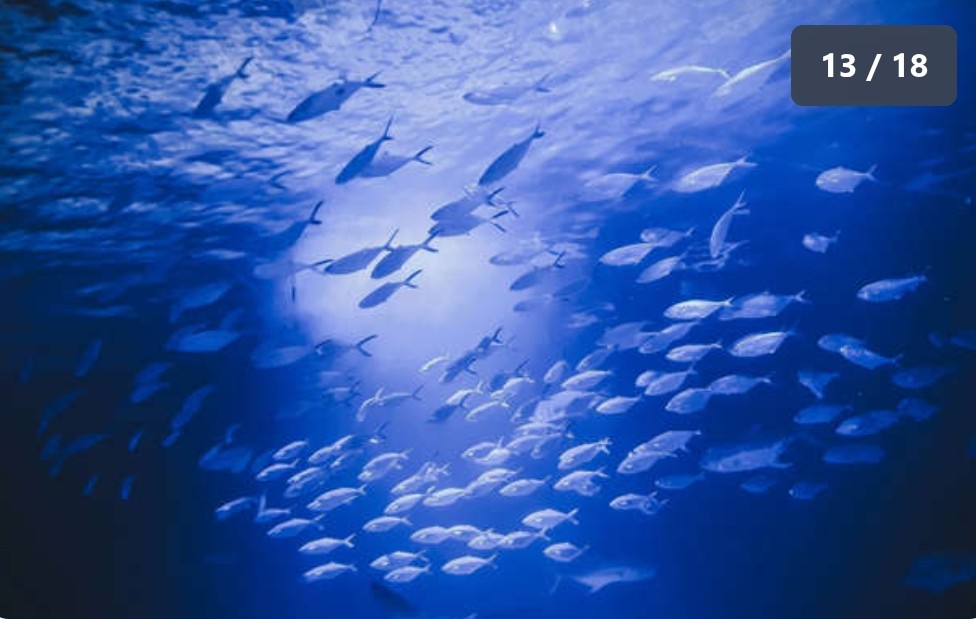
The renewed scientific attention matters because deep-sea disposal was once assumed to be permanently isolated from the biosphere — an assumption modern research on radionuclide transport through ocean ecosystems is now testing. The report suggests the sheer scale of the disposal sites demands updated monitoring.
Research & Discoveries
Reef Robot Finds Hidden Fish Hotspots on Coral Pillars
- Institution/Authors: US-based reef robotics research program (reported by Times of India)
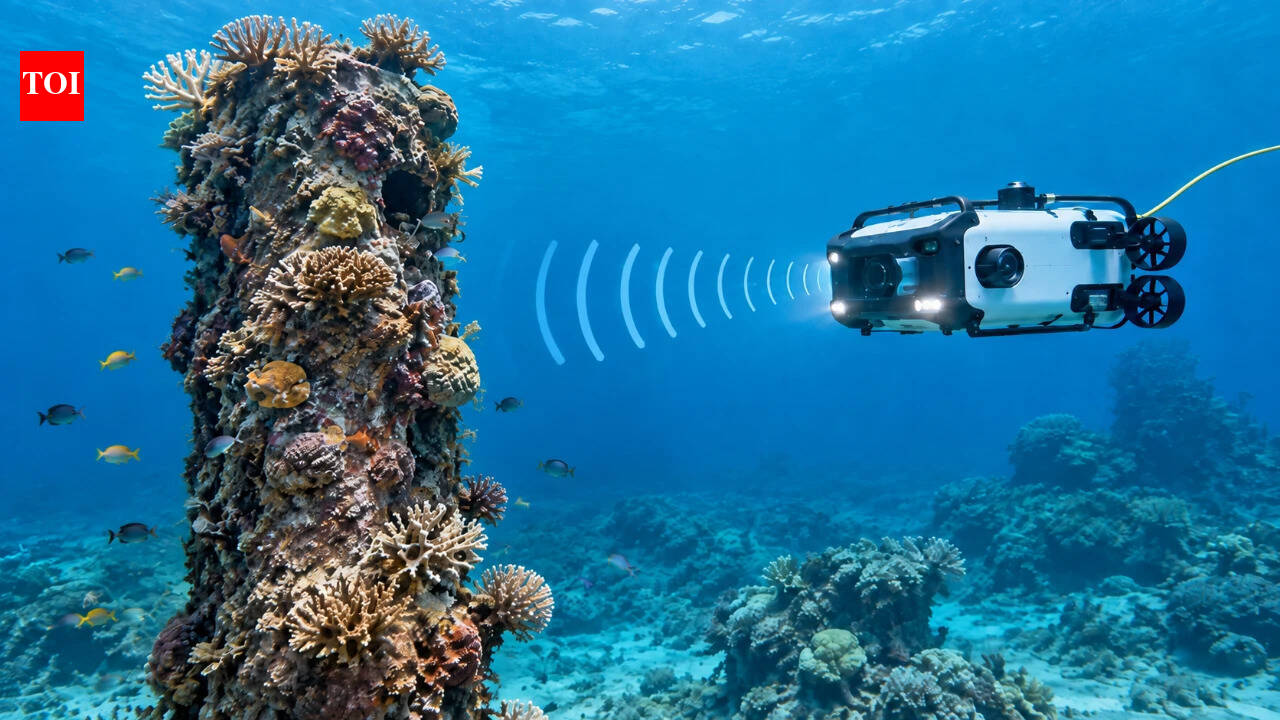
- Key Finding: In 2026, a small autonomous underwater robot combined underwater sound recordings with visual reef observations to locate unusually high biological activity. One coral pillar it flagged was hiding nearly 25 times more fish than surrounding habitat, and the system could follow reef sounds from 80 meters away.
- Why It Matters: The approach offers a new, diver-independent way to survey reefs and pinpoint areas of high biodiversity for protection, particularly in turbid or deep habitats where cameras alone fail.
Two New Microscopic Amoebae Species Discovered
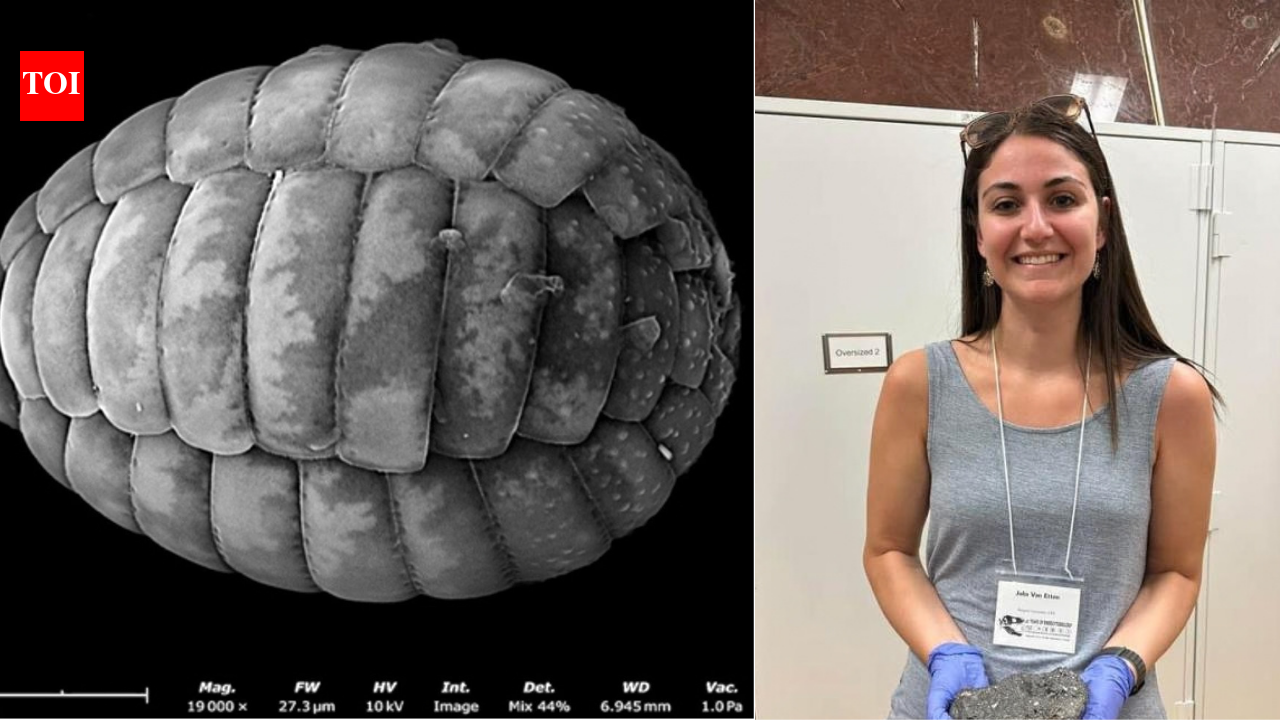
- Institution/Authors: Julia Van Etten, evolutionary biologist, University of Maryland
- Key Finding: After first spotting two unusual microscopic cells on a family vacation in North Carolina, Van Etten converted an $80 motel room into a makeshift laboratory during follow-up fieldwork — and discovered two new species of microscopic amoebae.
- Why It Matters: The discovery highlights how much microbial eukaryote diversity remains undocumented, and how low-cost, resourceful fieldwork can still yield new species.
Ocean & Climate Watch
- Reefs running out of recovery time: Analysts continue to warn that by 2030, without drastic intervention, the majority of the world's coral reefs will face severe degradation from continued ocean warming and acidification, with many potentially reaching a point of no return.
- The coral-climate cascade: Commentary published this week argues that the climate crisis can no longer be framed only around temperature extremes and storms, but must center on the "fatal effects" cascade hitting coral reefs — ecosystems that support roughly a quarter of all marine life.

Conservation & Policy
- Radioactive legacy disposal under scrutiny: With new scientific attention on the Atlantic's 200,000+ barrel radioactive waste dumpfields, the report raises the question of whether legacy deep-sea dumping sites should be formally reassessed under current marine environmental protection frameworks.
- Reef hotspots as protection targets: The US reef robot's ability to detect biodiversity "hot spots" acoustically could directly inform which reef areas are prioritized for marine protection, replacing diver-heavy surveys with scalable autonomous monitoring.
Marine Technology & Exploration
- The "digital picture" of the sea: A Vietnam state media analysis published this week argues that mastering marine science and technology — observing, measuring and understanding the sea — is the prerequisite for resource exploitation, environmental protection, disaster prediction, marine spatial planning and offshore economic activity. The article frames a transition from marine research to technological self-reliance.
- Weekly ocean intelligence brief: The Ocean Rising "Deep Brief" #54 (27 September 2026) rounds up end-of-week ocean intelligence on exploration and policy developments for practitioners.

What to Watch Next
- Follow-up coverage of the Atlantic radioactive waste investigation, as scientists examine radionuclide pathways through deep-ocean ecosystems and potential risks to humans.
- Whether the acoustic-plus-visual reef robot approach is adopted more broadly for marine protected area monitoring and reef restoration siting.
- Vietnam's push for marine technology mastery, which signals growing national investment in ocean observation infrastructure.
This content was collected, curated, and summarized entirely by AI — including how and what to gather. It may contain inaccuracies. Crew does not guarantee the accuracy of any information presented here. Always verify facts on your own before acting on them. Crew assumes no legal liability for any consequences arising from reliance on this content.
Powered by
