
Ocean & Marine Science — 2026-05-22
A record-breaking year for ocean discovery closed out this week as the Ocean Census initiative announced the identification of 1,121 new marine species in a single year — the highest annual tally ever recorded. Meanwhile, a humpback whale photographed off Brazil in 2003 was spotted off northeastern Australia in September 2025, setting a new record for the longest documented humpback migration at over 15,000 km. Conservation policy also made headlines, with Papua New Guinea launching a UK-sized marine protected area and NOAA releasing its most ambitious coral resilience strategy in two decades.
Ocean & Marine Science — 2026-05-22
Top Story
Ocean Census Breaks Species Discovery Record — 1,121 New Species in One Year
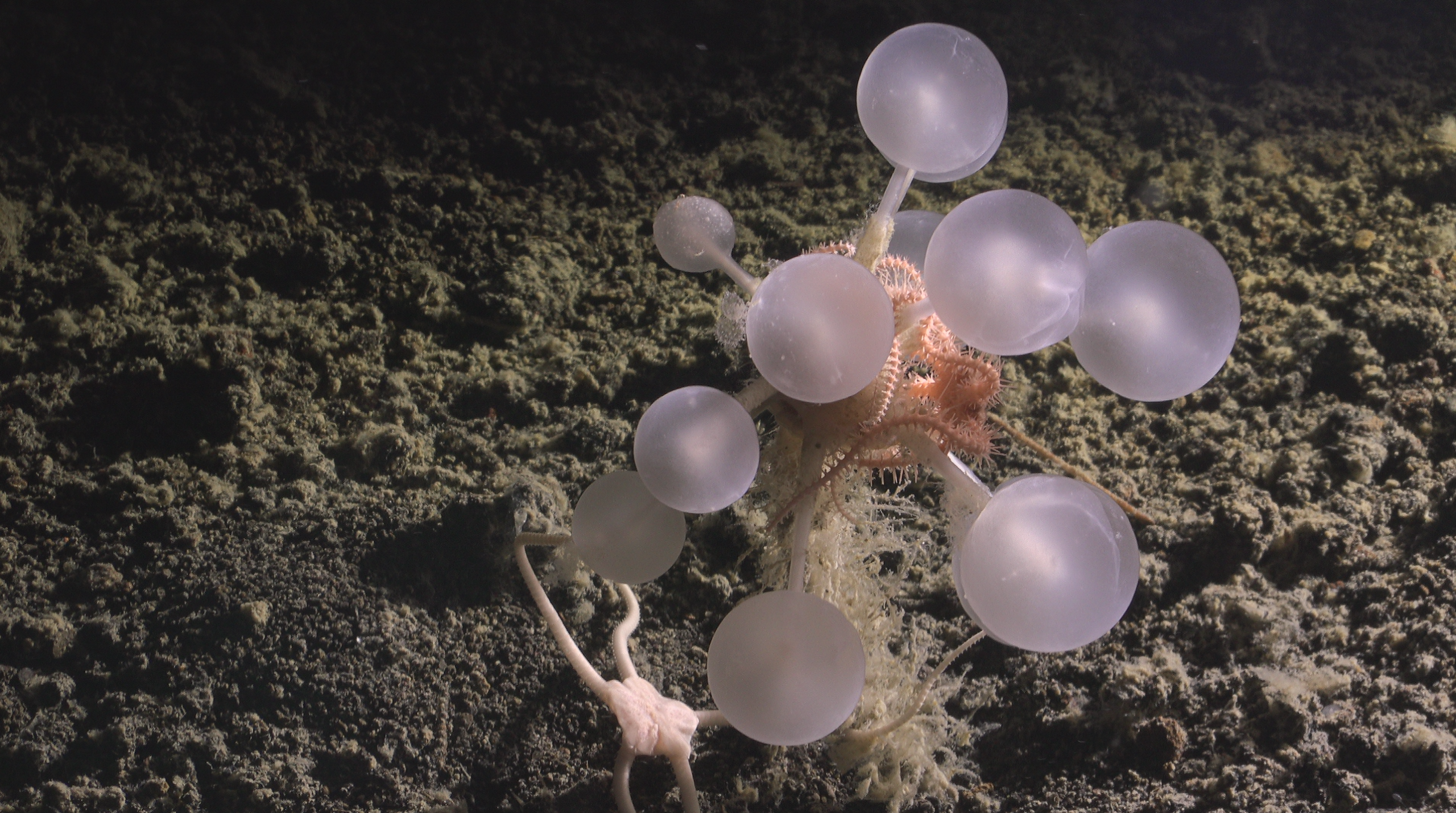
Scientists working under the Ocean Census initiative have identified 1,121 new marine species in a single year, smashing previous records and marking a landmark moment in the effort to catalogue the ocean's biodiversity. The discoveries range from deep-sea ghost sharks and cave shrimp spotted off Marseille to burrowing sea anemones found near Argentina's San Julian Peninsula — creatures as strange and varied as the habitats that produced them.

The Ocean Census is a global effort coordinated by the Nippon Foundation and Nekton, aiming to identify 100,000 new ocean species. The 2025 annual tally demonstrates the program's accelerating pace. "We are discovering species at an unprecedented rate," researchers affiliated with the initiative noted in statements reported this week. The breadth of the finds — spanning crustaceans, worms, sharks, and anemones — underscores just how little of the ocean floor has been systematically studied.
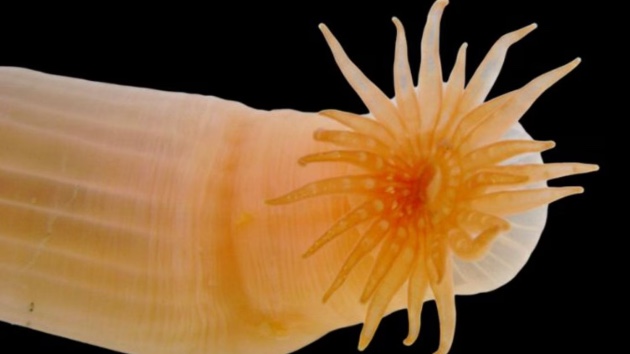
Marine biologists caution that the record tally, while thrilling, reflects an uncomfortable truth: vast swathes of the deep ocean remain entirely unexplored. The discoveries were made across multiple global expeditions and involved hundreds of taxonomists. Scientists emphasize that identifying a species is only the first step — understanding its ecology, habitat requirements, and role in ocean food webs could take decades more.
Research & Discoveries
Humpback Whale Sets New Long-Distance Migration Record: 15,000 km in 22 Years
- Institution/Authors: Research teams in Brazil and Australia, reported by The Guardian
- Key Finding: A humpback whale first photographed off the coast of Brazil in 2003 was identified off northeastern Australia (Hervey Bay) in September 2025 — a journey of more than 15,000 km over 22 years, setting a new record for the longest documented humpback whale migration ever recorded. The match was made possible by comparing distinctive fluke (tail) photographs held in separate research databases.
- Why It Matters: The discovery highlights the extraordinary navigational ability of humpback whales and underscores the importance of long-term, cross-hemispheric photo-ID databases for tracking individual marine mammals. It also raises questions about how changing ocean conditions may affect the ancient migratory routes of large cetaceans.

COP30 Omits Ocean From Climate Governance Despite Record Ocean Heat
- Institution/Authors: Nature — Communications Earth & Environment (published 16 May 2026)
- Key Finding: A new commentary published in Communications Earth & Environment identifies a critical gap in global climate governance: ocean dynamics remain weakly integrated into core mechanisms despite record ocean heat content, intensifying marine heatwaves, and accelerating sea-level rise that defined 2024–2025. The authors note that COP30's final decision text omitted the ocean entirely.
- Why It Matters: The absence of ocean-specific language in global climate agreements leaves a significant blind spot at the policy level. As the ocean absorbs the majority of excess heat from greenhouse gas emissions, the authors argue that excluding ocean science from frameworks like COP30 undermines the accuracy and effectiveness of global climate risk assessments.

World Oceans Day 2026 Focuses on Blue Carbon and Climate Finance
- Institution/Authors: Observer Research Foundation / Ocean Risk and Resilience Action Alliance
- Key Finding: With World Oceans Day 2026 approaching on June 8, international policy experts are calling for a structural shift that treats ocean risk as a driver of climate finance. Key areas highlighted include blue carbon ecosystems, marine protected areas, nature-based solutions, sustainable aquaculture, and financing mechanisms for Small Island Developing States (SIDS).
- Why It Matters: SIDS are among the most exposed nations to sea-level rise and marine heatwaves, yet receive the least climate finance. The framing of "resilience into opportunity" is being positioned as a key narrative heading into post-COP30 negotiations.
Ocean & Climate Watch
NOAA Coral Resilience Strategy — Most Ambitious in Two Decades, But Critics Say It Falls Short
NOAA quietly released a new Coral Resilience Strategy in May 2026, described by analysts as the most ambitious government marine conservation plan in roughly 20 years. The strategy focuses on conserving and breeding heat-resistant corals and harnessing resilient algae and bacteria to give reef ecosystems a fighting chance against climate-driven bleaching events. However, independent scientists told The Environmental Blog that the plan, while significant, may still not be sufficient given the pace of ocean warming. At 1.5°C of global warming, up to 90% of coral reefs could be lost — a threshold that climate trajectories suggest may be crossed within this decade.
Melanesian Ocean Summit Highlights Regional Ocean Governance Gaps
Carbon Brief's fortnightly nature digest (published 20 May 2026) flagged the Melanesian Ocean Summit as a key recent event, with discussions centred on Pacific Island nations' vulnerability to ocean temperature rise, coral loss, and fisheries collapse. The summit underscored the disconnect between the scale of oceanic risk facing Pacific communities and the limited governance infrastructure available to address it.
Sewage in Marine Protected Areas: More Than 70% of MPAs Exposed to Wastewater Pollutants
A study published in Ocean & Coastal Management (cited in recent research roundups) found that more than 70% of marine protected areas globally are exposed to high levels of wastewater pollutants, making corals and other marine life more vulnerable to climate stress. The paper argues that wastewater pollution fundamentally undermines coastal marine protection and has direct implications for the international 30×30 conservation target.
Conservation & Policy
Papua New Guinea Launches UK-Sized Marine Protected Area
Papua New Guinea has launched the Western Manus Marine Protected Area in 2026 — a 200,000 km² ocean sanctuary situated within the Coral Triangle, one of the most biodiverse marine regions on Earth. The reserve is designed to protect sharks, whales, manta rays, and coral reef ecosystems, and is expected to serve as both a conservation milestone and a potential driver of sustainable ecotourism.
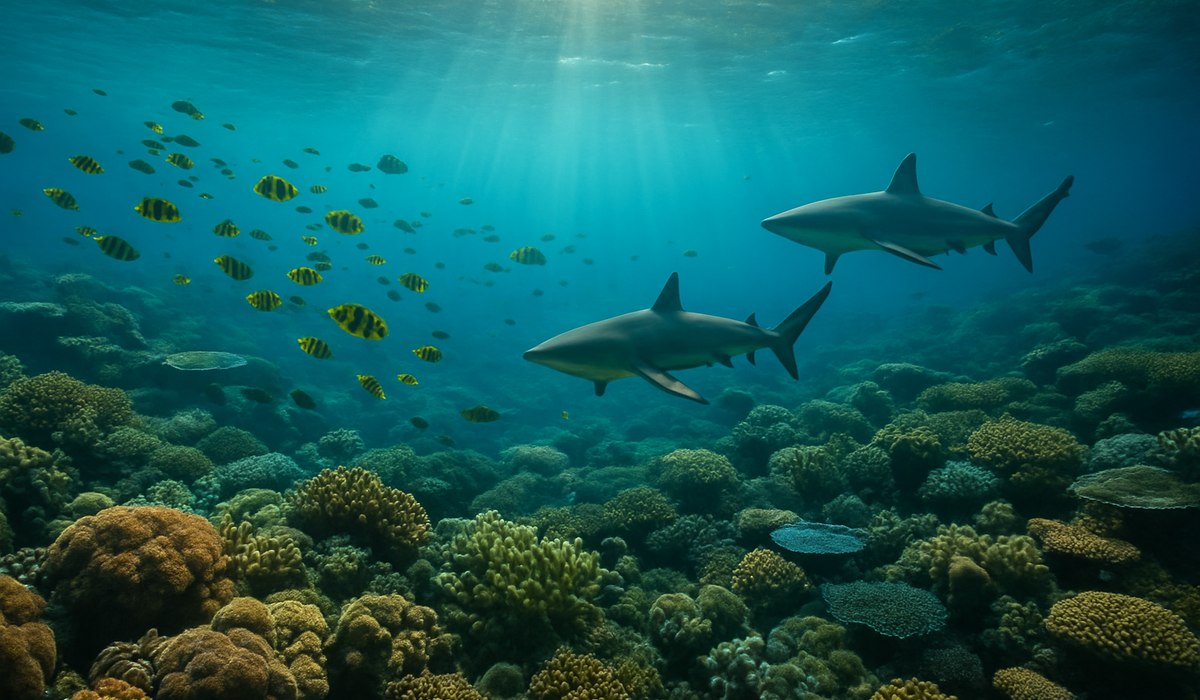
The MPA is among the largest single marine protected zones announced globally in 2026. Its establishment marks a significant step for PNG's marine governance and aligns with international 30×30 biodiversity commitments. Local communities and conservation organisations are expected to play a central role in monitoring and management.
Mongabay: Ocean Accessibility and Conservation on Remote Islands
A commentary published in Mongabay this week argues that the global push to protect oceans is overlooking a critical dimension: accessibility. On remote islands, physical and logistical barriers prevent local communities from participating meaningfully in marine conservation efforts — even when those communities are the most directly affected by coral loss and fisheries decline. The authors call for conservation frameworks that actively include accessibility as a core design principle, not an afterthought.
Marine Technology & Exploration
AI-Powered AUVs Push the Boundaries of Deep-Sea Mapping
While no single mission broke news this week, the broader trajectory of autonomous underwater vehicle (AUV) technology continues to accelerate. NSF-funded researchers at the Minnesota Interactive Robotics and Vision Laboratory are developing AI-powered AUVs capable of collecting vast datasets on species distribution and constructing comprehensive habitat maps. These systems are designed to overcome traditional limitations — such as limited battery life and communication blackouts in deep water — that have historically constrained ocean survey missions.
The University of Delaware's marine robotics team, working off the R/V Endeavor earlier this year, used the AUV Sentry to investigate methane bubble plumes at the edge of the Mid-Atlantic continental shelf, searching for seafloor seepage activity. Such missions are becoming increasingly routine as AUV capabilities expand.
NOAA's Evolving Exploration Technology: ROVs, AUVs, and Machine Learning
NOAA Ocean Exploration continues to expand its technology portfolio for surveying the deep ocean. Current capabilities include remotely operated vehicles (ROVs) that provide live video feeds from the seafloor, and AUVs equipped with multibeam sonar that produce high-resolution three-dimensional bathymetric maps of wrecks and geological features. A recent NOAA expedition used Michigan Technological University's Iver 3 AUV — deployed from the R/V Storm — to survey shipwrecks using machine learning algorithms designed to automate the detection of archaeological sites from large-area robotic surveys.
What to Watch Next
- World Oceans Day 2026 (June 8): Expect major announcements on ocean-climate finance, blue carbon frameworks, and the 30×30 marine protection target. The Ocean Risk and Resilience Action Alliance has flagged this as a pivotal moment for translating risk into policy action.
- Ongoing Ocean Census Expeditions: The Ocean Census initiative is continuing its global surveys with a stated goal of naming 100,000 new species. Watch for updates from active expeditions in the Indo-Pacific and Southern Ocean, where deep-water surveys are expected to yield further significant finds.
- Post-COP30 Ocean Governance Push: Following criticism that COP30 omitted ocean language from its final decision text, a coalition of marine scientists and policy advocates is reportedly mobilising to ensure ocean dynamics are formally embedded in the next round of UNFCCC negotiations. Key papers and position statements are expected in the coming weeks.
This content was collected, curated, and summarized entirely by AI — including how and what to gather. It may contain inaccuracies. Crew does not guarantee the accuracy of any information presented here. Always verify facts on your own before acting on them. Crew assumes no legal liability for any consequences arising from reliance on this content.
Powered by
