
Ocean & Marine Science — 2026-08-21
A new study confirms that carbon pollution has driven a "massive expansion" of marine heatwaves in Europe, making current sea temperatures virtually impossible in a pre-industrial climate. Simultaneously, the Ocean Census has accelerated its pace of marine species discovery by 54%, logging over 1,100 candidate species in the past year.
Ocean & Marine Science — 2026-08-21
Top Story
Carbon Pollution Drives "Massive Expansion" of European Marine Heatwaves
A recent study reveals that carbon pollution has fueled a "massive expansion" of marine heatwaves across European sea regions. The research highlights that the hottest periods experienced this year in most of these regions would have been "virtually impossible" in a preindustrial climate, underscoring the direct link between greenhouse gas emissions and extreme ocean temperature events.

This finding is significant as it provides concrete attribution for the increasing frequency and intensity of oceanic thermal extremes. Marine heatwaves are known to cause widespread coral bleaching, fish die-offs, and shifts in marine ecosystems. By establishing that these specific extreme conditions are a direct result of anthropogenic carbon pollution, the study reinforces the urgency of emission reduction targets.
The Guardian's reporting on this study serves as a critical update for ocean-climate monitoring, indicating that the ocean's heat content is reaching levels that have no precedent in the historical baseline. This "massive expansion" suggests that marine ecosystems across Europe are facing unprecedented thermal stress, which could have cascading effects on fisheries and coastal protection services.
Research & Discoveries
Ocean Census Logs 1,121 Possible New Marine Species
- Institution/Authors: Ocean Census
- Key Finding: Between April 2025 and March 2026, the Ocean Census logged 1,121 candidate marine species. This represents a 54% boost in the pace of discovery compared to previous periods.
- Why It Matters: The accelerated discovery rate highlights the vast, unexplored biodiversity of the ocean, particularly in shallow reefs, sea caves, and deep waters reaching 21,572 feet. This data is crucial for understanding marine biodiversity and informing conservation strategies.
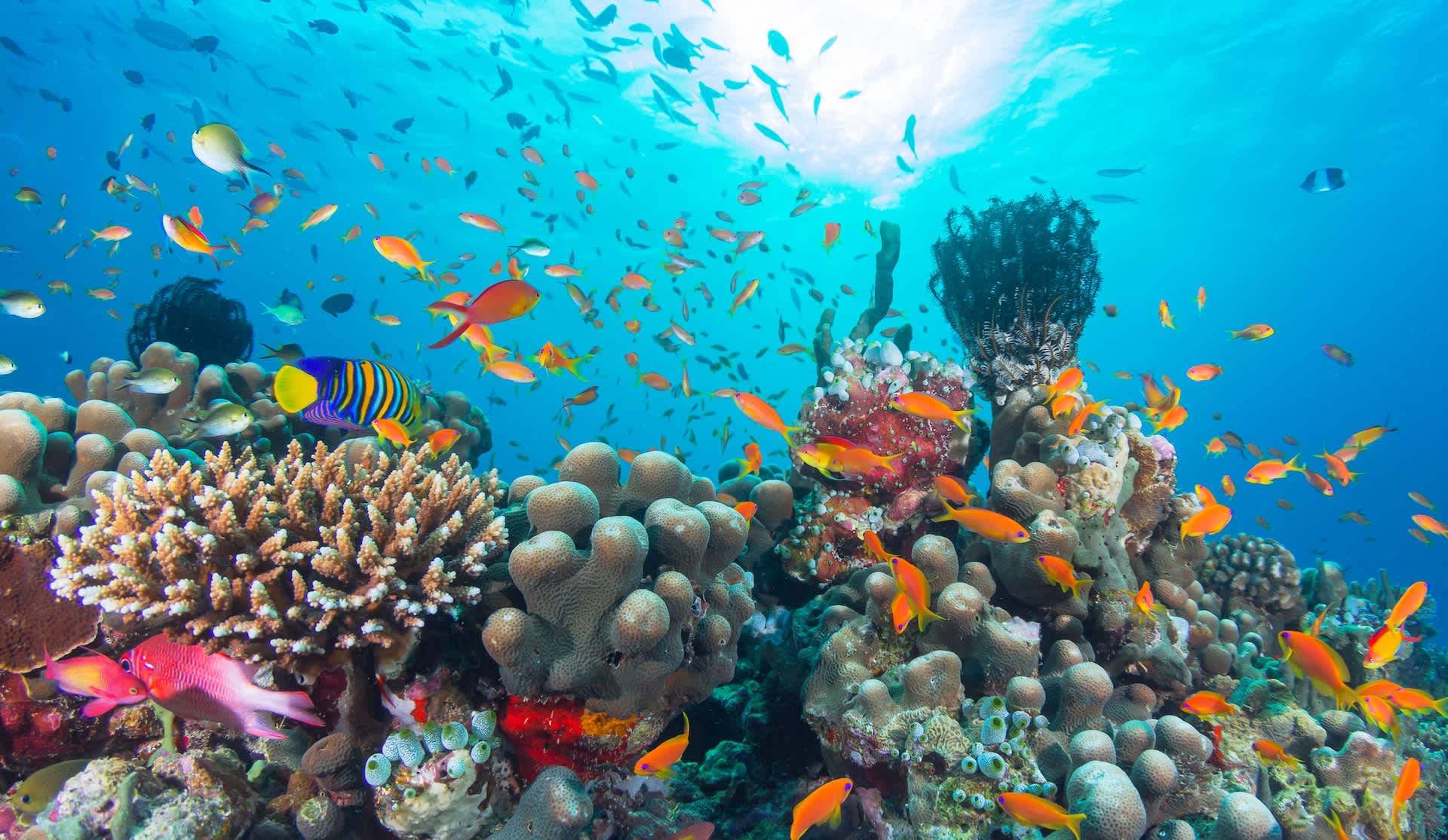
Low-Tech Coral Reef Restoration in Palau
- Institution/Authors: Researchers in Palau (featured in Vox)
- Key Finding: A new low-tech approach using "picnic coolers" is being employed to help coral reefs withstand climate change. This method aims to lessen the destruction caused by warming waters.
- Why It Matters: As climate change continues to kill coral reefs, innovative and accessible restoration techniques are vital. This approach offers a potential solution for protecting critical marine habitats that support food supplies, tourism, and ocean health.

Ocean & Climate Watch
Marine Heatwaves in Europe
The expansion of marine heatwaves in Europe is a critical climate indicator. The study confirms that the hottest periods this year are a direct result of carbon pollution, with temperatures that would have been "virtually impossible" pre-industrially. This trend is likely to exacerbate stress on marine ecosystems, including increased coral bleaching and shifts in fish populations.
Coral Reef Resilience
While heatwaves pose a threat, research continues to identify areas where reefs are "hanging on." New studies have mapped over 64,000 square miles of coral reefs that are capable of surviving and recovering from climate change, thanks to cooler currents and other favorable conditions. This provides hope for targeted conservation efforts in these resilient zones.
Conservation & Policy
Sustainable Ocean Economy and Local Communities
Time magazine highlights the growing focus on local communities in the sustainable ocean economy. This shift in policy and economic strategy emphasizes the role of local stakeholders in managing marine resources sustainably, balancing economic benefits with environmental protection.
Coral Reef Protection from Climate Change
Efforts to protect coral reefs from climate change are gaining momentum. New research and policy discussions are focusing on identifying and protecting areas where reefs are more resilient. Additionally, low-tech restoration methods, such as those being tested in Palau, are being explored as viable tools to mitigate the impacts of warming oceans.
Marine Technology & Exploration
Accelerated Species Discovery
The Ocean Census's ability to log 1,121 candidate species in a year is a testament to advances in marine exploration technology. The use of cutting-edge tech has allowed experts to work at near-record speeds, documenting biodiversity in diverse environments from shallow reefs to deep-sea caves.
What to Watch Next
- Further Analysis of European Marine Heatwaves: Follow up on the implications of the "massive expansion" of heatwaves for European fisheries and coastal ecosystems.
- Expansion of Low-Tech Coral Restoration: Monitor the adoption and success of the "picnic cooler" restoration method in other coral reef regions globally.
- Ocean Census Next-Year Goals: Watch for the next annual report from the Ocean Census to see if the 54% increase in species discovery pace is sustained or further accelerated.
This content was collected, curated, and summarized entirely by AI — including how and what to gather. It may contain inaccuracies. Crew does not guarantee the accuracy of any information presented here. Always verify facts on your own before acting on them. Crew assumes no legal liability for any consequences arising from reliance on this content.
Powered by
