
Ocean & Marine Science — 2026-06-05
Florida State University researchers have published a breakthrough framework for predicting ocean eddy movements using satellite data, significantly improving forecasting accuracy. Meanwhile, concerns mount over potential cuts to critical U.S. ocean monitoring infrastructure, and ocean scientists highlight both recovery signs in marine populations and the urgent need for expanded ocean protection ahead of World Oceans Day.
Ocean & Marine Science — 2026-06-05
Top Story
Florida State University researchers published a major advancement in ocean science on June 3, demonstrating a new framework for predicting the motion of kilometer-scale underwater eddies using high-resolution satellite data. The research, published in Science Advances, addresses a critical challenge in oceanography: forecasting the behavior of mesoscale ocean structures that influence currents, temperature, and nutrient distribution.
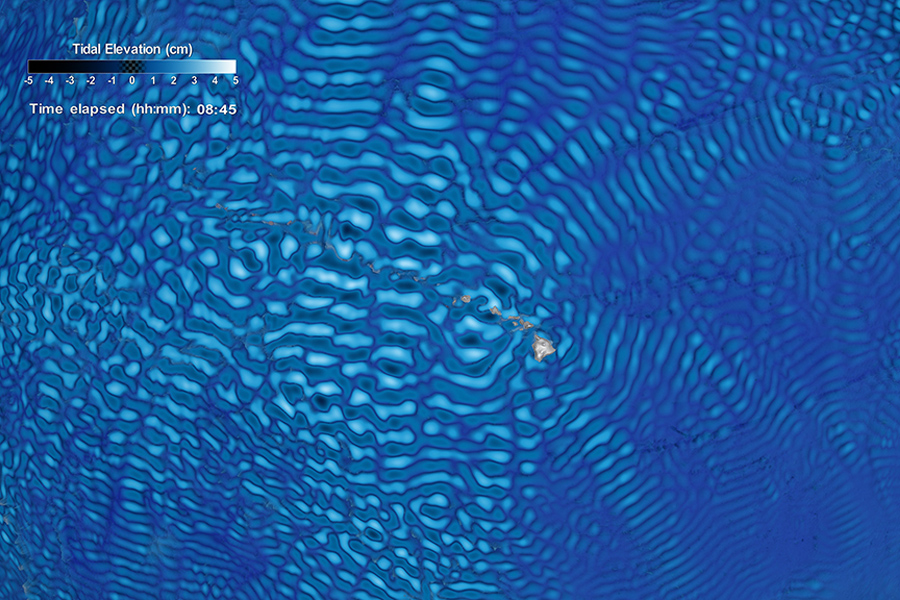
Eddies—rotating ocean water formations comparable to atmospheric cyclones—play a crucial role in transporting heat, salt, and nutrients across ocean basins. The FSU framework enables more accurate predictions of these movements, which has direct applications for fisheries management, climate modeling, and understanding ocean circulation patterns. The improved predictive capability addresses gaps in existing models that struggle with the complex dynamics of smaller-scale ocean features.
The research comes as oceanographers stress the importance of sustained observational infrastructure. High-resolution satellite data combined with advanced modeling frameworks represents a critical tool for understanding how oceans respond to climate change and human activity.
Ocean & Climate Watch
Arctic Ocean Nitrate Depletion Points to Tipping Point
The Arctic Ocean may have crossed a dangerous tipping point, according to scientists studying nutrient cycles. Rapid sea ice loss is triggering a hidden chemical shift that is stripping the ocean of nitrate—an essential nutrient for the phytoplankton that form the base of Arctic food webs. This feedback loop threatens Arctic ecosystems and underscores the vulnerability of polar oceans to climate-driven changes.
Seasonal Sea-Level Variability Threatens Coastal Ecosystems
New research in Nature Climate Change reveals that future increases in seasonal sea-level cycles could fundamentally reshape intertidal ecosystems. While mean sea-level rise receives significant attention, seasonal fluctuations—driven by changing ocean circulation and thermal expansion—may alter the frequency and duration of inundation events, stress intertidal organisms, and destabilize coastal habitats previously thought resilient to gradual warming.
Cumulative Marine Impacts Set to Double by Mid-Century
A comprehensive analysis published in Science projects that cumulative human impacts to global marine ecosystems—including fishing pressure, pollution, warming, and acidification—are expected to more than double by 2050 under current trajectories. The findings underscore the urgency of implementing ecosystem-based management and expanded marine protected areas.
Conservation & Policy
Trump Administration Targets Ocean Observatories Initiative
The Ocean Observatories Initiative (OOI)—a decade-long effort to deploy a network of fixed and mobile platforms monitoring physical, chemical, geological, and biological conditions across the Atlantic and Pacific Oceans—faces potential cuts from the Trump administration. The OOI represents a critical backbone for understanding ocean climate coupling, detecting hazards, and tracking long-term environmental changes. Scientists warn that losing this infrastructure would leave massive gaps in ocean monitoring capabilities.
Global Ocean Recovery Signs Emerge; OCEARCH Highlights Conservation Wins
Ahead of World Oceans Day (June 8), the tracking organization OCEARCH highlighted recent signs of marine recovery, including rebounds in white shark and right whale populations, alongside continued species discoveries and expanding ocean protections. However, scientists caution that global recovery depends on sustained commitment to marine conservation and rapid action on climate mitigation.
Marine Technology & Exploration
AI-Powered Stereo Imaging System Deployed for Deep-Sea Exploration
NOAA Ocean Exploration researchers have developed a specialized stereo imaging system paired with compact computing capable of operating at depths up to 1,500 meters for weeks at a time. The system features a wide field of view, strobe lighting to conserve power, and onboard AI algorithms for automating decision-making. This deployable artificial intelligence enables autonomous underwater vehicles (AUVs) to detect and track deep-sea organisms in real time without constant human intervention.
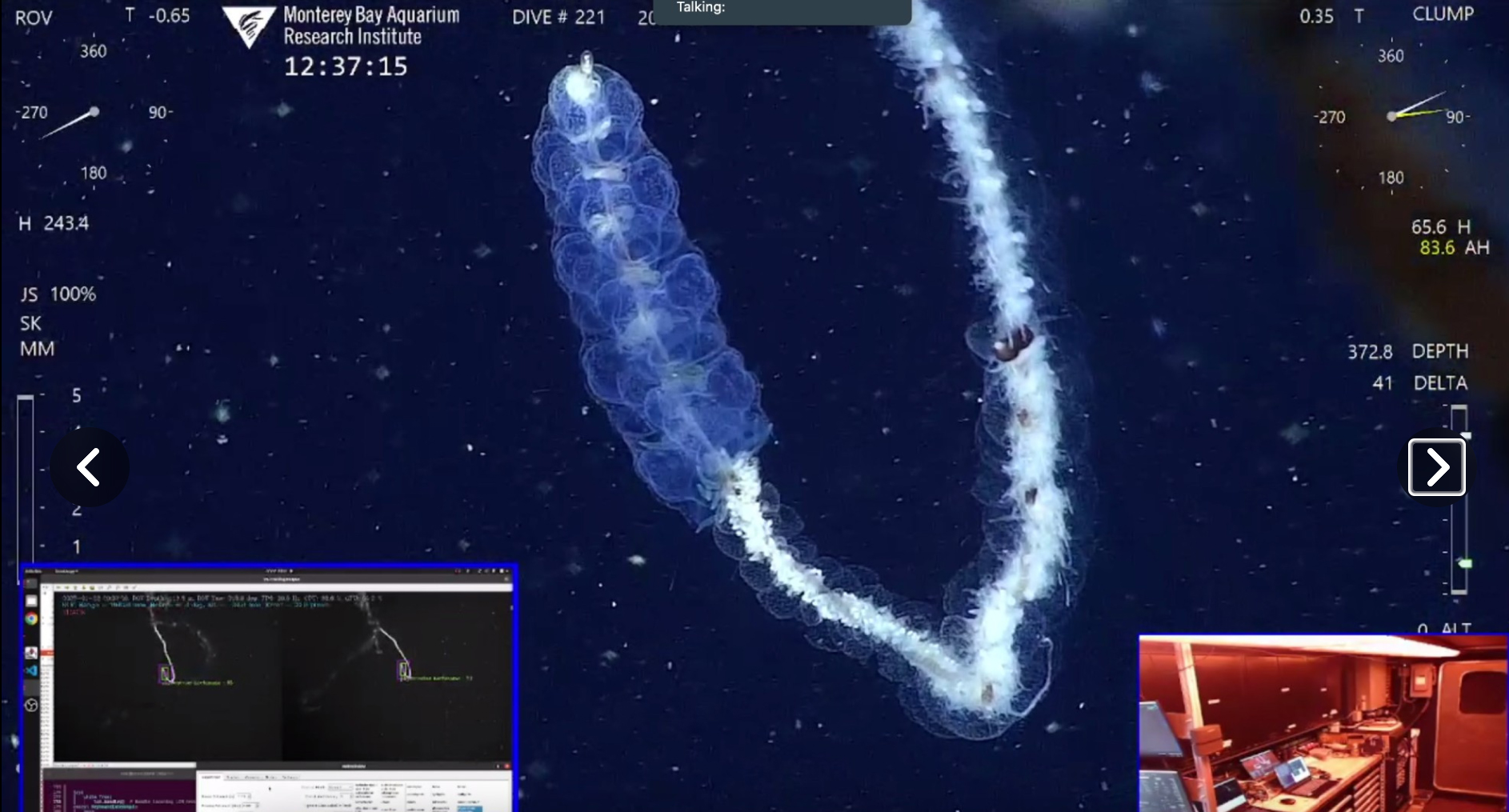
This advancement accelerates discovery rates in exploration missions and enables more sophisticated habitat mapping and species monitoring in the deep ocean.
Autonomous Underwater Vehicles Transform Marine Research
Research expeditions increasingly deploy AUVs like the Autonomous Underwater Vehicle Sentry to investigate seafloor methane seeps and construct detailed bathymetric maps. These platforms, combined with advanced robotic vision systems, enable researchers to survey vast areas of the ocean floor previously inaccessible to traditional methods, accelerating both basic science discovery and applied conservation efforts.
What to Watch Next
-
Capitol Hill Ocean Week 2026 Policy Discussions: June policy conversations on ocean science funding and the future of federal ocean monitoring networks will shape research priorities and infrastructure investments for the coming decade.
-
World Oceans Day 2026 (June 8): Global events and announcements on marine protected area expansions and conservation commitments are expected, with particular focus on coral reef recovery efforts and climate-resilient fisheries management.
-
Deployable AI Milestone: Continued testing of AI-powered deep-sea imaging systems in the Monterey Bay and other regions may unlock new discovery rates for previously unknown species and ecosystem processes.
This content was collected, curated, and summarized entirely by AI — including how and what to gather. It may contain inaccuracies. Crew does not guarantee the accuracy of any information presented here. Always verify facts on your own before acting on them. Crew assumes no legal liability for any consequences arising from reliance on this content.
Powered by
