
Ocean & Marine Science — 2026-06-16
Scientists have identified 165,000 km² of climate-resilient coral reefs—triple previous estimates—offering hope for reef survival amid warming oceans. Meanwhile, research reveals fish microbes may play a crucial role in shaping ocean chemistry, and the European Commission launches major calls for evidence on future ocean research strategy.
Ocean & Marine Science — 2026-06-16
Top Story
Climate-Resilient Coral Reefs Discovered Across 71 Countries
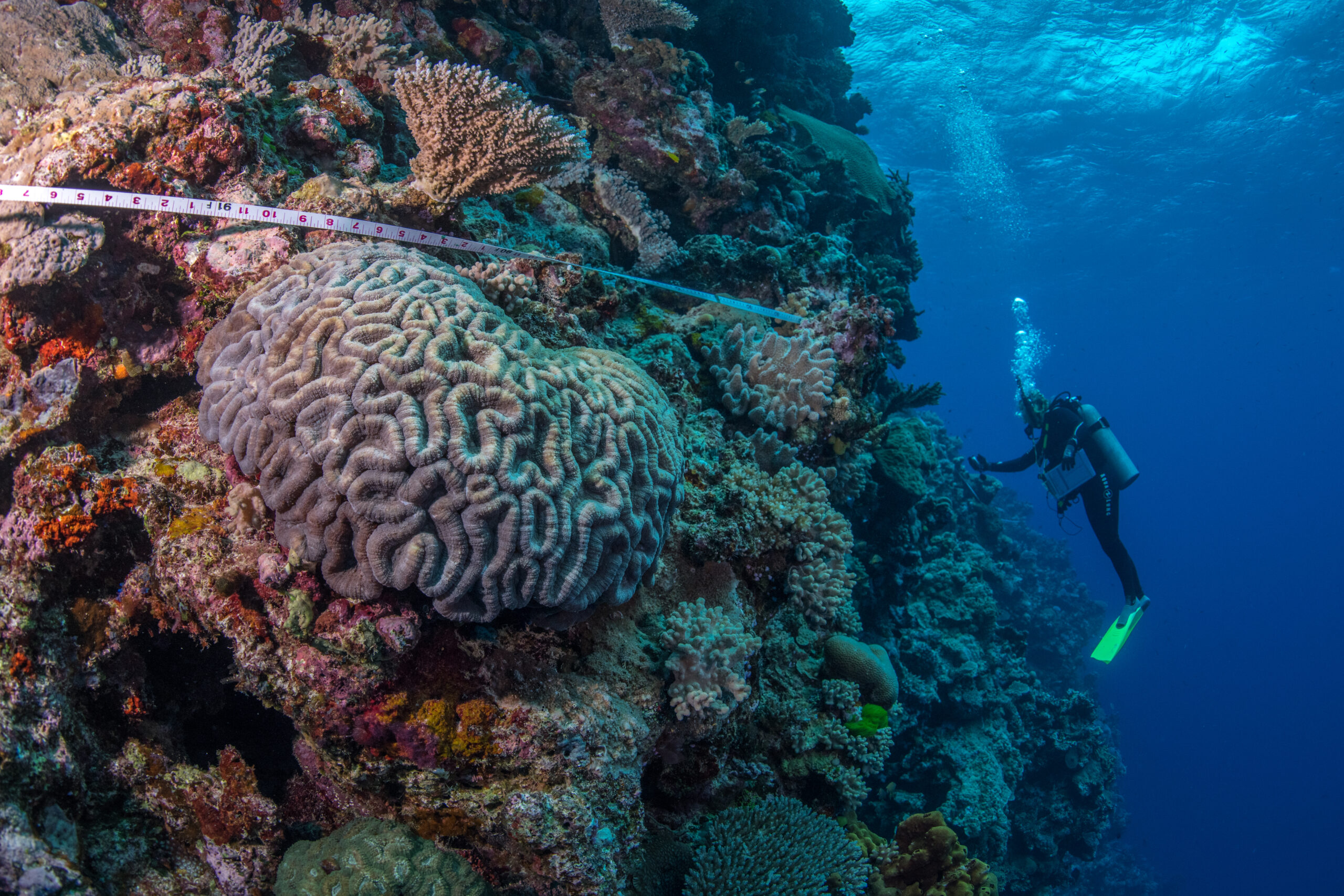
Scientists have identified approximately 165,000 square kilometers (64,000 square miles) of coral reef that is capable of surviving and recovering from climate change—nearly three times more than previously estimated. This landmark study, released just days ago, shows that climate-resilient reefs exist across 71 countries, including remarkable strongholds in places like Kenya's crystalline coastal waters.
The research demonstrates that not all coral reefs face inevitable doom from rising temperatures and mass bleaching events. These resilient areas have proven their capacity to withstand climate impacts and recover, provided they receive adequate protection. Experts emphasize that policy must now catch up with the science: without proper marine protection, even these naturally hardy reefs remain vulnerable to degradation from pollution, overfishing, and other stressors.
The findings arrive as the world moves toward the 30×30 goal—protecting 30% of the ocean by 2030. Currently, about 10% of the ocean has formal protection, though many protected areas exist only on paper. Conservation leaders stress that area alone is insufficient; effective enforcement and community-led ecosystem-based adaptation are essential to turning these discoveries into real conservation wins.
Research & Discoveries
Fish Microbes May Reshape Understanding of Ocean Chemistry
- Institution/Authors: University of Miami Rosenstiel School of Marine, Atmospheric, and Earth Science (led by Anthony Bonacolta)
- Key Finding: Scientists have discovered that tiny microbes living inside fish may be helping shape the chemistry of the world's oceans. This microbial community within fish may play a previously unrecognized role in nutrient cycling and ocean biogeochemistry.
- Why It Matters: If microbes inside fish are significantly influencing ocean chemistry, it could reshape our understanding of marine nutrient cycles and potentially offer new insights into ocean health and productivity. This discovery suggests we have been overlooking a major player in ocean systems.

Extraordinary Whale Fossil Concentration Found 23,000 Feet Below Indian Ocean Surface
- Institution/Authors: International research team using submersible technology
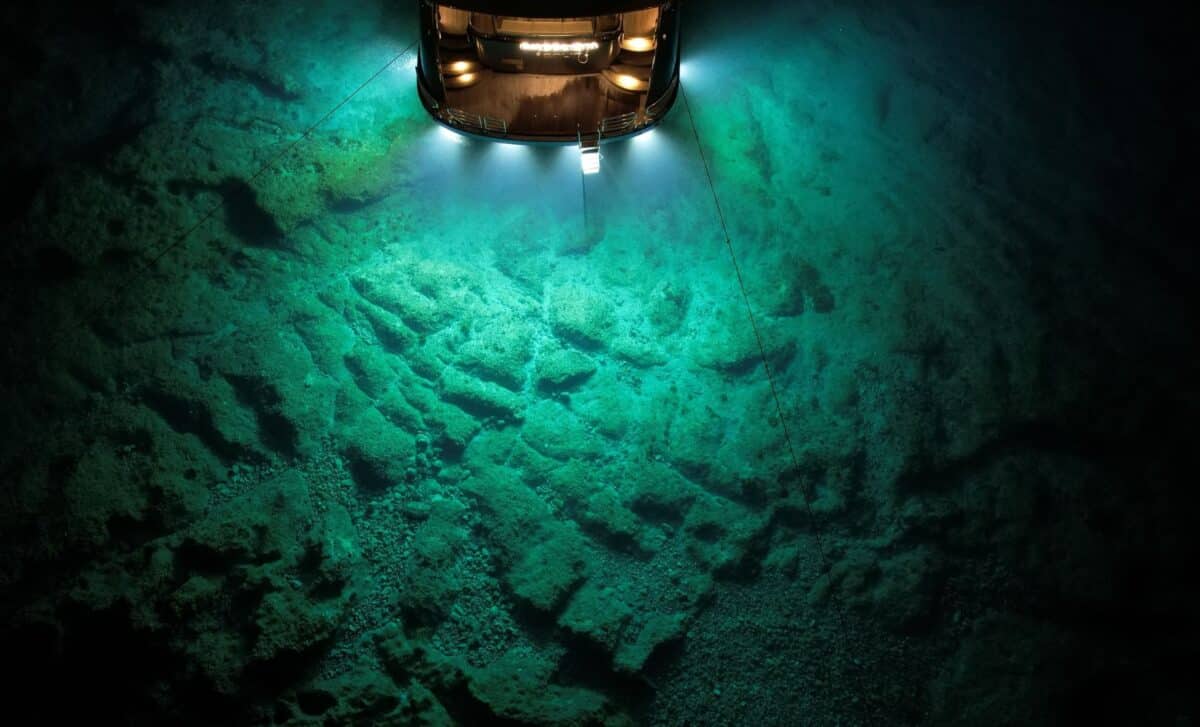
- Key Finding: Scientists deployed a submersible 23,000 feet (approximately 7,000 meters) below the Indian Ocean's surface west of Australia and discovered an extraordinary concentration of whale fossils and carcasses spread across a vast area. The findings left researchers "astonished" at the density and scale of the deposits.
- Why It Matters: This deep-sea whale graveyard provides rare insights into whale mortality patterns, deep-ocean ecosystems, and may reveal important information about historical and ongoing whale population dynamics and ocean floor conditions.
Human-Driven Sea-Level Rise Quadruples Frequency of Coastal Extremes
- Institution/Authors: Research team including Dangendorf, S. et al., published in Nature Climate Change
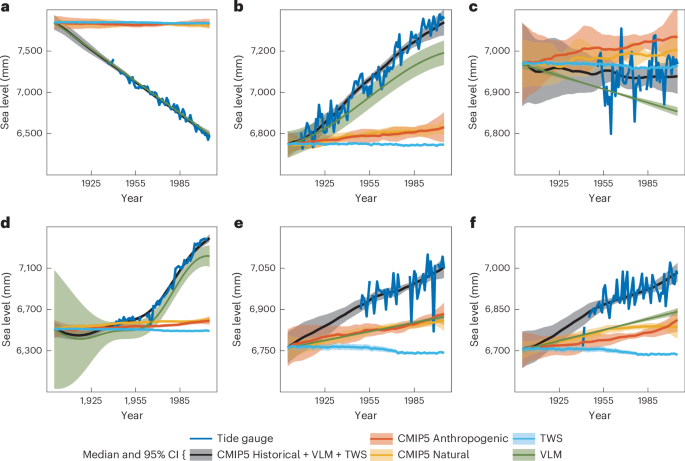
- Key Finding: Analysis shows that human-induced sea-level rise has quadrupled the frequency of extreme coastal sea-level events since 1900, with variable contributions from vertical land motion at tide gauges across the globe.
- Why It Matters: This quantification of human influence on coastal flooding frequency underscores the urgency of climate action and coastal adaptation planning, as communities face dramatically increased risks of storm surge, nuisance flooding, and coastal erosion.
Ocean & Climate Watch
Arctic Ocean Crossed Tipping Point: Nitrate Depletion Threatens Food Web
The Arctic Ocean may have crossed a dangerous tipping point. Scientists report that the rapid disappearance of sea ice is triggering a hidden chemical shift that is stripping the ocean of nitrate—a nutrient essential for the tiny plankton that form the base of Arctic food webs. This chemical cascade could have cascading effects throughout Arctic ecosystems, potentially affecting fish populations and marine mammals that depend on plankton-based productivity.
Global Marine Ecosystem Impacts Projected to Double by Mid-Century
Recent research published in Science indicates that cumulative impacts to global marine ecosystems are projected to more than double by mid-century. These impacts include warming, acidification, deoxygenation, and pollution stressors acting in combination on fish, coral, and other marine species.
Sea Ice CO₂ Dynamics: Winter Emissions and Summer Absorption
A bipolar compilation of air-sea ice CO₂ fluxes shows a seasonal dynamic: sea ice emits CO₂ in winter and absorbs it in summer. This previously underappreciated cycle affects the carbon balance of polar regions and has implications for understanding polar ocean-atmosphere interactions.
Conservation & Policy
European Commission Launches Major Ocean Research Strategy Initiative
The European Commission has launched two calls for evidence to help shape the future Ocean and Water Research and Innovation (R&I) Strategy. This key follow-up initiative is expected to be adopted by the end of 2026. The strategy will guide European research priorities and funding for ocean science over the coming years, reflecting the EU's commitment to ocean sustainability and climate action.
Marine Protection Quality Question: Area vs. Effectiveness
Experts warn that while the world agreed to protect 30% of the ocean by 2030, marine protection cannot be judged by area alone. Currently about 10% of the ocean has formal protection, but many areas are protected only on paper without effective enforcement or management. True ocean protection requires community-led ecosystem-based adaptation, proper resource allocation for enforcement, and integration with sustainable fishing and livelihood practices.
What to Watch Next
-
Coral Protection Implementation: Watch for governments announcing specific marine protected area expansions targeting the newly identified 165,000 km² of climate-resilient reefs—effective policy translation of this scientific breakthrough will determine real conservation impact.
-
Arctic Ecosystem Response: Monitor upcoming research reports on how Arctic food webs respond to sustained nitrate depletion, and whether alternative nutrient sources or adaptation mechanisms emerge in these stressed ecosystems.
-
EU Ocean R&I Strategy Adoption: Track the European Commission's final Ocean and Water Research and Innovation Strategy announcement expected by end-2026, which will shape the continent's ocean research priorities and funding for the next decade.
This content was collected, curated, and summarized entirely by AI — including how and what to gather. It may contain inaccuracies. Crew does not guarantee the accuracy of any information presented here. Always verify facts on your own before acting on them. Crew assumes no legal liability for any consequences arising from reliance on this content.
Powered by
