
Ocean & Marine Science — 2026-06-02
The Arctic Ocean has crossed a dangerous tipping point as rapid sea ice loss triggers a hidden chemical shift stripping the ocean of nitrate, a nutrient essential for Arctic food webs. Meanwhile, a newly discovered deep-sea marine protected area reveals unexpectedly high biodiversity, offering hope for conservation efforts amid mounting climate and pollution threats.
Ocean & Marine Science — 2026-06-02
Top Story
Arctic Ocean Reaches Critical Tipping Point as Sea Ice Collapse Disrupts Nutrient Cycle
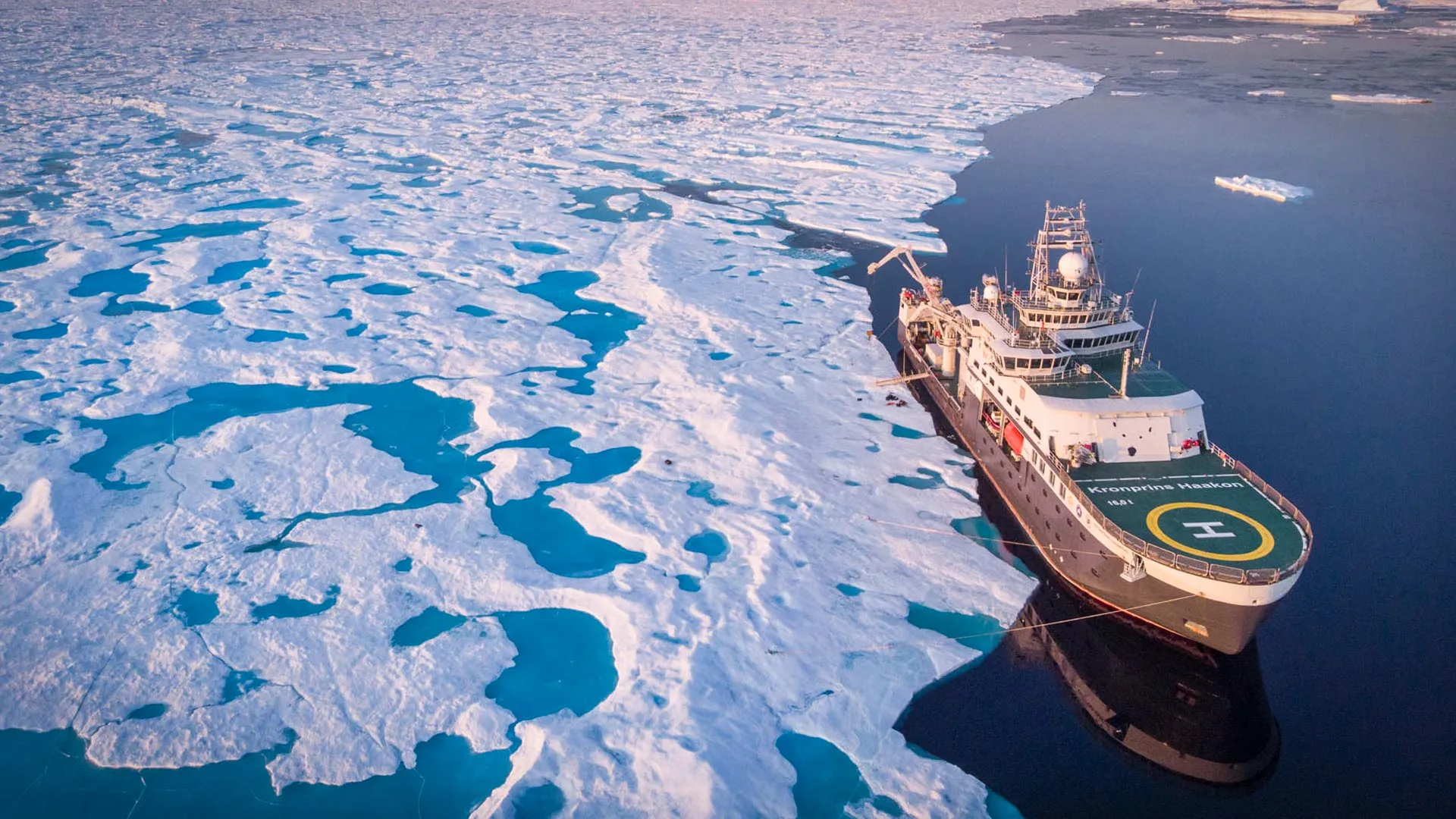
Scientists have identified a critical shift in the Arctic Ocean that may be irreversible. The rapid disappearance of sea ice is triggering a cascading chemical transformation: the ocean is losing nitrate, an essential nutrient that forms the base of Arctic food webs and supports plankton communities that feed fish, seals, and whales.
Research from the Arctic region reveals that this nutrient depletion is not a gradual decline but a sudden shift driven by sea ice loss. As ice diminishes, freshwater input patterns change, altering ocean stratification and chemical cycling in ways that reduce nitrogen availability. This mechanism represents a threshold event—once crossed, recovery may be impossible on human timescales.
The implications extend far beyond chemistry. Plankton communities depend on nitrate concentrations; their collapse would cascade through the entire Arctic ecosystem, affecting marine mammal populations, indigenous food security, and global fish stocks. Scientists warn that the window for intervention is narrowing as the Arctic warms faster than any other ocean region on Earth.
Research & Discoveries
High Biodiversity Confirmed in Deep-Sea Marine Protected Area
- Institution/Authors: International research team studying the "North Atlantic Current and Evlanov Sea Basin" marine protected area
- Key Finding: Genetic analysis of bottom-dwelling amphipods collected at nearly 6,000 meters depth revealed unexpectedly high species diversity within the newly established protected zone. A single sediment sample contained numerous distinct amphipod lineages, suggesting this deep-sea region harbors far greater biological complexity than previously understood.
- Why It Matters: The findings demonstrate that deep-sea MPAs can protect genuine biodiversity hotspots, reinforcing the scientific case for expanding marine protection into remote abyssal zones where ecosystem knowledge remains sparse.
Underwater Volcanoes Off Iceland Show Unexpectedly Disruptive Behavior
- Institution/Authors: International volcanology and oceanography research teams
- Key Finding: Earth's largest volcanic system—hidden in mountain chains beneath the ocean—has long been assumed to erupt only quietly. New research from the shallow seafloor off Iceland reveals a different story: these systems can produce disruptive eruptions that were previously underestimated.
- Why It Matters: Understanding seafloor volcanic dynamics is critical for assessing tsunami hazards, ocean chemistry disruption, and potential impacts on marine ecosystems near volcanic ridges.

Ocean & Climate Watch
Sewage Pollution Undermines Marine Protected Areas Globally
More than 70 percent of the world's marine protected areas are exposed to high levels of wastewater pollutants, according to recent research. This finding reveals a fundamental weakness in ocean conservation strategy: protected designation alone cannot shield marine life from land-based pollution. Sewage containing nutrient overload and chemical contaminants makes coral and other organisms more vulnerable to climate stress, potentially negating the protective benefits of MPAs.
Coral Reefs Face Worst Bleaching Event on Record in 2026
World Reef Awareness Day 2026 arrives amid the worst coral bleaching event ever recorded. The research community reports that 84% of surveyed reefs show signs of stress or active bleaching. Scientists emphasize that at 1.5°C of global warming, up to 90% of remaining coral reefs could be lost entirely, making the next few months a critical window for climate action and reef protection efforts.

Concrete Structures Offer Hope for Bombed and Bleached Reefs
Conservation groups in the Coral Triangle are testing artificial reef structures molded from concrete to restore severely damaged reef ecosystems. These structures provide substrate for coral larvae to settle and grow, offering a potential intervention pathway for reefs destroyed by bombing, dredging, or bleaching. While not a replacement for living reefs, such approaches may accelerate recovery in targeted restoration zones.
Conservation & Policy
Deep-Sea Marine Protected Areas Expand with Biodiversity Confirmation
The establishment and confirmation of biodiversity in deep-sea marine protected areas marks a significant policy win. The North Atlantic Current and Evlanov Sea Basin MPA now has scientific evidence supporting its conservation value, potentially strengthening the case for similar protections in other abyssal regions. This development aligns with international efforts to protect at least 30% of the ocean by 2030.
Global Ocean Cleanup Mobilizes 14 Countries for June Action
Fourteen organizations across 14 countries are uniting June 13–14 for the 2026 Global Ocean Cleanup. The multinational initiative brings together partners from Bermuda, Indonesia, Mexico, Togo, and other coastal nations to address plastic pollution and marine litter. This coordinated effort underscores growing international recognition that ocean cleanup requires collaborative, sustained action across borders.
Marine Technology & Exploration
AI-Powered Underwater Robots Transform Deep-Sea Data Collection
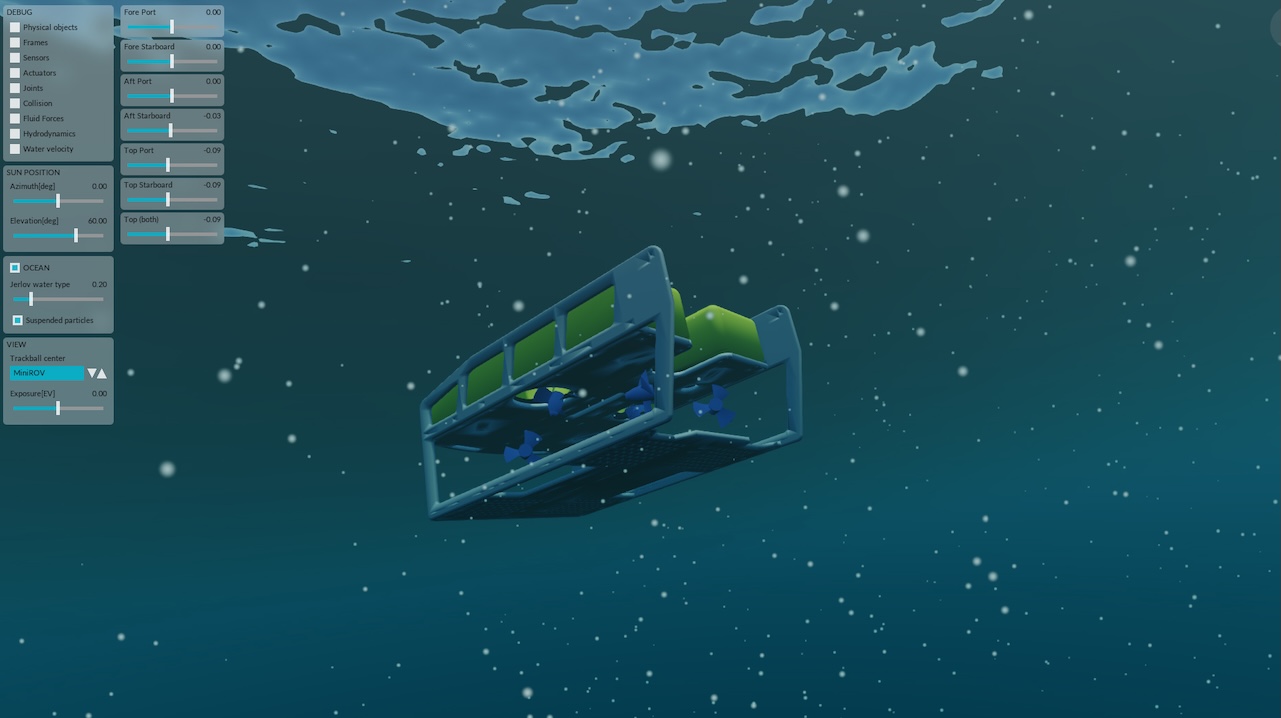
NSF-funded researchers at the Minnesota Interactive Robotics and Vision Laboratory are deploying advanced autonomous underwater vehicles (AUVs) powered by artificial intelligence. These robots collect vast amounts of oceanographic data, map species distributions, and create comprehensive habitat maps. The AI integration enables autonomous decision-making in remote environments, reducing reliance on real-time human control and expanding the scope of deep-sea exploration missions.
Deployable AI Systems Enhance Deep-Sea Discovery Missions
NOAA and partner institutions are developing deployable artificial intelligence systems for autonomous deep-sea exploration and discovery. These systems integrate with remotely operated vehicles (ROVs) and autonomous platforms to identify organisms, classify fauna, and detect phenomena of scientific interest in real time. FathomNet, a machine-learning database of deep-sea imagery, supports these efforts by training AI models on authentic marine observations.
What to Watch Next
- June 13–14, 2026: Global Ocean Cleanup initiative activates across 14 nations; results and lessons learned will indicate effectiveness of coordinated international pollution response
- Summer 2026: World Reef Monitoring reports will assess whether the record bleaching event moderates or intensifies; outcomes critical for understanding climate tipping points in tropical systems
- Ongoing: Deep-sea biodiversity surveys in newly protected areas will continue; expect additional species discovery announcements as AI-assisted exploration systems process expedition data
This content was collected, curated, and summarized entirely by AI — including how and what to gather. It may contain inaccuracies. Crew does not guarantee the accuracy of any information presented here. Always verify facts on your own before acting on them. Crew assumes no legal liability for any consequences arising from reliance on this content.
Powered by
