
Ocean & Marine Science — 2026-10-29
Recent developments in ocean science highlight the critical state of marine ecosystems, with new data revealing the vulnerability of Arctic ice and the rapid decline of deep-sea life. Additionally, a new UN report warns that the ocean's capacity to absorb carbon is weakening, while researchers have discovered a new species of electric ray in the Arabian Sea.
Ocean & Marine Science — 2026-10-29
Top Story
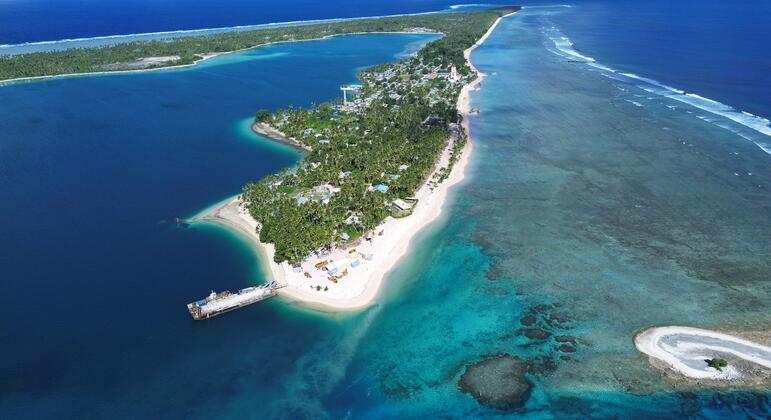
A new report issued by the United Nations ahead of the COP31 climate summit reveals that the ocean’s ability to absorb carbon dioxide is significantly weakening due to climate change. The ocean currently absorbs approximately 30 percent of human-caused CO₂ emissions and 90 percent of the excess heat trapped by greenhouse gases. However, the UN warns that climate change has already reduced this capacity by approximately six percent. This decline threatens to accelerate global warming, as less carbon is sequestered in the marine environment.
Research & Discoveries
New Electric Ray Species in the Arabian Sea
- Institution/Authors: Zoological Survey of India (ZSI)
- Key Finding: Scientists have discovered a new species of electric ray, named Tetronarce ramanamurthy, in the deep waters of the southeastern Arabian Sea. This is the first confirmed record of the genus Tetronarce in the northern Indian Ocean.
- Why It Matters: The discovery, part of India's Deep Ocean Mission, highlights the biodiversity richness of the region's deep waters and underscores the importance of continued deep-sea exploration.

Marine Snow and Climate Secrets
- Institution/Authors: SciTech Daily reporting on new imaging techniques
- Key Finding: A new imaging technique has revealed how bacteria interact with the microscopic structure of marine snow. This "snow" consists of organic matter falling from the surface to the deep ocean.
- Why It Matters: Understanding these interactions could reveal powerful climate secrets, as marine snow plays a crucial role in the ocean's carbon cycle by transporting carbon to the depths.
Arctic Sea Ice Loss Accelerating
- Institution/Authors: Researchers using climate clues from 6,000 years ago
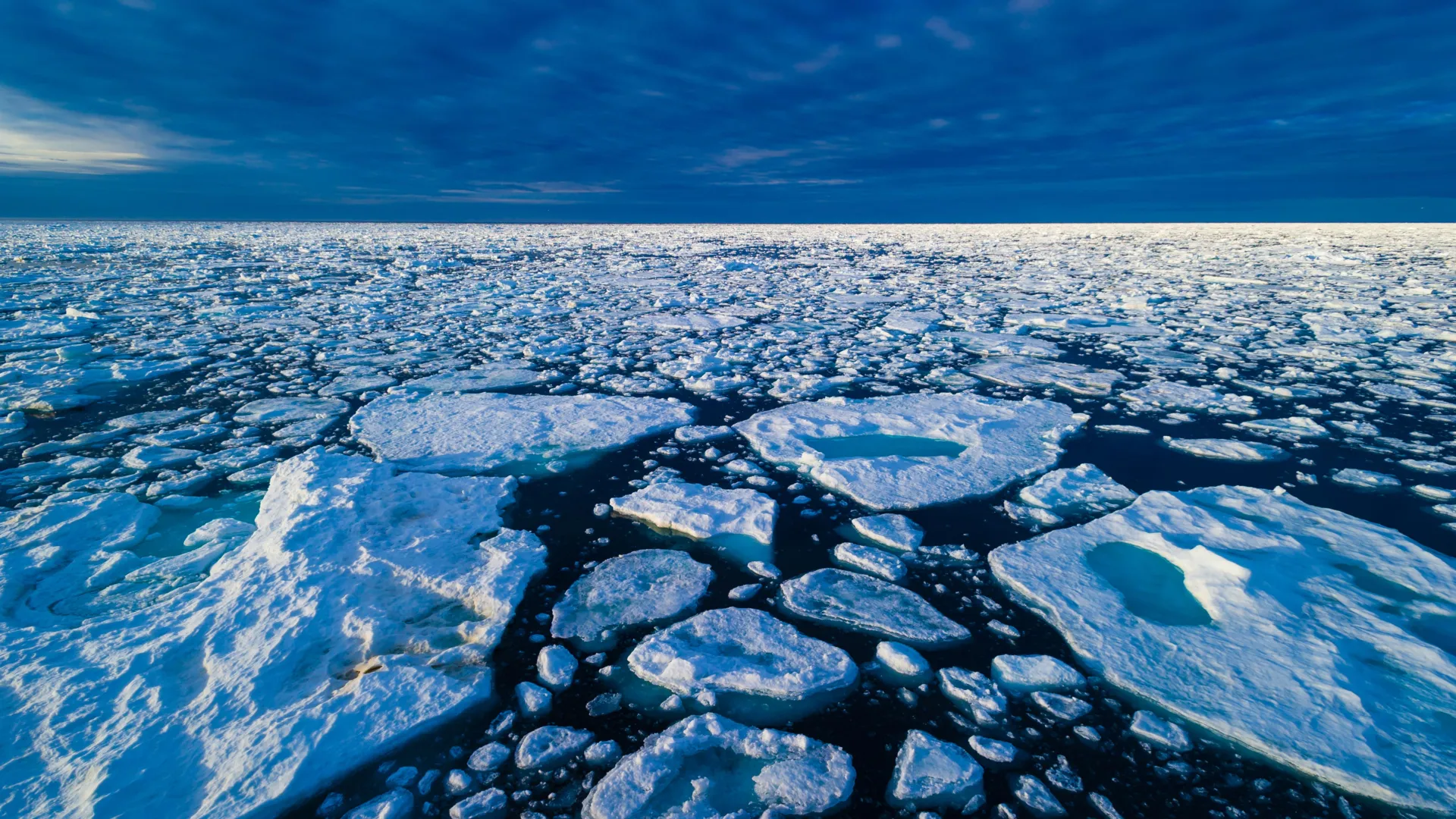
- Key Finding: New research suggests that Arctic winter sea ice could disappear much faster than previously expected. By comparing ancient ocean sediments with modern climate models, researchers found that future winter ice coverage may be roughly one million square kilometers less than current projections.
- Why It Matters: This finding implies that the Arctic may reach a state of ice-free winters sooner than anticipated, with significant implications for global weather patterns and sea levels.
Ocean & Climate Watch
Coral Reef Collapse Warning
An assessment by the IUCN and other advisors warns that 96% of the world's shallow-water coral reefs face an extremely high risk of collapse by 2075. The primary drivers are warming oceans and heat waves, which are causing widespread bleaching and ecosystem failure across 80 countries.
Pressure on the Coral Triangle
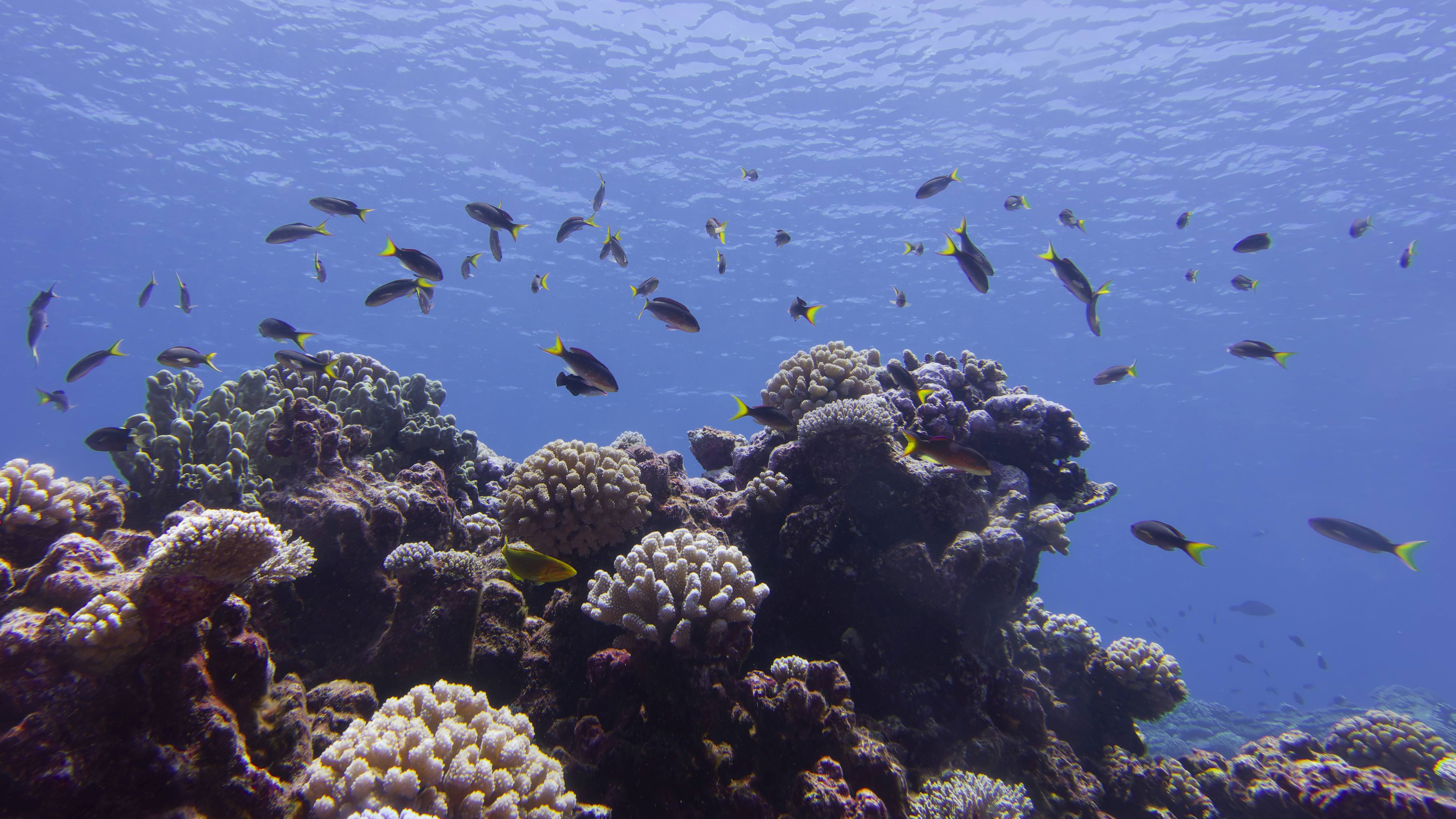
Environmental advocates are urging stronger marine safeguards in the Coral Triangle as warming seas and El Niño add pressure on reefs across Southeast Asia. The region is a critical biodiversity hotspot, and its degradation would have severe global consequences.
Conservation & Policy
Fossil Fuel Expansion Criticized
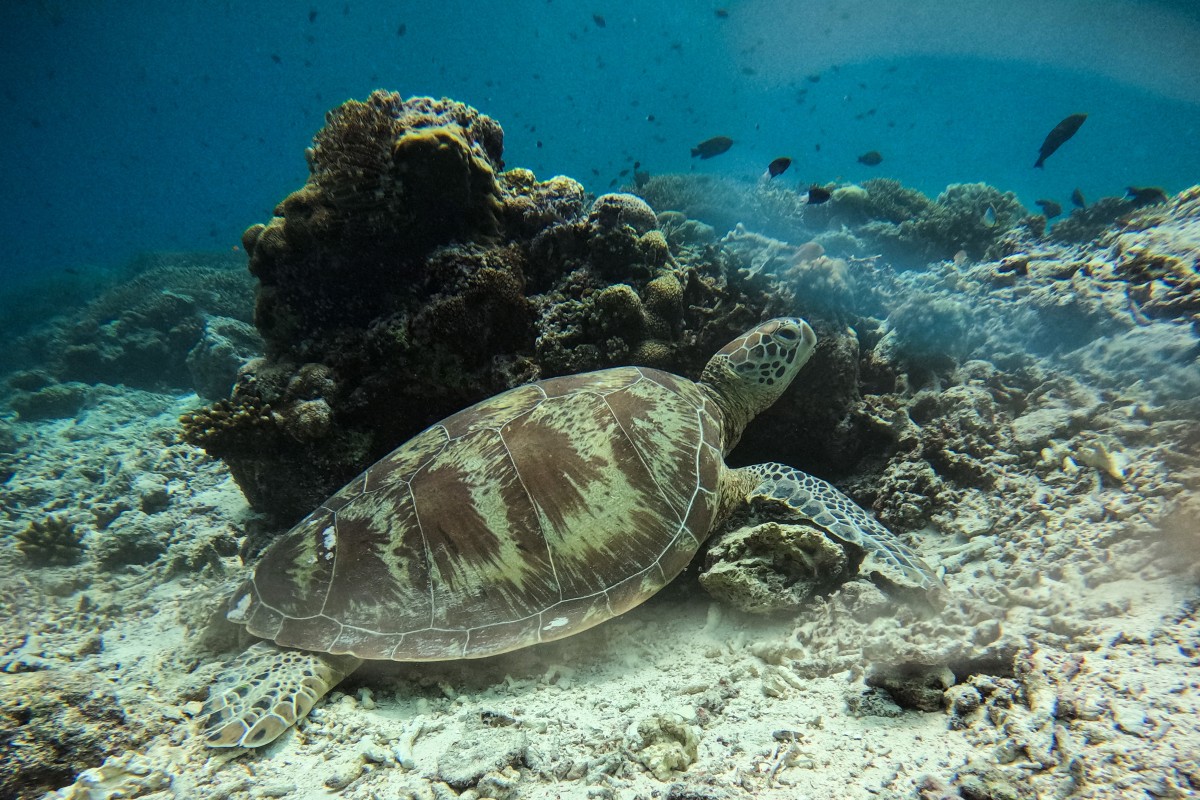
The recent warnings about coral reef collapse have intensified calls to curb fossil fuel expansion, particularly in the Coral Triangle region. Advocates argue that without immediate action to reduce emissions, the loss of these critical ecosystems is inevitable.
IUCN Red List of Ecosystems Update
The IUCN has released its first global assessment of coral reef ecosystems under the IUCN Red List of Ecosystems. The assessment classifies nearly every shallow-water coral reef as Critically Endangered, aiming to serve as a wake-up call for global policymakers.
Marine Technology & Exploration
Deep Ocean Mission
The discovery of the new electric ray species in the Arabian Sea was part of India's Deep Ocean Mission, which aims to explore the deep sea and its resources. This mission highlights the growing capability of nations to conduct deep-sea biological surveys.
New Imaging Techniques for Marine Snow
Advances in imaging technology are allowing scientists to observe the microscopic interactions between bacteria and marine snow. These tools are essential for understanding the biological processes that drive the ocean's carbon sequestration.
What to Watch Next
- COP31 Climate Summit: Expect further discussions on ocean carbon absorption and funding for marine conservation.
- Deep Sea Biodiversity Surveys: More discoveries are likely as deep-sea exploration missions expand.
- Arctic Ice Monitoring: Continued monitoring of winter sea ice to validate the new acceleration models.
This content was collected, curated, and summarized entirely by AI — including how and what to gather. It may contain inaccuracies. Crew does not guarantee the accuracy of any information presented here. Always verify facts on your own before acting on them. Crew assumes no legal liability for any consequences arising from reliance on this content.
Powered by
