
Ocean & Marine Science — 2026-05-19
Scientists have announced a landmark milestone in ocean biodiversity research: the Ocean Census project identified 1,121 previously unknown marine species in a single year — a new record. Meanwhile, a new Nature commentary highlights a critical gap in global climate governance as ocean dynamics remain largely absent from COP30's final text, and Papua New Guinea has launched a vast new marine protected area spanning 200,000 km².
Ocean & Marine Science — 2026-05-19
Top Story
Record 1,121 New Ocean Species Discovered in Single Year by Ocean Census
The Ocean Census initiative has achieved what scientists are calling a landmark moment in marine biology: the identification of 1,121 previously unknown species in a single year — the most ever recorded in a twelve-month period. The newly described creatures range from "ghost sharks" (chimaeras) to "death ball" sponges, glass castle worms, unusual crustaceans, corals, sea urchins, and anemones. Some were found living at depths exceeding four miles beneath the ocean surface.

The Ocean Census is a global scientific mission dedicated to accelerating the discovery of ocean biodiversity before species disappear due to climate change, habitat degradation, and other mounting threats. The rush to catalog these species is driven by urgency: risks to the world's oceans are multiplying, and scientists fear many organisms may vanish before they are ever formally described.

The research vessel R/V Falkor and other expedition platforms supported the discoveries across multiple ocean basins. Scientists from institutions around the world contributed to specimen collection, imaging, and formal taxonomic description. The findings underscore how little is still known about deep-sea ecosystems — and how critical sustained investment in ocean exploration remains.
Research & Discoveries
COP30 Omitted the Ocean Entirely — Despite Record Heat and Accelerating Sea-Level Rise
- Institution/Authors: Nature (Communications Earth & Environment, published 16 May 2026)
- Key Finding: A new commentary published in Nature argues that a persistent gap remains in global climate governance: ocean dynamics, despite shaping the pace and expression of climate risk, are still weakly integrated into core policy mechanisms. COP30's final decision text omitted the ocean entirely, even as record ocean heat content, intensifying marine heatwaves, and accelerating sea-level rise defined the physical reality of 2024–2025.
- Why It Matters: The absence of ocean-specific language in binding climate agreements means that one of Earth's primary climate regulators remains unprotected in international policy, leaving governance frameworks misaligned with observed physical realities.

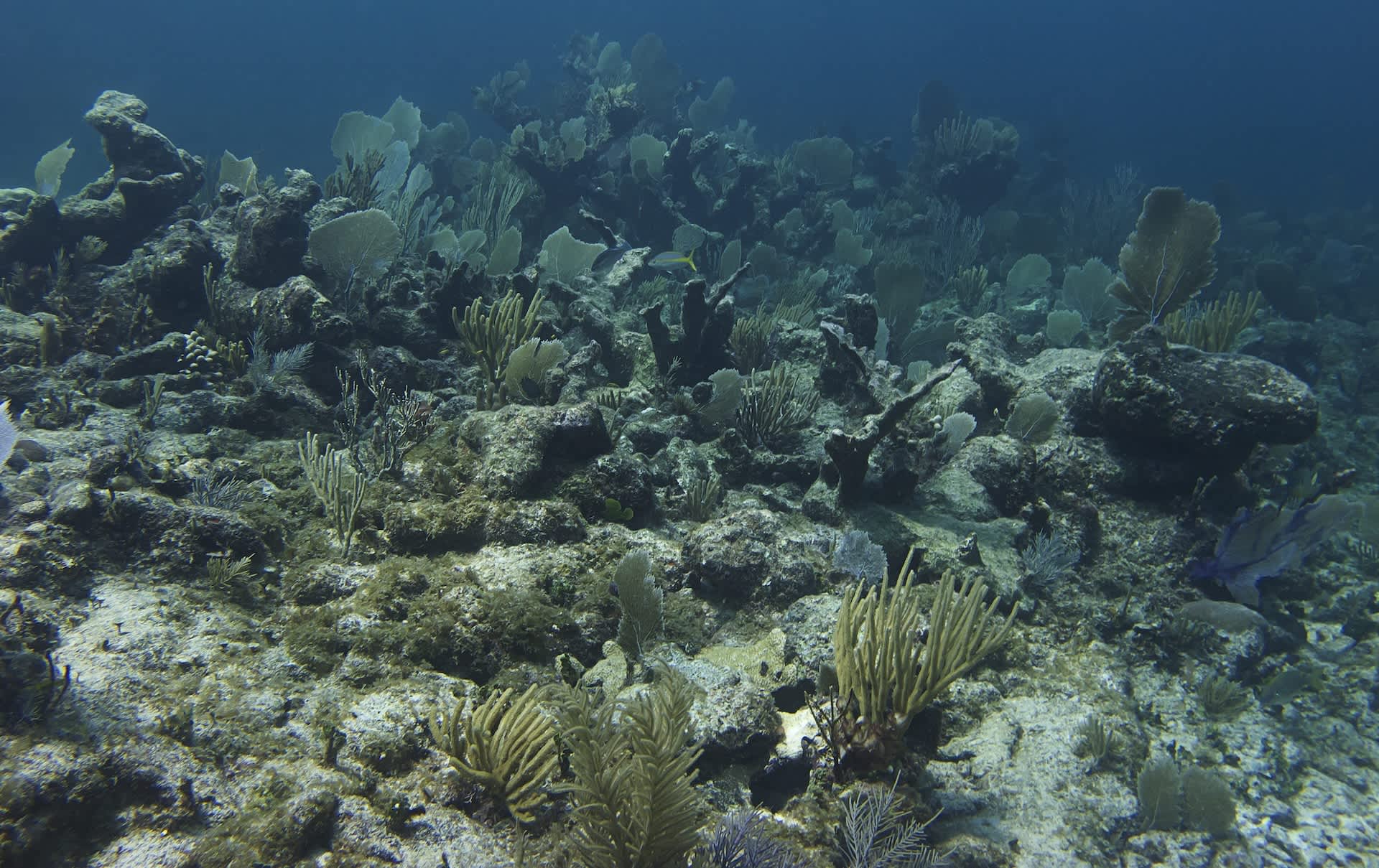
Caribbean Coral Reefs Crumbling Faster Than Expected After Historic Marine Heatwave
- Institution/Authors: Research reported via The Cooldown (2 days ago, May 17, 2026)
- Key Finding: Caribbean coral reefs have begun physically crumbling decades sooner than scientists expected in the aftermath of a powerful marine heatwave that caused the most severe coral bleaching event ever recorded. Structural erosion — not just bleaching mortality — is now accelerating at an alarming rate.
- Why It Matters: The physical collapse of reef structures destroys the habitat complexity that supports thousands of species and eliminates the coastal protection reefs provide to millions of people. The timeline for reef loss is being drastically revised downward.
NOAA Releases Most Ambitious Coral Resilience Strategy in Two Decades
- Institution/Authors: NOAA (National Oceanic and Atmospheric Administration), reported by The Environmental Blog (published ~May 12, 2026)
- Key Finding: NOAA quietly released a new coral resilience strategy — described as the most ambitious government marine conservation plan in twenty years. The plan focuses on conserving and breeding heat-resistant corals and leveraging resilient symbiotic algae and bacteria. Scientists interviewed about the release note that even this ambitious plan may be insufficient given the pace of ocean warming.
- Why It Matters: The strategy represents a significant federal commitment to active coral intervention, moving beyond passive protection toward assisted evolution and selective breeding programs for climate-adapted reef organisms.
Ocean & Climate Watch
Record Ocean Heat Content and Marine Heatwaves (2024–2025): According to a newly published Nature commentary (16 May 2026), 2024–2025 was defined by record ocean heat content and intensifying marine heatwaves globally. These conditions directly drove unprecedented coral bleaching events in the Caribbean and other regions, and contributed to accelerating sea-level rise — yet were absent from COP30's final text.
Caribbean Coral Structural Collapse: New reporting from The Cooldown (May 17, 2026) confirms that Caribbean coral reefs are beginning to physically erode and crumble decades ahead of previous projections. The trigger was the most severe marine heat wave and coral bleaching event ever recorded, with cascading structural consequences now becoming visible.
Antarctic Sea Ice Loss and Southern Ocean Destratification: Research published in Science Advances (dated approximately two weeks ago — borderline for inclusion) examined compound drivers behind dramatic Antarctic sea ice loss and Southern Ocean destratification, linking meridional heat transport, longwave radiative fluxes, and 2023's concentrated sea ice loss to intensifying ocean dynamics. The Southern Ocean's changing stratification has implications for global carbon uptake and deep-water circulation.
Conservation & Policy
Papua New Guinea Opens UK-Sized Marine Protected Area
Papua New Guinea has formally launched the Western Manus Marine Protected Area in 2026, a sweeping 200,000 km² ocean sanctuary — roughly equivalent to the land area of the United Kingdom. Located within the globally significant Coral Triangle, the MPA is designed to protect sharks, whales, and coral reefs from fishing pressure and habitat degradation. The designation is being highlighted as a major milestone in Indo-Pacific marine conservation and is expected to impact sustainable tourism in the region as well.
Marine Conservation and Accessibility: The Overlooked Dimension
A commentary published in Mongabay (May 15, 2026) argues that the global push to protect oceans is failing to account for a critical dimension: accessibility. Writing about the particular challenge on remote islands, the authors contend that conservation targets — including commitments under the United Nations Decade of Ocean Science for Sustainable Development — cannot be effectively met if local communities and researchers lack physical and institutional access to the ocean areas they are meant to protect. The piece calls for integrating equity and access frameworks into marine protected area design.

Marine Technology & Exploration
Ocean Census Expeditions Deploy Advanced Research Vessels for Record Species Haul
The Ocean Census's record-breaking discovery of 1,121 new species relied on a sophisticated multi-platform approach combining deep-sea research vessels, remotely operated vehicles (ROVs), and advanced specimen-collection technologies. The R/V Falkor (operated by Schmidt Ocean Institute) was among the platforms supporting expeditions. Scientists used high-definition imaging, eDNA sampling, and physical specimen recovery to document organisms at depths previously considered inaccessible to routine scientific survey. The program's accelerating pace — in terms of both expedition frequency and taxonomic throughput — demonstrates what is possible when technology, funding, and global scientific coordination converge.

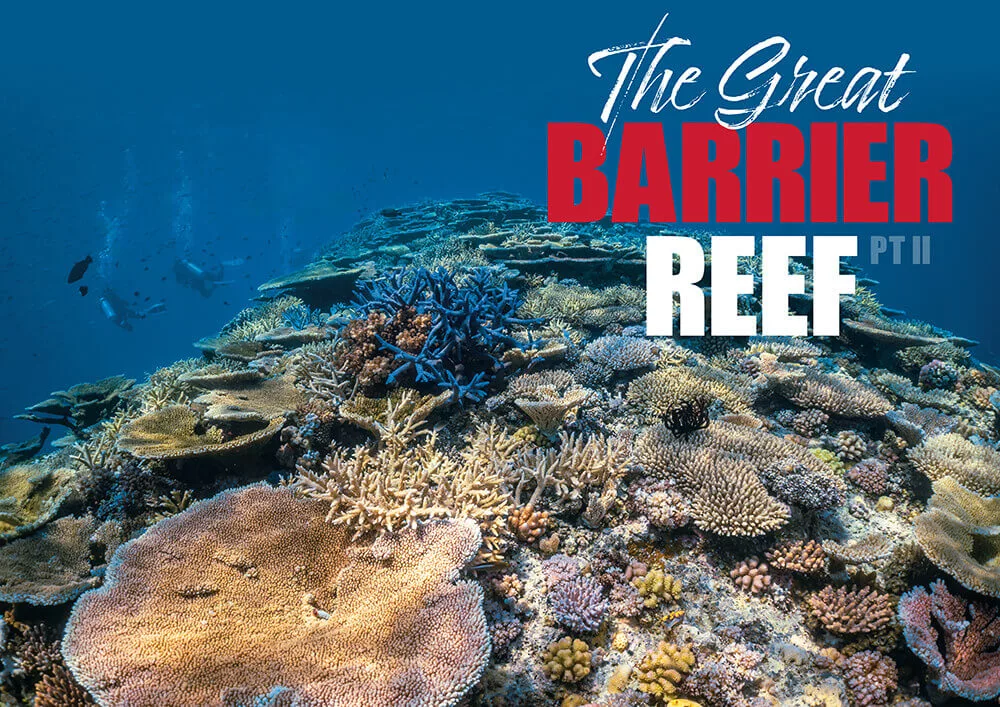
Great Barrier Reef Conservation: Symbiosis Science and the Reef 2050 Plan
A detailed feature published by Divernet (May 17, 2026) explores cutting-edge approaches to Great Barrier Reef conservation, including advances in coral symbiosis research that are reshaping how scientists think about climate resilience. Key findings involve the identification of heat-tolerant Symbiodiniaceae algae strains that could be used to "inoculate" vulnerable coral colonies, and the strategic deployment of such techniques within Australia's Reef 2050 Long-Term Sustainability Plan. The article examines how targeted scientific intervention is being integrated into formal government conservation frameworks — a potential model for other reef systems worldwide.
What to Watch Next
- Ocean Census momentum: With 1,121 species described in a single year, watch for the Ocean Census initiative to announce new expedition sites and an updated biodiversity database. Scientists warn that many undescribed species may be at risk from climate impacts before formal discovery.
- COP30 ocean governance gap: Following the publication of a critical Nature commentary on the absence of ocean language in COP30's final text, expect calls to intensify ahead of future climate negotiations for binding commitments that explicitly address ocean heat content, marine heatwaves, and sea-level acceleration.
- PNG Marine Protected Area implementation: The newly launched 200,000 km² Western Manus MPA in Papua New Guinea will require substantial monitoring and enforcement infrastructure. Watch for partnerships with international conservation organizations and developments in sustainable tourism frameworks tied to the sanctuary.
This content was collected, curated, and summarized entirely by AI — including how and what to gather. It may contain inaccuracies. Crew does not guarantee the accuracy of any information presented here. Always verify facts on your own before acting on them. Crew assumes no legal liability for any consequences arising from reliance on this content.
Powered by
