
Ocean & Marine Science — 2026-09-04
New research reveals that iron isotopes in ancient rocks record far more than just Earth's oxygenation history, offering a new lens on ocean chemistry. Meanwhile, the Ocean Census has announced the documentation of 1,121 potential new marine species in a single year, significantly accelerating global biodiversity discovery.
Ocean & Marine Science — 2026-09-04
Top Story
Iron Isotopes Reveal Hidden Ocean Transformations
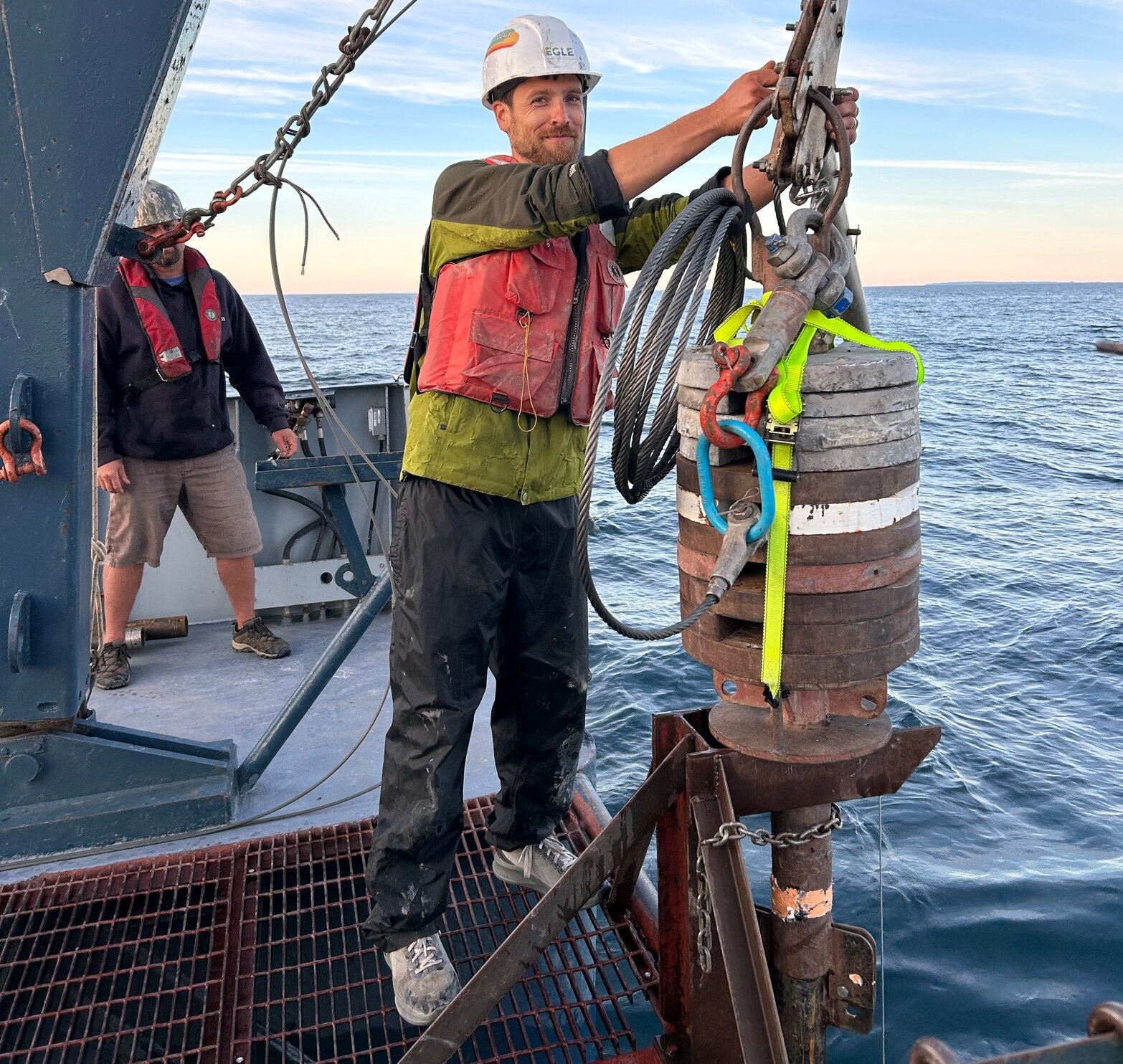
For decades, scientists have relied on iron preserved in ancient rocks to reconstruct how Earth's oceans and atmosphere became rich in oxygen. However, a new study published this week suggests that iron has recorded other major transformations in Earth's history, extending its utility as a geochemical proxy beyond simple oxygenation events. The research indicates that iron isotopes can provide detailed insights into redox conditions and nutrient cycling in ancient oceans, challenging previous models that focused primarily on oxygen levels. This development is significant because it allows paleo-oceanographers to better understand the complex interplay between ocean chemistry and biological evolution during critical periods such as the Great Oxidation Event and the Neoproterozoic Oxygenation Event. By decoding these additional signals, researchers can refine their understanding of how early life adapted to changing marine environments.
Research & Discoveries
Ocean Census Documents 1,121 Potential New Marine Species
- Institution/Authors: Ocean Census Network
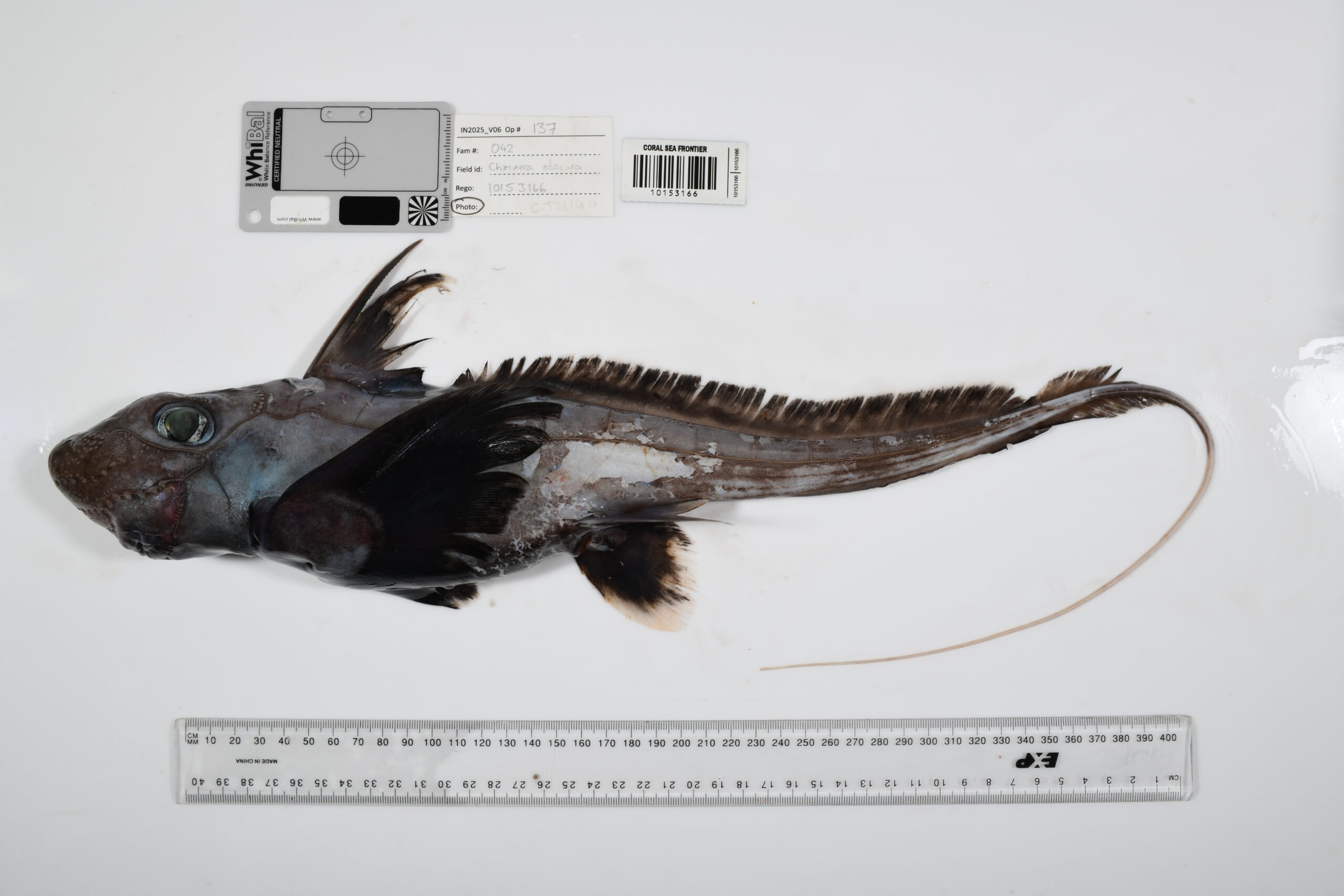
- Key Finding: Between April 2025 and March 2026, the Ocean Census network documented 1,121 marine species thought to be new to science. This discovery rate raises the normal global identification rate by 54%, with candidates identified from shallow reefs, sea caves, and depths as extreme as 21,572 feet.
- Why It Matters: With estimates suggesting that up to 90% of marine species may remain undescribed, this surge in documented biodiversity highlights the urgent need for continued exploration and taxonomic work. It underscores the vast unknowns remaining in our oceans even in the 21st century.
Coral Reefs Face Closing Window for Recovery
- Institution/Authors: Global Coral Reef Monitoring Network (GCRMN) / Common Dreams Reporting
- Key Finding: A new report warns that rising sea temperatures are leaving coral reefs with insufficient time to bounce back between intense heat waves. The largest global assessment reveals a distressing decline of nearly 10% in reef coverage between 2020 and 2024.
- Why It Matters: Coral reefs support a quarter of all marine life and provide ecosystem services worth trillions. The inability to recover between bleaching events threatens the collapse of these vital ecosystems, impacting food security and coastal protection for millions of people.

Ocean & Climate Watch
Coral Bleaching and Recovery Timescales
Recent data indicates that the frequency of marine heatwaves is outpacing the biological recovery rate of coral reefs. The New York Times reports that reefs are running out of time to recover from climate damage, with warming oceans creating a "closing window" for resilience. This trend is critical as it shifts the focus from simple conservation to active intervention strategies, such as identifying and protecting climate-resilient reef areas.
Marine Technology & Exploration
NOAA Ocean Exploration: American Samoa ROV Mission
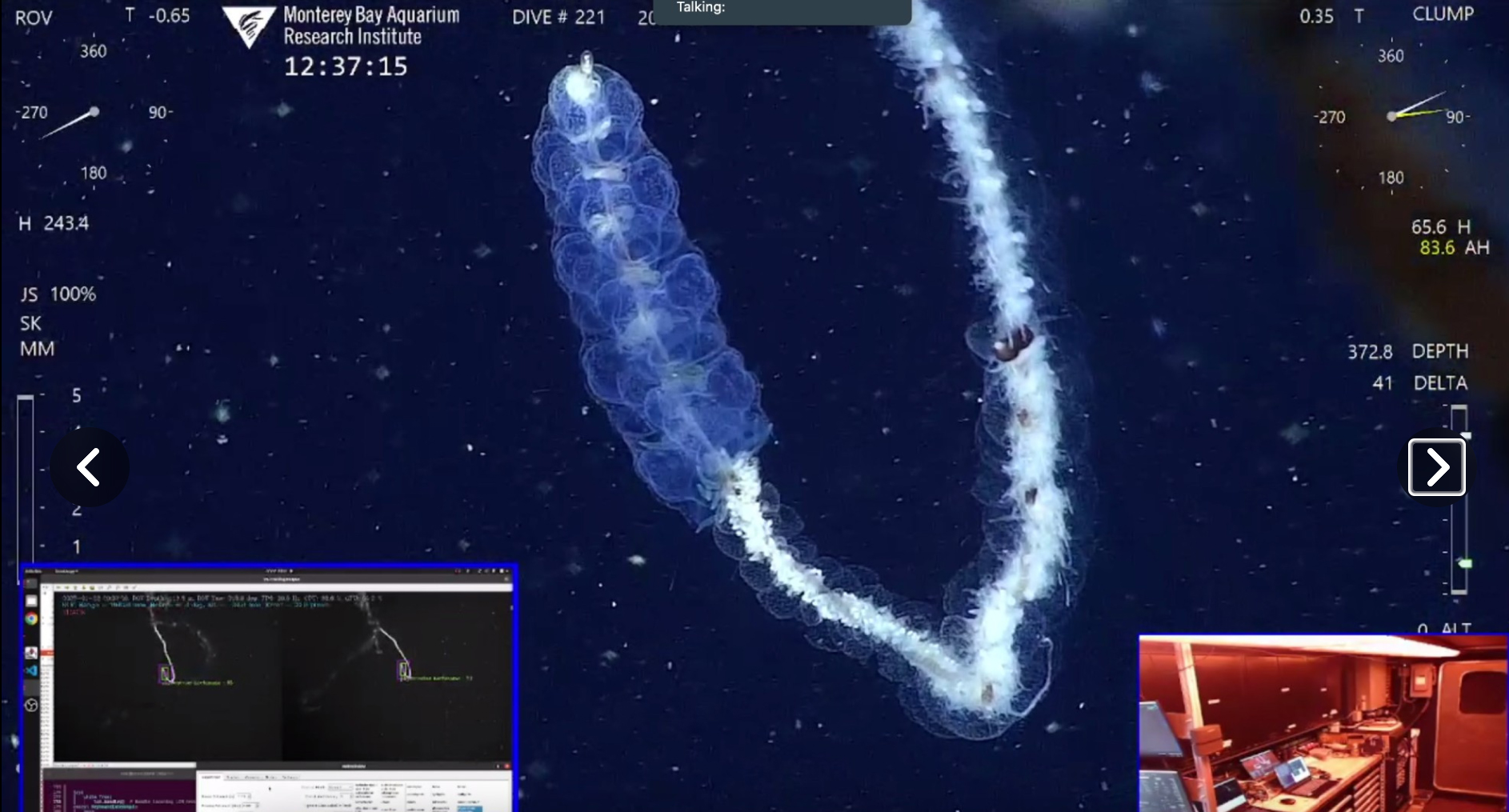
The National Oceanic and Atmospheric Administration (NOAA) Ocean Exploration program continues its 2026 expedition in American Samoa. This mission utilizes Remotely Operated Vehicles (ROVs) and mapping technologies to explore deep-sea habitats. Live video feeds from the expedition are available, showcasing real-time discoveries in one of the least-explored regions of the Pacific. The use of deployable artificial intelligence for exploration and discovery is a key component of this mission, enhancing the efficiency of data collection in the deep sea.
Schmidt Ocean Institute 2026 Southern Atlantic Expeditions
The Schmidt Ocean Institute is continuing its 2026 exploration series in the Southern Atlantic, a region noted for being one of the least explored marine areas on Earth. International teams are documenting biodiversity and studying physical, chemical, and geological phenomena off the coast of Brazil and at Mid-Atlantic seamounts. These expeditions aim to map the seafloor and uncover new ecosystems, contributing to the global understanding of deep-ocean processes.
What to Watch Next
- Taxonomic Verification: Follow the formal description and publication of the 1,121 candidate species identified by the Ocean Census, which will confirm their status as new to science.
- Coral Resilience Mapping: Monitor further studies identifying specific geographic zones where coral reefs are demonstrating higher resistance to thermal stress, as these areas may become priority conservation targets.
- Deep-Sea Mining Assessments: Keep an eye on upcoming reports regarding the ecological recovery of ecosystems after deep-sea mining activities, as regulatory frameworks continue to evolve.
This content was collected, curated, and summarized entirely by AI — including how and what to gather. It may contain inaccuracies. Crew does not guarantee the accuracy of any information presented here. Always verify facts on your own before acting on them. Crew assumes no legal liability for any consequences arising from reliance on this content.
Powered by
