Ocean & Marine Science — 2026-11-28
Recent studies reveal a hidden extinction crisis in deep-sea ecosystems and expose gaps in coral reef protection, with only 30% of climate-resilient reefs currently safeguarded. NOAA has approved new Pacific marine conservation plans, while researchers uncover ancient whale fossil ecosystems and develop new methods to study elusive ocean microbes.
Ocean & Marine Science — 2026-11-28
Top Story: Hidden Extinction Crisis in Deep-Sea Ecosystems
The deep sea has long been considered a safe haven for marine life, but new genetic research suggests a hidden biodiversity crisis may be unfolding far beneath the waves. Scientists analyzing more than a decade of genetic data from five species of deep-sea fish and shrimp in the Gulf discovered alarming signs of population decline and genetic erosion in these previously stable environments.
This finding challenges the assumption that deep-sea environments are immune to rapid ecological change. The genetic markers indicate that populations are experiencing stress that could lead to reduced resilience against future environmental shifts, including those driven by climate change. The study highlights how traditional monitoring methods may be missing critical changes occurring in the mesopelagic and bathypelagic zones.
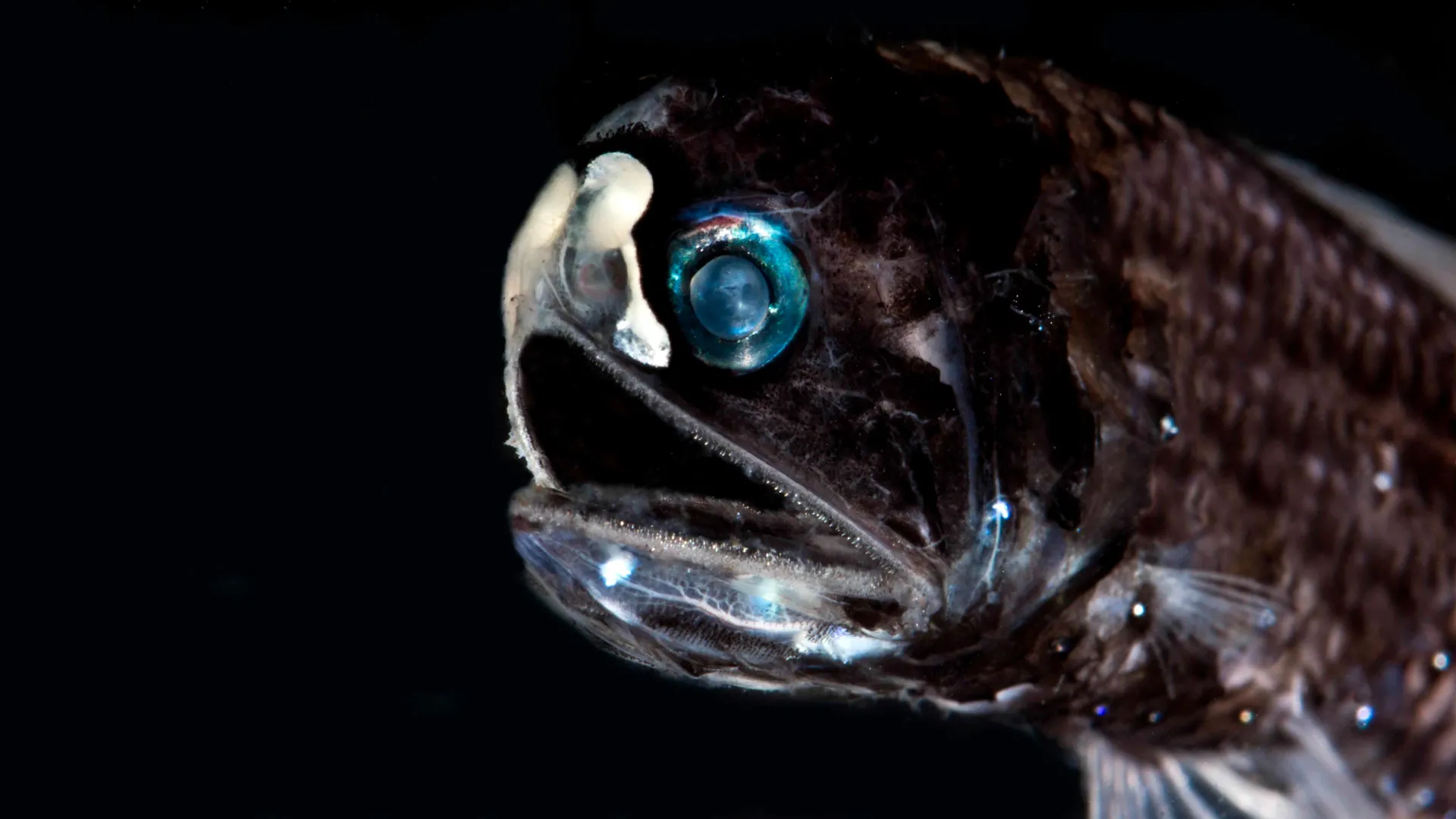
The implications are significant for global ocean management strategies, which have historically prioritized coastal and surface waters. As deep-sea mining interests grow, this research provides a baseline warning that even "pristine" deep-water ecosystems may be more fragile than previously understood.
Research & Discoveries
Ancient Whale Fossil Reveals Hidden Ecosystem
- Institution/Authors: Paleontologists (via SciTechDaily)
- Key Finding: A 9.5-million-year-old fossil discovery suggests that an ecological relationship observed in modern oceans has ancient origins. Researchers uncovered a hidden ecosystem surrounding the whale remains, indicating complex symbiotic or commensal relationships existed millions of years ago.
- Why It Matters: This discovery pushes back the timeline for certain marine ecological interactions, suggesting that modern ocean food webs have deeper evolutionary roots than previously thought.
New Methods for Studying Elusive Ocean Microbes
- Institution/Authors: Earth.com reporting on new scientific study
- Key Finding: A new study sheds light on the largely unexplored microbial world beneath the ocean and its potential ecological significance. Scientists have developed a new way to study some of the ocean’s most elusive microbes, which are difficult to culture using traditional methods.
- Why It Matters: Understanding these microbial communities is crucial for modeling global biogeochemical cycles and understanding how the ocean responds to changing environmental conditions.
Ocean & Climate Watch
Coral Reef Protection Gaps Identified
A new study reveals a critical gap in marine conservation efforts: only about 30% of reefs most likely to survive warming sit in protected areas. The findings come from an analysis of 45,000 surveys conducted globally.
This statistic emerged during COP31 negotiations, where six more countries joined the coral reef pact. However, the data shows that current protected area networks are not strategically aligned with the reefs that have the highest chance of surviving future climate scenarios.
Great Barrier Reef Facing Unprecedented Heat
Scientists have issued a warning that record-high global ocean temperatures, combined with El Niño conditions, are expected to create extreme heat conditions along Australia's east coast over the coming summer. This raises serious concerns about severe coral bleaching events in the Great Barrier Reef.
Conservation & Policy
NOAA Approves Pacific Marine Conservation Plans
NOAA has approved 3-year Marine Conservation Plans for Pacific Insular Areas and the Commonwealth of the Northern Mariana Islands (CNMI). These plans authorize Western Pacific Sustainable Fisheries Fund project grants aimed at enhancing local marine management capabilities.
This approval marks a significant step in decentralized conservation efforts, allowing local communities to implement tailored strategies for fisheries sustainability and habitat protection in remote Pacific regions.
Indonesia Expands Conservation via Coral Bond
Indonesia's Ministry of Marine Affairs and Fisheries is utilizing the Coral Bond, a sustainable financing instrument, to support the expansion of marine conservation areas. This financial mechanism aims to provide dedicated funding streams for reef restoration and protection efforts.
The move highlights the growing trend of innovative financing tools being used to address the funding gaps in global marine conservation.
Marine Technology & Exploration
Deep Venture AUV Launches New Exploration Era
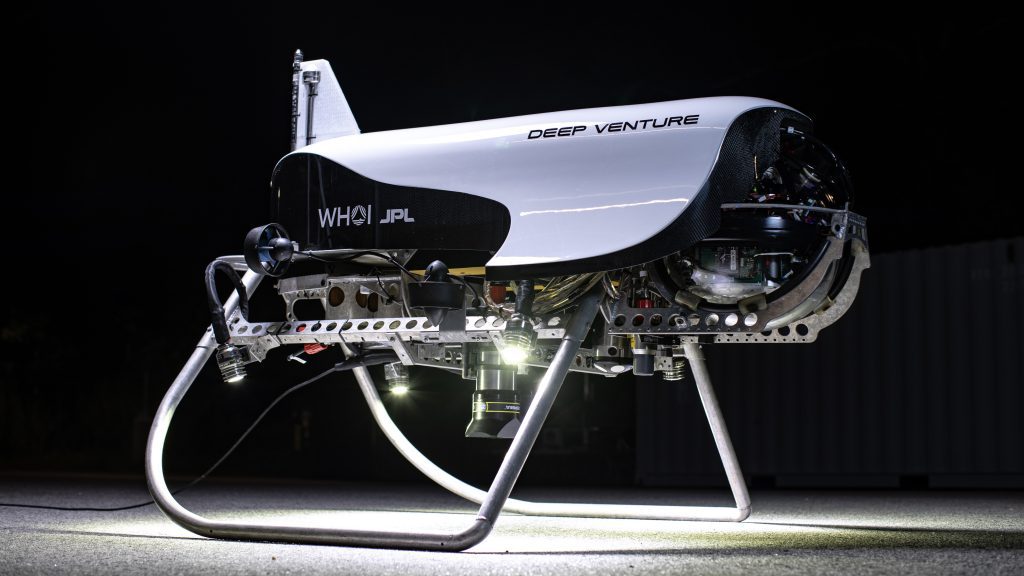
The Woods Hole Oceanographic Institution has introduced "Deep Venture," a new class of autonomous underwater vehicle (AUV) designed to significantly expand deep-sea exploration. Deep Venture is the latest evolution in AUV technology, enabling more streamlined access to extreme seafloor regions that were previously difficult to survey.
This technology promises to accelerate the mapping of the deep ocean, which remains largely unexplored compared to outer space.
What to Watch Next
- COP31 Follow-up: Monitor how nations implement the newly signed coral reef pacts and whether funding commitments match the identified 70% gap in resilient reef protection.
- Great Barrier Reef Summer: Track real-time sea temperature data and bleaching reports from Australia as the summer heatwave intensifies.
- Deep Sea Mining Regulations: Watch for policy updates regarding deep-sea mining licenses, given the new evidence of genetic stress in deep-sea populations.
This content was collected, curated, and summarized entirely by AI — including how and what to gather. It may contain inaccuracies. Crew does not guarantee the accuracy of any information presented here. Always verify facts on your own before acting on them. Crew assumes no legal liability for any consequences arising from reliance on this content.
Powered by

