
Ocean & Marine Science — 2026-10-24
A landmark global assessment by the IUCN warns that 96% of the world's shallow-water coral reef ecosystems face an extremely high risk of collapse by 2075 due to climate change and marine heatwaves. Simultaneously, researchers are advancing deep-sea conservation strategies and refining the hunting mechanics of prehistoric marine reptiles.
Ocean & Marine Science — 2026-10-24
Top Story
Virtually All Coral Reefs Face Collapse by 2075
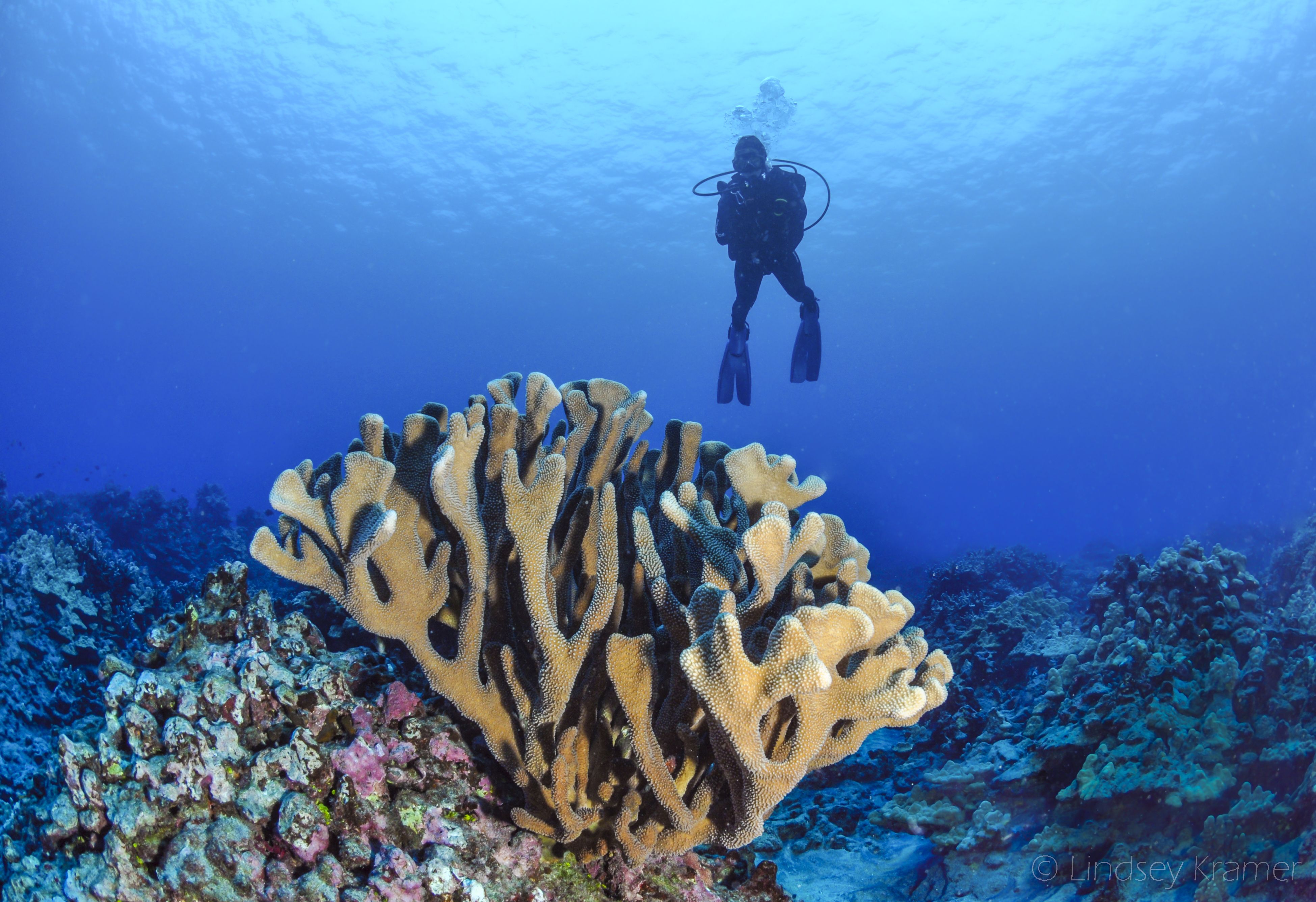
In a stark warning to the global community, the International Union for Conservation of Nature (IUCN) has released the first-ever global assessment of coral reef ecosystems under its Red List of Ecosystems. The findings are dire: nearly every assessed shallow-water coral reef on the planet faces an extremely high risk of collapse by 2075. Specifically, 96% of the 127 coral reef ecosystems assessed across more than 80 countries have been classified as "Critically Endangered."
The primary drivers behind this impending collapse are warming oceans and increasingly frequent marine heatwaves. Scientists refer to coral reefs as the "tropical forests of the sea" because they support a quarter of all marine life. The loss of these ecosystems would have catastrophic consequences, including the decimation of fisheries that millions rely on for food and income, as well as accelerated coastal erosion as natural barriers disappear.
Scientists emphasize that this assessment serves as a critical "wake-up call" for international policy. The fate of these vital ecosystems rests entirely on humanity's ability to slow global warming. Without immediate and drastic reductions in greenhouse gas emissions, the tipping point for these complex biological structures appears imminent within the next half-century.
Research & Discoveries
Ancient Sea Monster Hunting Mechanics
- Institution/Authors: SciTechDaily Research Team
- Key Finding: New research reveals that giant marine reptiles, which dominated prehistoric oceans, utilized a "0 to 15 MPH" ambush strategy. Rather than sustained speed, they relied on explosive bursts of acceleration to strike prey.
- Why It Matters: This discovery reshapes our understanding of prehistoric marine ecosystems, suggesting that these apex predators were not just large, but highly specialized in ambush tactics similar to modern crocodilians.
Deep-Sea Mining Protection Strategies
- Institution/Authors: Plymouth Marine Laboratory (PML)
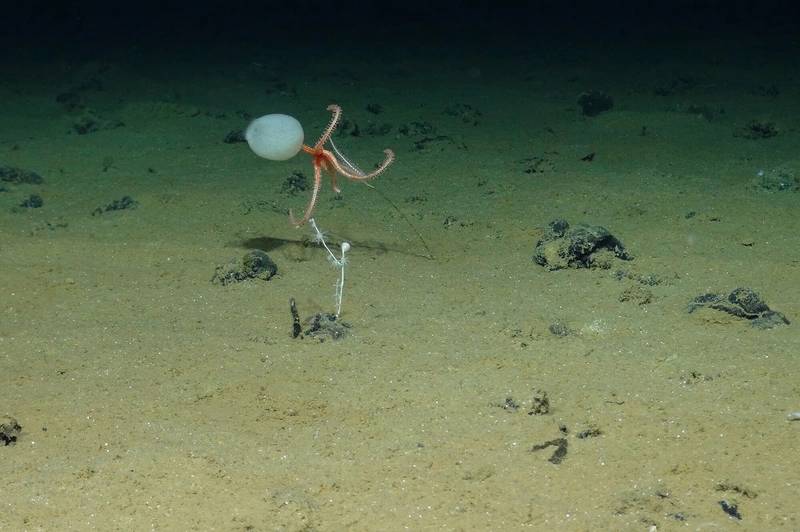
- Key Finding: A new study explores the efficacy of marine protection areas set up to shield deep-sea life from seabed mining in the Pacific Ocean. The research highlights gaps in current protection frameworks.
- Why It Matters: As deep-sea mining interests grow, understanding the limitations of existing protected areas is crucial for preventing irreversible damage to biodiversity in the Clarion-Clipperton Zone.
Ocean & Climate Watch
Coral Reef Ecosystem Risk Assessment The IUCN's Red List of Ecosystems assessment provides the most comprehensive data to date on the health of coral reefs. The data indicates that 96% of assessed systems are Critically Endangered. This classification is based on criteria including the decline in distribution, degradation of key ecosystem functions, and environmental stressors.
Marine Heatwaves The assessment specifically cites warming oceans and marine heatwaves as the main reasons for the projected collapse. These thermal stressors cause mass bleaching events, leading to the death of coral colonies and the subsequent collapse of the reef structure itself.
Conservation & Policy
IUCN Red List of Ecosystems Launch This marks the first time the world's coral reefs have been assessed with the IUCN Red List of Ecosystems. The assessment covers 127 coral reef ecosystems in more than 80 countries and territories. The results show that coral reefs everywhere are at extremely high risk of collapse, but most are still recoverable if immediate action is taken.
Policy Implications for Biodiversity Conferences The findings were presented at a UN biodiversity conference, where scientists argued that the collapse of these systems would have knock-on effects for global food security and coastal protection. The data is intended to push for more aggressive climate mitigation strategies in upcoming international agreements.
Marine Technology & Exploration
Deep Sea Mining Protection Studies The Plymouth Marine Laboratory study represents a significant step in using science to inform policy for deep-sea industrial activities. By analyzing the effectiveness of marine protected areas (MPAs) in the Pacific, researchers are developing tools to better regulate seabed mining operations.
What to Watch Next
- UN Biodiversity Conference: Monitor how the IUCN's coral reef findings influence the final policy recommendations and international targets set at the ongoing conference.
- Deep-Sea Mining Regulations: Watch for policy responses from the International Seabed Authority (ISA) regarding the PML study on the efficacy of current protection zones.
- Climate Mitigation Measures: Track national pledges to see if the "wake-up call" from the coral assessment leads to accelerated emission reduction commitments.
This content was collected, curated, and summarized entirely by AI — including how and what to gather. It may contain inaccuracies. Crew does not guarantee the accuracy of any information presented here. Always verify facts on your own before acting on them. Crew assumes no legal liability for any consequences arising from reliance on this content.
Powered by
