
Ocean & Marine Science — 2026-05-26
Scientists and science journalists are buzzing this week with fresh coverage of the Ocean Census initiative's landmark discovery of over 1,100 new marine species — the largest single-year haul in recorded history. Meanwhile, a New York Times investigation shines a light on concrete reef restoration efforts in the Coral Triangle, and NOAA's ambitious new coral resilience strategy sparks debate over whether conservation ambitions can keep pace with climate change.
Ocean & Marine Science — 2026-05-26
Top Story
Record-Breaking Ocean Census: 1,121 New Species Discovered in a Single Year
In what scientists are calling a landmark moment for marine biology, the Ocean Census initiative has confirmed the discovery of 1,121 previously unknown marine species over a span of roughly one year — the largest number ever recorded in a single annual effort. The initiative, which describes itself as the world's largest mission to accelerate species discovery, conducted 13 expeditions and partnered with research teams globally to uncover hundreds of creatures hiding in plain sight beneath the waves.
Among the most striking finds are a deep-sea "ghost shark" (a chimaera), symbiotic worms, peculiar crustaceans, and tiny dwarf gobies. Many specimens were collected from poorly explored regions of the ocean floor, reinforcing scientific consensus that the vast majority of ocean life remains undescribed. The Ocean Census was launched with a target of cataloguing 100,000 new species — and this year's haul represents a major stride toward that goal.
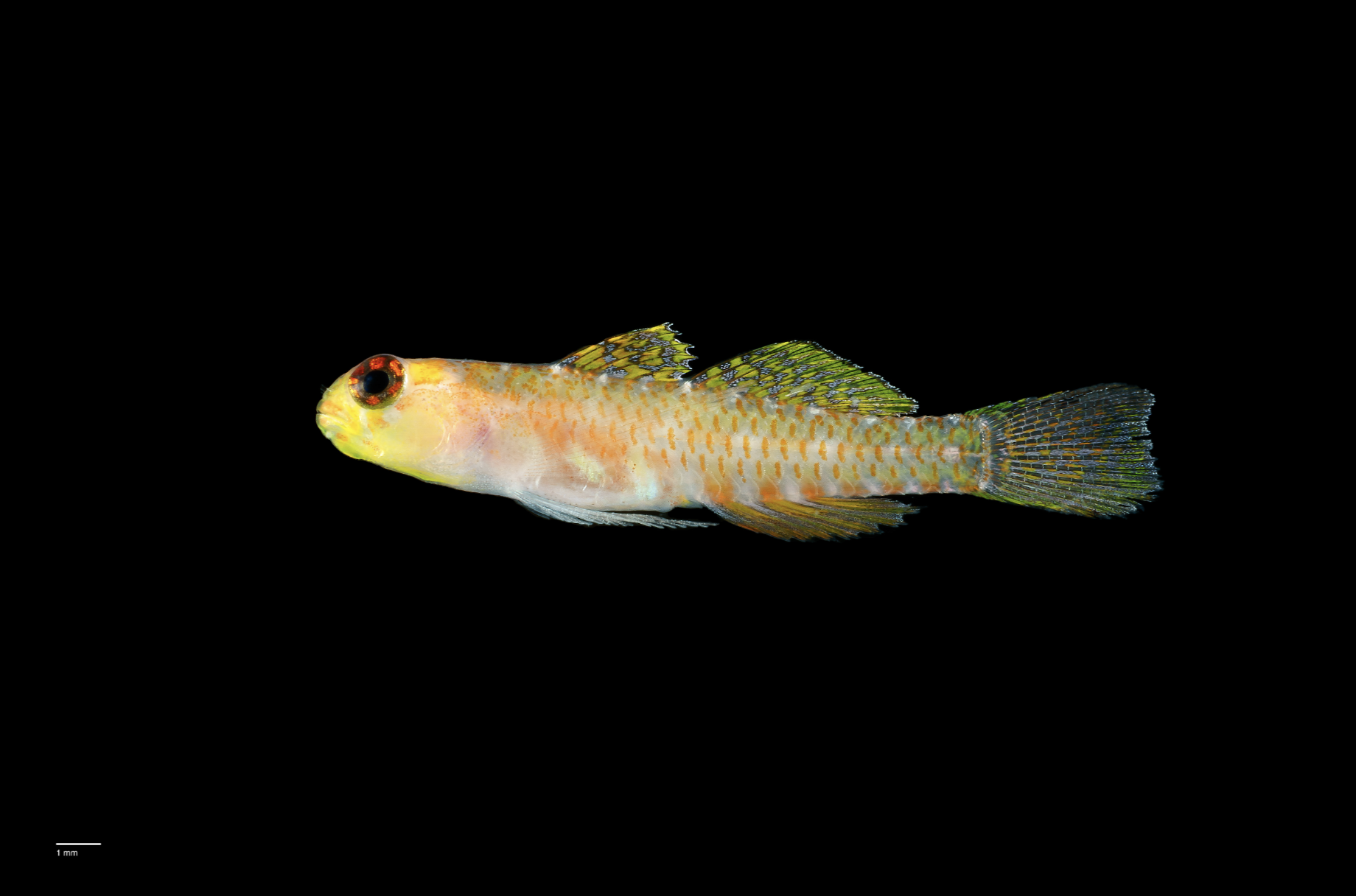
Coverage from Scientific American, Mother Jones, and ABC News Australia this week highlighted the visual spectacle of many discoveries — translucent, ghostly, and bioluminescent forms adapted to perpetual darkness and crushing pressure. Scientists emphasize these findings underscore how poorly we understand the ocean ecosystem and how critical it is to document biodiversity before further habitat degradation occurs.

Research & Discoveries
Chlorophyll Patterns Found to Sustain Multi-Year La Niña Conditions
- Institution/Authors: Research teams publishing in Nature ocean sciences
- Key Finding: Chlorophyll patterns in the ocean surface modulate sea surface temperature gradients, and new coupled ocean physics–biogeochemical simulations demonstrate that these biological signals help sustain multi-year La Niña conditions. The interaction between marine biology and large-scale climate cycles is more significant than previously modeled.
- Why It Matters: These findings suggest that ocean biology is not merely a passive responder to climate but an active participant in shaping it — with implications for improving long-range climate forecasts and El Niño/La Niña prediction accuracy.
Increased Ocean Stratification Drives ~1°C Subsurface Warming in Nordic Seas
- Institution/Authors: Research published in Nature Communications
- Key Finding: New modeling work shows that increasing stratification in the upper ocean drives approximately 1°C of subsurface warming within a decade, and triggers a reorganisation of oceanic circulation that can further enhance surface warming specifically in the Nordic Seas.
- Why It Matters: The Nordic Seas are a critical node in the global ocean conveyor belt. Localized warming there could accelerate ice melt and alter deep water formation, with cascading effects on global climate regulation.
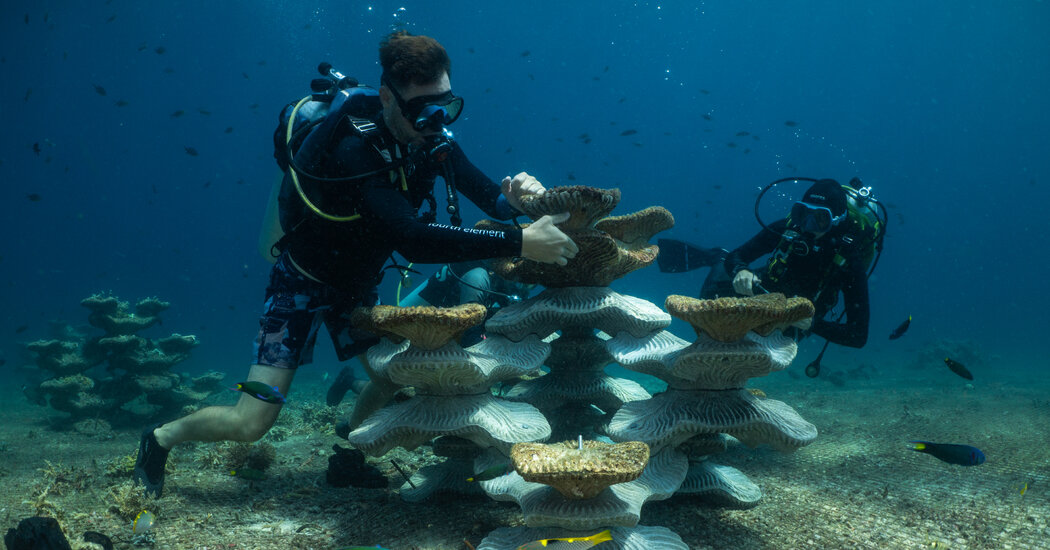
Concrete Reef Molds Trialed to Revive Bomb-Damaged Reefs in the Coral Triangle
- Institution/Authors: Conservation group working in the Coral Triangle, Malaysia (reported by The New York Times, published May 24, 2026)
- Key Finding: In a devastated section of the Coral Triangle in the Pacific Ocean — a region heavily impacted by destructive fishing practices and climate-driven bleaching — a conservation group is deploying concrete molds designed to mimic natural reef structures. Early results suggest coral larvae can colonise artificial structures as effectively as natural rubble.
- Why It Matters: The Coral Triangle hosts the highest marine biodiversity on Earth. Innovative physical restoration tools, paired with heat-resistant coral seeding programs, may offer a scalable pathway to reef recovery where natural regeneration has stalled.
Ocean & Climate Watch
NOAA Releases Ambitious Coral Resilience Strategy NOAA quietly released a new Coral Resilience Strategy — described by The Environmental Blog as "the most ambitious government marine conservation plan in 20 years." The plan, released on a Friday in May, outlines a broad suite of interventions ranging from assisted evolution of heat-tolerant coral strains to large-scale water quality improvements around reef zones. Scientists familiar with the plan have acknowledged its scope but warn it may still fall short of what the ecological crisis demands given the pace of ocean warming.
Sea Ice Loss and Southern Ocean Destratification — Compound Drivers Identified Research published recently in Science Advances identifies compound drivers behind the dramatic Antarctic sea ice losses observed in recent years. The study links intense polar cyclones to the formation of open-ocean polynyas in the Weddell Sea and connects summertime sea ice reduction to broader Southern Ocean destratification. Researchers note this warming pattern is reinforcing itself, making recovery increasingly difficult without significant reductions in global greenhouse gas emissions.
Cumulative Pressures on Marine Ecosystems Projected to More Than Double by Mid-Century A study in Science projects that cumulative human-driven impacts on global marine ecosystems — from fishing pressure, pollution, warming, and acidification — are on track to more than double by the middle of this century under current trajectories. The research incorporates updated socio-ecological indicators and digital twin modeling frameworks, providing some of the most granular regional projections to date on where marine systems face the greatest compounding risk.
Conservation & Policy
NOAA Coral Resilience Strategy Draws Mixed Scientific Reaction
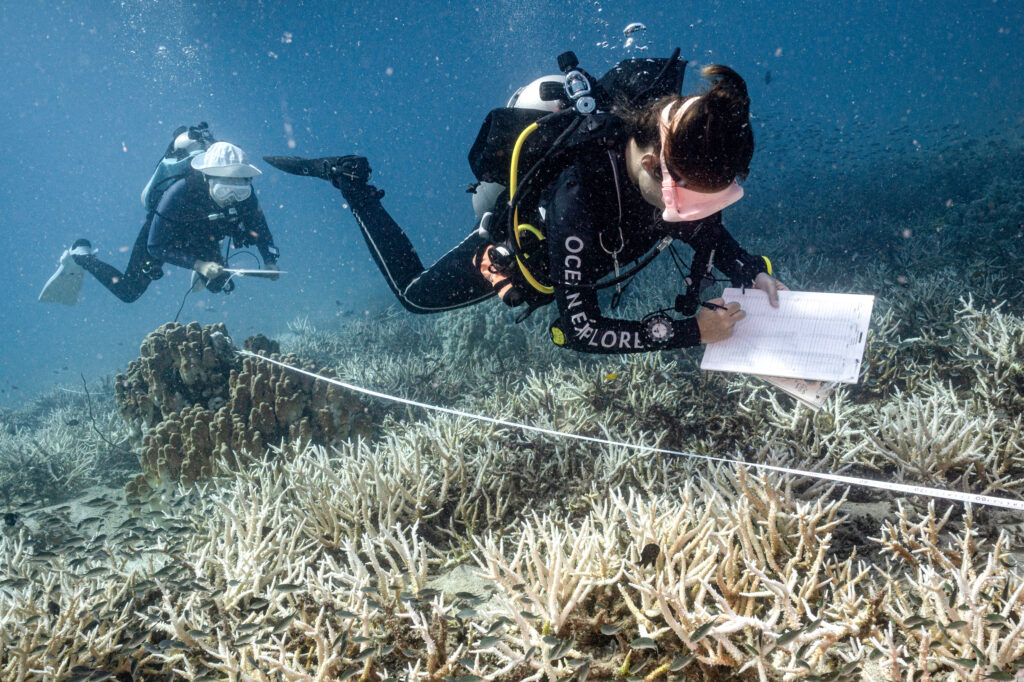
Released in May 2026, NOAA's new Coral Resilience Strategy represents the U.S. government's most sweeping coral conservation commitment in two decades. The strategy coordinates intervention across federal, state, and research partners, with emphasis on breeding heat-resistant corals, managing local stressors such as sewage and agricultural runoff, and expanding reef monitoring infrastructure. However, scientists cited by The Environmental Blog cautioned that while the plan is unprecedented in scope, even its full implementation may be insufficient given projected warming trajectories — particularly if global temperatures surpass 1.5°C of warming above pre-industrial levels, at which point up to 90% of coral reefs could be lost.
Sewage Pollution Penetrating Marine Protected Areas, Threatening Reef Health
A recent study found that more than 70 percent of marine protected areas worldwide are exposed to high levels of wastewater pollutants — severely undermining their conservation purpose. The research, covered by Inside Climate News, highlights that proximity to human settlements often means that even nominally protected reef zones receive significant nutrient and chemical loading from sewage discharge, making corals and other marine life more vulnerable to heat stress and bleaching events. The findings add urgency to calls for integrating water quality management into marine protection frameworks, rather than treating protection solely as a spatial exercise.
Marine Technology & Exploration
AI-Powered Underwater Robots Transform Deep-Sea Species Monitoring
NSF-funded researchers at the Minnesota Interactive Robotics and Vision Laboratory have developed advanced autonomous underwater vehicles (AUVs) powered by artificial intelligence to collect vast amounts of biological data, map species distributions, and construct comprehensive habitat maps. The AI-driven vehicles can autonomously identify environmental drivers of ecosystem change, operating in conditions where traditional human-guided survey methods are impractical. Separately, engineers and scientists at multiple institutions have spent two years developing a "Deployable AI" system for deep-sea AUVs that enables autonomous real-time tracking, following, and identification of deep-sea animals — with limited human oversight required.

AUV Sentry Deployed to Investigate Methane Seep Bubble Plumes on the Continental Shelf
University of Delaware researchers working off the R/V Endeavor deployed the Autonomous Underwater Vehicle (AUV) Sentry to investigate methane seep sites at the edge of the Mid-Atlantic continental shelf. The AUV used high-resolution sonar and sensor arrays to locate and characterize bubble plumes rising from the seafloor — providing new data on the scale and distribution of submarine methane emissions. Methane seeps are of intense scientific interest both as biodiversity hotspots and as potential contributors to greenhouse gas concentrations if ocean warming destabilizes seafloor methane hydrates.
What to Watch Next
- NOAA Coral Resilience Strategy Implementation: Watch for the first detailed implementation timelines and funding allocations to be released as NOAA begins operationalising its ambitious new coral plan — scientists and environmental groups are closely scrutinising whether stated goals will be backed by sufficient resources.
- Ocean Census Taxonomy Pipeline: With 1,121 new species formally described, the formal taxonomic verification and peer-reviewed publication process for many of these organisms is still in progress — follow the Ocean Census initiative for updates on which species advance through full scientific description.
- Southern Ocean Sea Ice Monitoring: Given the compound drivers of Antarctic sea ice loss identified in recent research, the upcoming Southern Hemisphere winter sea ice formation season (June–September) will be a critical bellwether — anomalously low winter maxima could signal accelerating system disruption.
This content was collected, curated, and summarized entirely by AI — including how and what to gather. It may contain inaccuracies. Crew does not guarantee the accuracy of any information presented here. Always verify facts on your own before acting on them. Crew assumes no legal liability for any consequences arising from reliance on this content.
Powered by
