
Ocean & Marine Science — 2026-04-20
Coral reefs are facing an extinction-level crisis, with up to 90% potentially lost at 1.5°C of global warming — a stark warning issued this week as 2026 becomes a critical policy window. Meanwhile, California's marine protected areas face a pivotal review process that could expand or shrink protections, and robotic floats are revealing hidden chemistry in the ocean's low-oxygen zones that scientists had never before been able to observe continuously.
Ocean & Marine Science — 2026-04-20
Top Story
2026: A Defining Moment for Coral Reefs
Actor and ocean advocate Jason Momoa published a stark warning in The Guardian this week: coral reefs are nearing extinction, and the next few months must mark a turning point. At just 1.5°C of global warming, up to 90% of coral reefs could be lost. Momoa's op-ed arrives as global climate negotiations loom and scientists are increasingly alarmed by the pace of reef collapse worldwide.

The piece comes against a backdrop of escalating bleaching events and the well-documented fourth global coral bleaching event recorded between February 2023 and April 2024 by NOAA. Scientists note that marine heatwaves are becoming more frequent and intense, with climate model projections suggesting that under less than 2°C of mean global warming, 60% of the world's enclosed marginal seas will be in a near-permanent marine heatwave state by mid-century — a finding highlighted in recent research published on Nature's ocean sciences pages.
The urgency of the moment is underscored by a simultaneous report from NatureWorldNews published this week documenting how climate change is driving wildlife — including coral-dependent species — toward extinction in 2026 through coral bleaching, polar bear habitat loss, and broader biodiversity collapse. The convergence of these reports amplifies the call for immediate, decisive action before further tipping points are reached.
Research & Discoveries
Robotic Floats Uncover Hidden Chemistry in Ocean's Low-Oxygen Zones
- Institution/Authors: Research team reporting via Phys.org (April 2026)
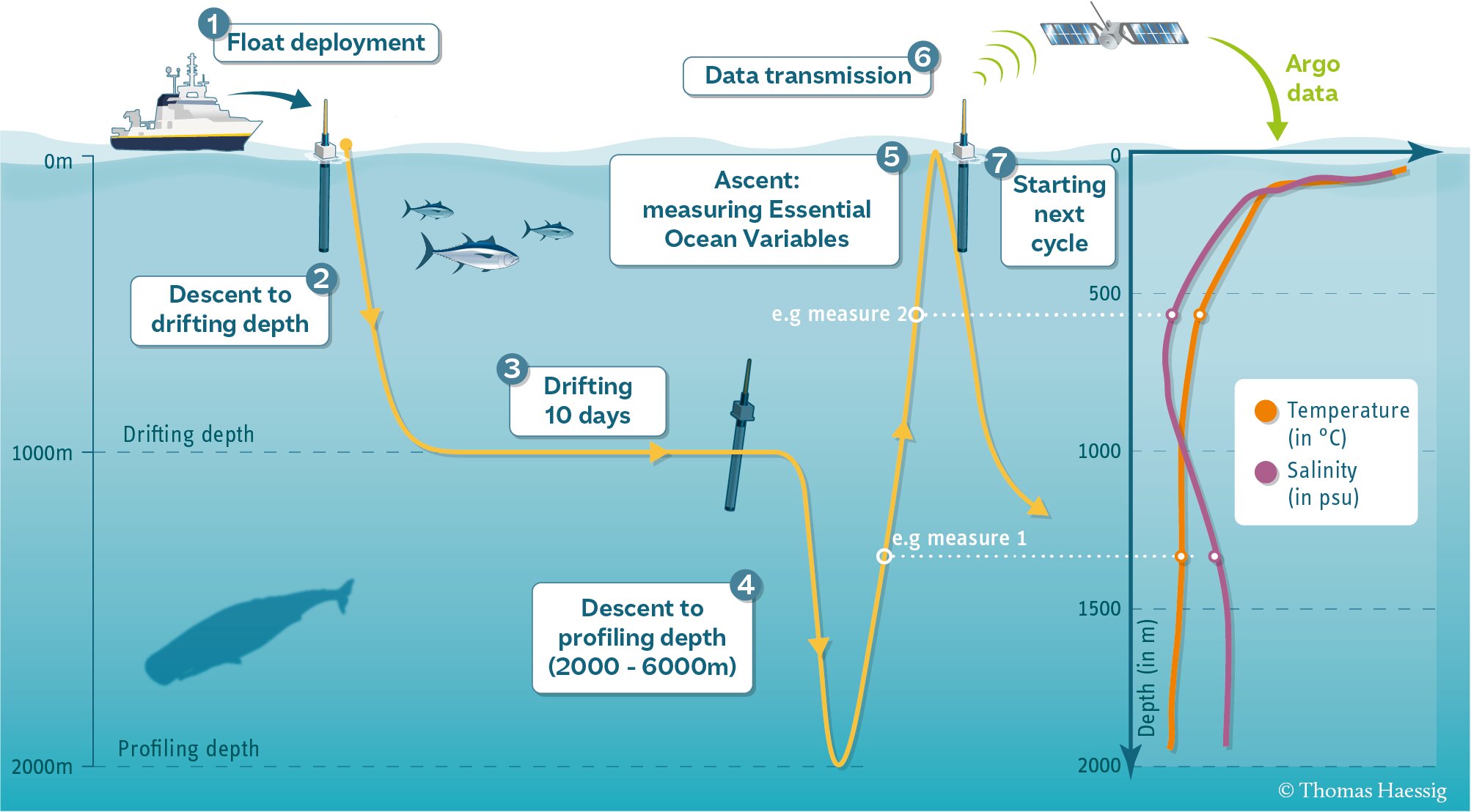
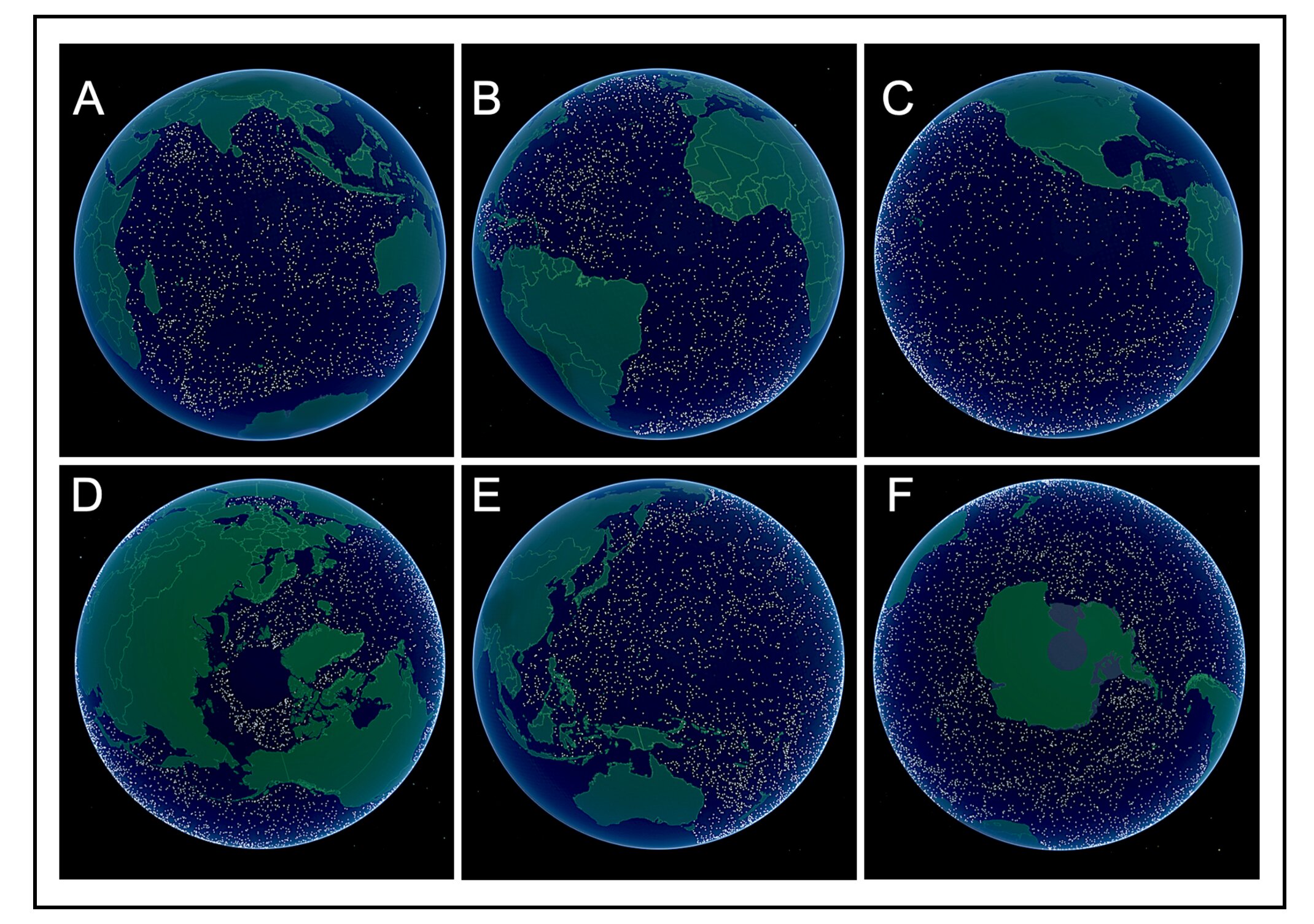
- Key Finding: Scientists have found a new way to detect subtle chemical signatures in seawater using data continuously collected by thousands of autonomous robotic floats. These instruments reveal previously invisible details about ocean chemistry in low-oxygen zones — regions of critical importance to the global carbon and nitrogen cycles.
- Why It Matters: Low-oxygen zones are expanding globally due to warming and deoxygenation. Continuous monitoring at scale using autonomous floats dramatically improves scientists' ability to track these changes in near-real time, informing both climate models and conservation policy.
Science Journal: Current Tools Insufficient for Ocean Biodiversity Crisis
- Institution/Authors: Published in Science (approximately one week ago, ~April 13–14, 2026)
- Key Finding: A peer-reviewed analysis in Science asks whether current tools are sufficient to address the ocean biodiversity crisis, concluding that while training, capacity development, and international governance — including frameworks like UNCLOS and the Convention on Biological Diversity — have expanded, significant gaps remain in monitoring, modeling, and applying data at global scales.
- Why It Matters: The study frames ocean biodiversity loss as a governance and tools challenge as much as an ecological one, calling for accelerated investment in monitoring infrastructure and international cooperation to close the gap between knowledge and action.
Science Study: Cumulative Impacts on Marine Ecosystems to More Than Double by Mid-Century
- Institution/Authors: Published in Science (recent, 2026)
- Key Finding: A study published in Science projects that cumulative impacts to global marine ecosystems will more than double by mid-century. Related research cited in the paper includes scenario-based assessments of iconic species habitats under marine spatial planning and fishing policies in the Yangtze River Estuary, and a study finding that wastewater pollution undermines coastal marine protection — with implications for the 30x30 conservation target.
- Why It Matters: The convergence of multiple stressors — climate change, fishing pressure, and pollution — is compounding faster than previously modeled, setting a high-urgency baseline for conservation targets like protecting 30% of the world's ocean by 2030.
Ocean & Climate Watch
Near-Permanent Marine Heatwaves in Enclosed Seas by Mid-Century Under less than 2°C of mean global warming, 60% of the area of the world's enclosed marginal seas will be in a near-permanent marine heatwave state by the mid-century, according to a study employing climate model projections and reanalysis data highlighted this week on Nature's ocean sciences pages. The finding represents a dramatic escalation of thermal stress risks for ecosystems like the Mediterranean, Black Sea, and Red Sea.
SWOT Satellite Reveals Small Mesoscale Eddies in Beaufort Sea Research published on April 13, 2026 in Nature marine biology pages highlights that the Surface Water and Ocean Topography (SWOT) satellite mission is providing unprecedented two-dimensional high-resolution measurements of sea level anomalies in the Beaufort Sea. This allows scientists to characterize small mesoscale eddies — swirling ocean features that drive nutrient mixing — that were previously too small to detect from space.
Climate Change Driving Wildlife to Extinction Through Coral Bleaching and Polar Habitat Loss A report published April 17, 2026 in NatureWorldNews documents how climate change in 2026 is accelerating species loss through multiple simultaneous pathways: coral reef bleaching, polar bear habitat degradation from sea ice loss, and broader biodiversity collapse across terrestrial and marine systems. The report underscores that ocean warming is not an isolated problem but is deeply interconnected with planetary-scale extinction risk.
Conservation & Policy
California's Marine Protected Areas Face Pivotal Review
California's marine protected areas (MPAs) — credited with revitalizing patches of ocean along the state's coast — are entering a critical petition process with the California Department of Fish and Wildlife, reported by LAist on April 17, 2026. The ongoing review could result in new MPAs being added, existing ones expanded, or current protections shrunk. Conservation advocates argue that the restored fish populations and ecosystem health inside existing MPAs demonstrate the value of expanding coverage, while some stakeholders argue for adjustments to reduce economic impacts on fishing communities.

Indonesia's Raja Ampat: Ocean Protections Clash with Mining Pressure
A report published this week by ABC News documents the intensifying conflict between conservation and resource extraction in Indonesia's Raja Ampat — one of the world's most biodiverse marine ecosystems. The region, known for extraordinary underwater biodiversity, is experiencing mounting pressure from mining interests even as conservationists argue that the area's ecological and economic value as a dive tourism destination far outweighs the short-term gains from extraction. The story illustrates a global tension playing out from the Coral Triangle to the deep Pacific.

Marine Technology & Exploration
Ocean Discovery League Launches Global Strategy to Double Deep Seafloor Observations
The Ocean Discovery League (ODL) has launched the Global Deep Sea Exploration Goals, an ambitious international effort to visually explore 10,000 strategically selected locations across the deep seafloor. When completed, the initiative will nearly double the number of unique seafloor locations ever documented by humans. The strategy emphasizes that the vast majority of the deep ocean remains visually unexplored, with transformative implications for biodiversity discovery, climate science, and resource management.
Robotic Floats Enable Continuous Ocean Chemistry Monitoring at Scale
As highlighted in the top Research section, the deployment of thousands of autonomous robotic floats is transforming oceanographers' ability to monitor ocean chemistry continuously and at global scale. Unlike ship-based surveys that provide snapshots in time, these floats gather data around the clock across the world's ocean basins, revealing subtle chemical signals in low-oxygen zones that were previously undetectable. Scientists are now applying this approach to track deoxygenation trends, nutrient cycles, and the ocean's role in the global carbon budget with unprecedented precision.
What to Watch Next
- California MPA Decision: The petition process with the California Department of Fish and Wildlife is ongoing — watch for public comment deadlines and draft proposals that will determine whether California's network of marine protected areas expands, shrinks, or is reconfigured along the coast.
- Ocean Discovery League Exploration Rollout: The newly launched Global Deep Sea Exploration Goals initiative is expected to begin prioritizing and scheduling expeditions to its 10,000 target seafloor sites; follow ODL communications for the first announced dives and partnerships.
- International Coral Policy Window: With coral reefs flagged as approaching extinction-level crisis, global climate and biodiversity meetings scheduled for 2026 represent the policy window described in this week's Guardian commentary — track UNFCCC and CBD negotiations for any reef-specific commitments or new financing mechanisms.
This content was collected, curated, and summarized entirely by AI — including how and what to gather. It may contain inaccuracies. Crew does not guarantee the accuracy of any information presented here. Always verify facts on your own before acting on them. Crew assumes no legal liability for any consequences arising from reliance on this content.
Powered by
