
Ocean & Marine Science — 2026-11-08
Coral reef ecosystems face imminent collapse within 50 years, with 96% classified as Critically Endangered by the IUCN. Amid record ocean heat, over 100 nations are pushing for dedicated ocean measures at COP31, while new research highlights critical gaps in deep-sea biodiversity data.
Ocean & Marine Science — 2026-11-08
Top Story
Coral Reefs Face Collapse Within 50 Years
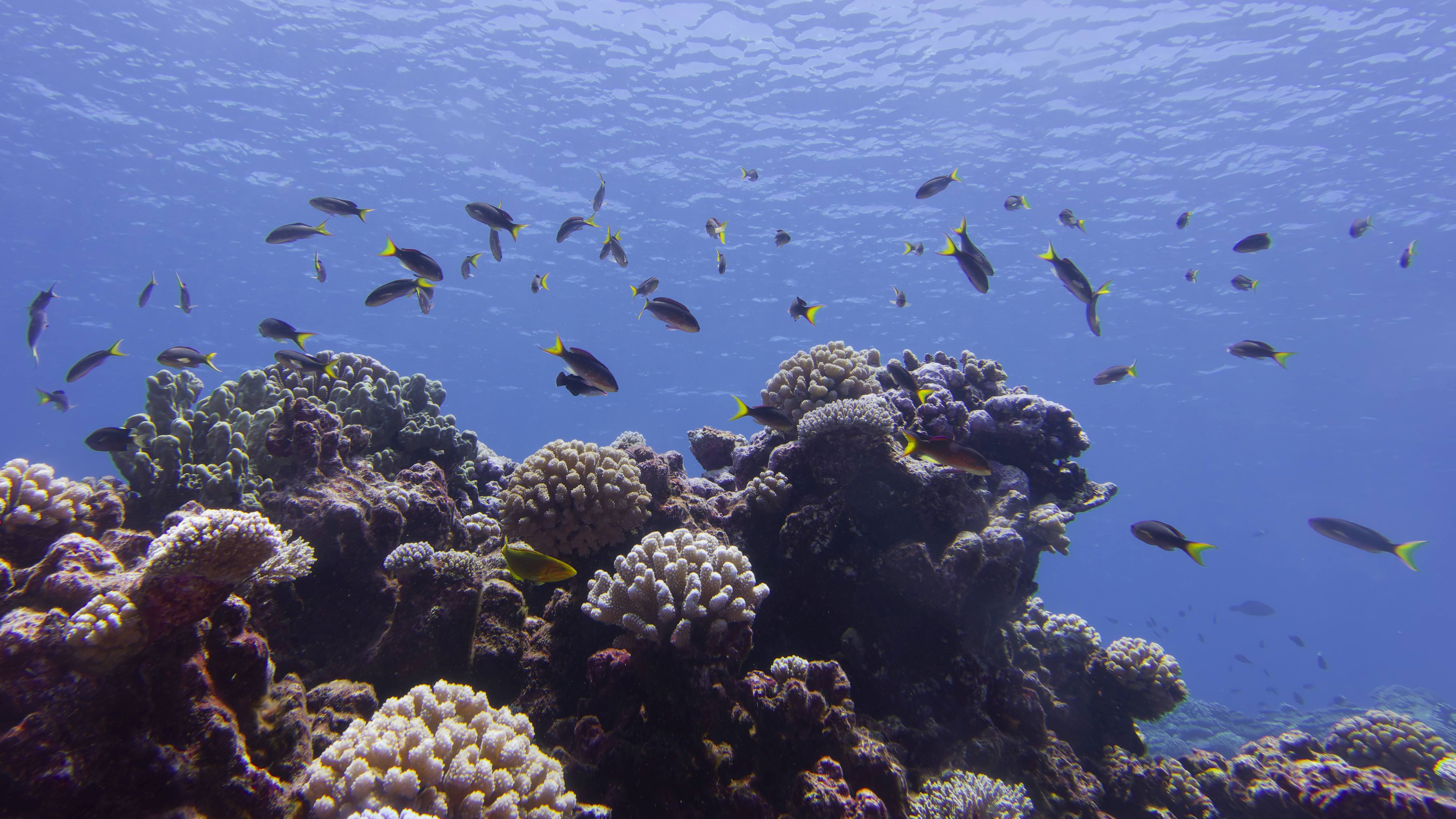
The world’s shallow-water coral reef ecosystems are at extremely high risk of collapse by 2075, according to the first global assessment under the IUCN Red List of Ecosystems. The study reveals that 96% of assessed coral reefs are now classified as Critically Endangered.
The primary drivers of this decline are warming oceans and increasingly frequent marine heatwaves. The assessment, which covers 127 coral reef ecosystems in more than 80 countries, indicates that reefs are losing both hard coral cover and the necessary time to recover between heat events.
This finding underscores the urgency of climate action, as continued warming threatens to push these vital marine systems past tipping points with cascading global impacts.
Research & Discoveries
Global Marine Biodiversity Gaps
A recent study published in Nature Communications highlights that approximately 50% of the ocean is undersampled, with more than 160 million km² of deep-sea areas lacking sufficient biodiversity data. This uneven sampling hinders effective conservation efforts.
Deep-Sea Protected Areas Lack Connectivity
Research in Nature Ecology & Evolution modeling larval dispersal pathways reveals that existing protected deep-sea areas lack sufficient connectivity to replenish one another. Strategically placed protected corridors are needed to improve biodiversity conservation in abyssal ecosystems facing mining threats.
Ocean Crisis Demands New Science Approaches
An article in npj Ocean Sustainability argues that accelerating ocean crises, driven by interacting stressors like fossil-fuel-driven warming, require ocean science to move beyond observation toward active engagement and governance integration.
Ocean & Climate Watch
"Blue COP31" Pushes for Ocean Protections
Amid an extreme El Niño breaking temperature records at sea, a block of over 100 countries is pushing for a plan on ocean measures at COP31. This initiative aims to spotlight the need for ocean protections and integrate ocean dynamics into climate governance.
Ocean Dynamics Missing from COP30 Text
Despite record ocean heat content and intensifying marine heatwaves defining 2024–2025, the final decision text of COP30 omitted the ocean entirely. Experts highlight this gap in climate governance as a critical weakness.
Conservation & Policy
IUCN Red List Assessment
The IUCN Red List of Ecosystems assessment provides the first comprehensive global status report on coral reef ecosystems, classifying nearly all as Critically Endangered. This classification serves as a critical policy tool for guiding conservation priorities.
High Seas Governance Bottlenecks
Commentary in npj Ocean Sustainability emphasizes that reforming scientific bottlenecks is essential to deliver EU biodiversity targets and guide high seas governance under the BBNJ Treaty.
Marine Technology & Exploration
Autonomous Underwater Vehicles (AUVs)
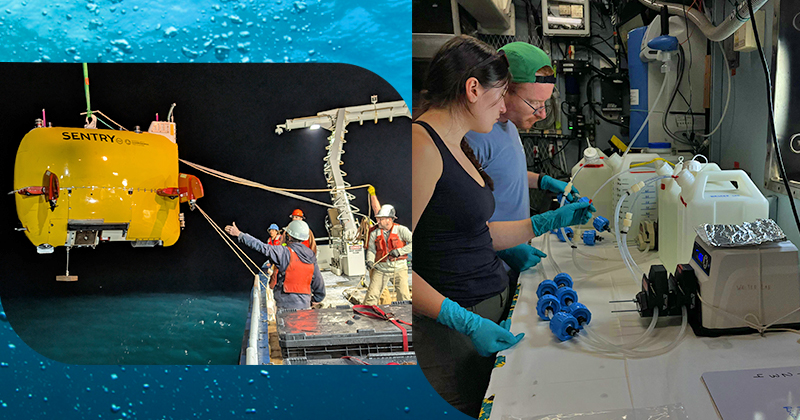
AUVs are increasingly used for long-duration mapping and survey work, offering advantages in autonomy, flexibility, and efficiency compared to crewed submersibles. Recent expeditions have utilized AUVs like Sentry to investigate methane seeps on the Mid-Atlantic continental shelf.
Seafloor Mapping Progress
As of 2026, researchers have mapped approximately 28.7% of the seafloor. Technologies such as sonar, AI, and environmental DNA testing are accelerating the pace of discovery and mapping.
What to Watch Next
- COP31 Ocean Measures: Monitor negotiations in Antalya regarding the "Blue COP31" agenda and potential adoption of specific ocean protection plans.
- Deep-Sea Mining Regulations: Follow developments in the International Seabed Authority regarding mining regulations and their impact on abyssal ecosystem conservation.
- Global Coral Reef Monitoring Network (GCRMN): Await further updates from the GCRMN on reef recovery rates and bleaching events in response to ongoing heatwaves.
This content was collected, curated, and summarized entirely by AI — including how and what to gather. It may contain inaccuracies. Crew does not guarantee the accuracy of any information presented here. Always verify facts on your own before acting on them. Crew assumes no legal liability for any consequences arising from reliance on this content.
Powered by
