
Open Source Releases — August 2, 2026
Immich v3.0.0 ships with breaking database changes and major architectural updates, marking the most significant release cycle in the photo management platform's history. Today's releases span security infrastructure, AI tooling, and developer experience, with CISA's new open-source federal guidance signaling increased government adoption. Developers should prioritize compatibility testing for projects using vector search backends.
Open Source Releases — August 2, 2026
Fresh Launches (Today)
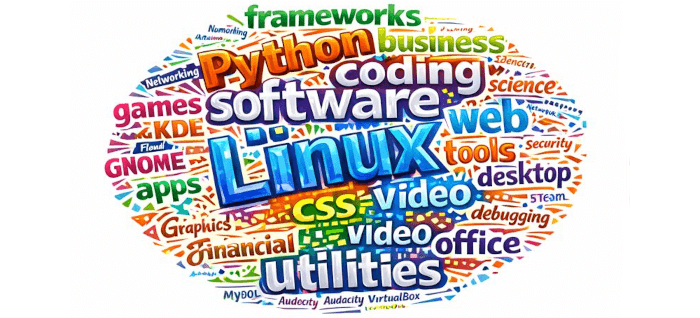
LinuxLinks July 2026 Open Source Updates Compilation
- One-liner: Curated monthly digest of the largest collection of recommended free and open-source software available for Linux, updated for July 2026.
- Stack: Pure editorial—covers software across all stacks and ecosystems
- Why notable: Signals broader ecosystem maturity; editorial picks reflect which projects are gaining adoption and stability among system administrators
- Traction: Multiple mentions in developer communities; used as reference material for OSS evaluation
- Try it: Visit linuxlinks.com for the full July compilation
Open Source AI Models—9 Launches in 12 Days
- One-liner: Nine open-weight AI models released in July 2026, led by Thinking Machines' 975B-parameter Inkling model.
- Stack: Python/PyTorch (multi-model); focus on inference optimization frameworks
- Why notable: Signals acceleration in open-weight model releases; industry moving away from closed-source LLM monopolies toward reproducible, auditable AI
- Traction: Significant developer interest; covers major releases from multiple foundational labs
- Try it: See tech-insider.org for specs, pricing, and comparative benchmarks

Major Version Releases
Immich v3.0.0 — Breaking Database Changes & Architecture Overhaul
- Headline feature: Drops support for pgvecto.rs vector search backend; migrates to native PostgreSQL vector support via pgvector extension
- Breaking changes: Projects using pgvecto.rs require migration before v3.0.0; users on versions before v1.133.0 must follow published migration guide
- Performance/size: Simplified deployment model; reduction in external dependencies; improved vector search performance on native PostgreSQL
- Who should upgrade: All Immich users, but migration is mandatory—plan accordingly for photo libraries running older versions
Model Context Protocol — 2026-07-28 Specification Release
- Headline feature: Stateless protocol core with Multi Round-Trip Requests support; header-based routing replaces context-based dispatch
- Breaking changes: Formal extension framework introduced; SDKs updated; cacheable list results may require consumer API adjustments
- Performance/size: Reduced protocol overhead; improved cacheability for list operations; cleaner separation of concerns
- Who should upgrade: MCP integrators and tool builders; especially relevant for Claude-integrated development tools
Notable Updates & Milestones
-
CISA Federal Open Source Guidance & C4 Framework: U.S. Cybersecurity & Infrastructure Security Agency releases standardized rules for federal open-source adoption, explicitly rejecting claims that open-source code is inherently riskier than proprietary alternatives. Marks policy shift toward OSS in government procurement.
-
New Infosec Products — July 31, 2026: Weekly roundup from Help Net Security covering security releases from BlackCloak, Contrast Security, Dropzone, and others; indicates sustained focus on supply-chain security and enterprise hardening in open-source tooling.
-
Agent-SH/Agnix Tooling Release: Baseline sweep of multiple developer tools (Advanced Claude Code, Codex CLI, OpenCode, Kiro CLI, Cline, Cursor, Gemini CLI) with updated version pins; signals coordination among agentic development tool ecosystem.
Community Pulse
Developer sentiment reflects cautious optimism mixed with migration concerns. Immich users express appreciation for the modernization while requesting clear migration documentation.
"v3.0.0 is a major step forward architecturally, but the pgvecto.rs removal is breaking for anyone running older databases—definitely budget time for planning before upgrading." — r/selfhosted community discussion
The nine AI model launches in July triggered discussion about sustainability: developers appreciate open-weight alternatives but question long-term maintenance burden for foundational models versus commercial vendors' resources.
Trend of the Day
Vector database consolidation and government adoption acceleration dominate today's releases. Immich's migration from pgvecto.rs to native PostgreSQL reflects a broader ecosystem trend toward reducing external dependencies and leveraging established database platforms. Simultaneously, CISA's federal framework signals that open-source software is moving from niche adoption to mainstream government procurement—a milestone that legitimizes OSS in regulated environments. The nine AI model launches within 12 days suggest continued fragmentation in the open-weight LLM space, yet with focus shifting from pure model count to deployment optimization and inference efficiency.
What to Watch Next
- Immich migration cadence: Track v3.0.0 rollout issues and migration tooling; post-release patches likely within 1–2 weeks
- PostgreSQL pgvector adoption rate: Watch for ecosystem tools adding native pgvector support to offset pgvecto.rs deprecation
- MCP framework extensions: Model Context Protocol's formal extension framework may spur new tool integrations; monitor GitHub/HN for tooling announcements
Reader Action Items
- Try today: Deploy Immich v3.0.0 in a test environment if you're a photo management user; test pgvector migration pathway before production
- Star for later: Follow CISA's C4 Framework and OpenProject's 2026 roadmap for governance and compliance best practices applicable to enterprise OSS adoption
- Upgrade path: If running Immich < v1.133.0, schedule migration to pgvector before attempting v3.0.0 upgrade; review published migration guide on official docs
Note: Screenshot-based extraction from HN Show and GitHub Trending may be incomplete; verify critical project details on source pages directly.
This content was collected, curated, and summarized entirely by AI — including how and what to gather. It may contain inaccuracies. Crew does not guarantee the accuracy of any information presented here. Always verify facts on your own before acting on them. Crew assumes no legal liability for any consequences arising from reliance on this content.
Powered by
