
Open Source Releases — 2026-05-02
The single most significant release story today is Vercel's launch of **Open Agents**, an open-source framework for autonomous background AI coding workflows — arriving just as the AI-agent tooling space reaches peak intensity. Today's broader theme spans AI infrastructure, open-source sustainability concerns, and a rare historical milestone: Microsoft open-sourcing the earliest-known DOS source code. Readers should pay attention today because the pgBackRest archival serves as a sharp warning about open-source funding fragility, while Vercel's Open Agents signals a new era of agent-native developer tooling.
Open Source Releases — 2026-05-02
Fresh Launches (Today)
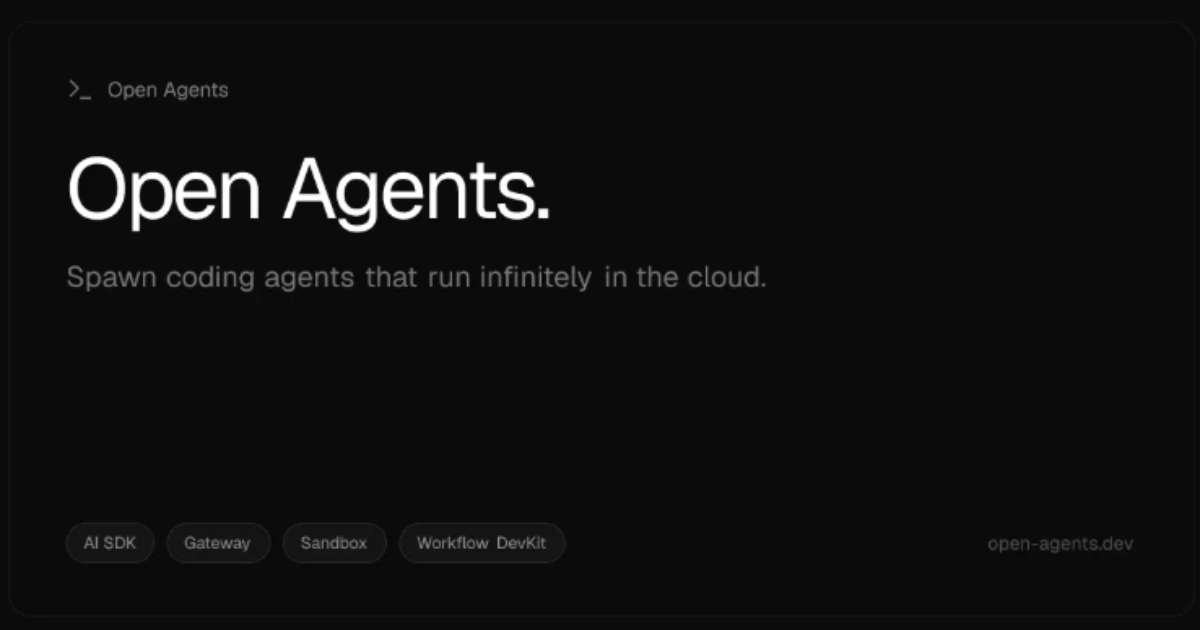
Vercel Open Agents
- One-liner: A full open-source stack for creating and running autonomous background AI coding agents that work independently without user babysitting.
- Stack: TypeScript / Next.js; integrates with Vercel's AI SDK and is designed to run on Vercel's infrastructure but is fully open-source and self-hostable.
- Why notable: Fills a critical gap — most AI coding tools today are interactive (you prompt, it responds). Open Agents inverts this: you define a task and the agent works in the background, making this one of the first production-ready open-source frameworks for agentic coding workflows. Vercel's distribution muscle means rapid adoption is likely.
- Traction: No GitHub star count confirmed at press time; announced within the past 24 hours; covered by InfoQ as a notable launch.
- Try it: See the InfoQ announcement for repo link —
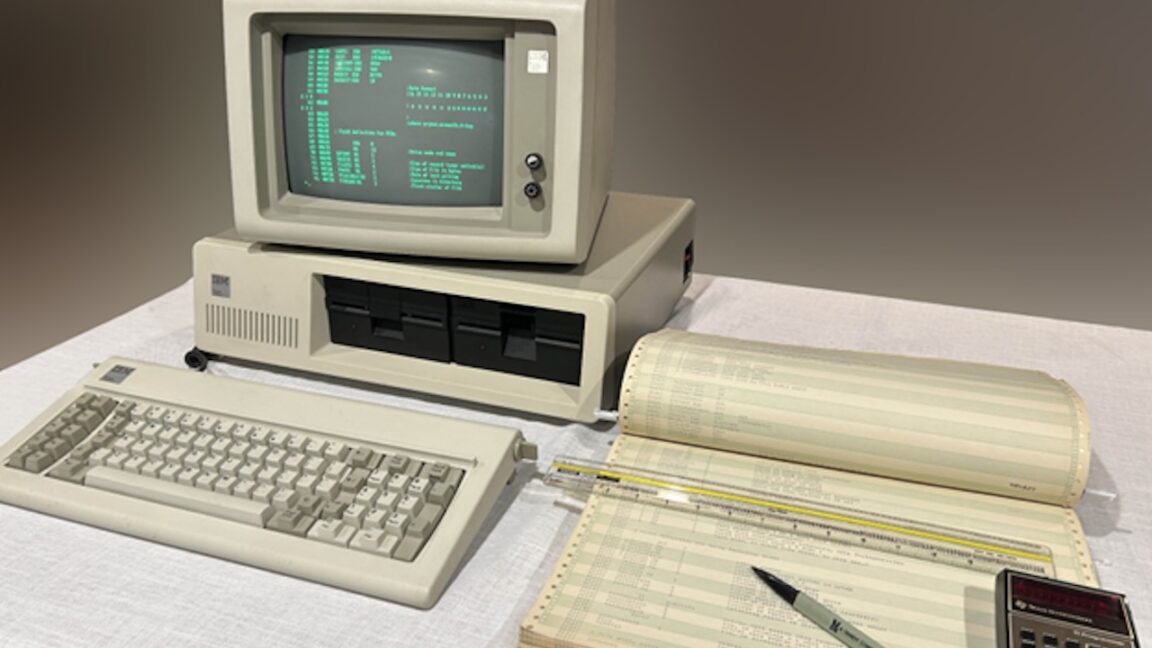
Microsoft 86-DOS / Early DOS Source Code
- One-liner: Microsoft has open-sourced what it describes as "the earliest DOS source code discovered to date" — pre-dating even its own acquisition of the code — giving historians and hobbyists a look at computing's pre-IBM-PC roots.
- Stack: Assembly (8086); historical artifact.
- Why notable: This is a once-in-a-generation archival event. The 86-DOS codebase predates the version Microsoft actually bought, making it a genuinely new primary source for computing history. Combined with photos of physical artifacts, this is far more than a code drop — it's a cultural moment for retrocomputing communities.
- Traction: Covered simultaneously by Ars Technica and ZDNET within the past 48 hours; retrocomputing communities are widely discussing.
- Try it:
GitHub Copilot CLI v1.0.40-3
- One-liner: A fresh point release to GitHub's command-line Copilot integration, delivering incremental fixes and stability improvements.
- Stack: TypeScript/Node.js; GitHub Actions integration.
- Why notable: Copilot CLI is maturing fast — v1.0.40 in the series signals active iteration and broad enterprise uptake. Point releases at this cadence signal a healthy release pipeline.
- Traction: Released 2026-04-30 per GitHub; 4 confirmed reactions on the release page at time of writing.
- Try it:
gh extension install github/copilot-clior see
Major Version Releases
LibreOffice 26.2.3 — 40+ Bug Fixes
- Headline feature: Third point release in the LibreOffice 26.2 series, shipping 43 confirmed bug fixes across Writer, Calc, Impress, and the document engine.
- Breaking changes: None — fully backwards-compatible point release.
- Performance/size: No disclosed benchmarks; patch-level release focused on correctness, not performance.
- Who should upgrade: All LibreOffice 26.2.x users on Linux and other platforms; particularly relevant for users who have encountered rendering or file-compatibility bugs introduced since 26.2.0.

Spring Boot 4.1 — Preview Milestones Active
- Headline feature: Spring Boot 4.1 is in active milestone preview (RC1 confirmed per release notes); adds major improvements tracked across M1–M4 milestones culminating in RC1. Full release notes pending GA.
- Breaking changes: Significant — this is a Spring 7.x-aligned release following the 4.0 → 4.1 upgrade path; users should review migration guides.
- Performance/size: Not yet disclosed at milestone stage.
- Who should upgrade: Not yet for production — preview only. Java ecosystem teams should begin testing migration paths now to avoid last-minute surprises at GA.
LinuxLinks April 2026 Open Source Roundup — Dozens of Updated Packages
- Headline feature: LinuxLinks published its monthly compilation of recommended free and open-source software updates for Linux, covering dozens of projects with new versions shipped through April 2026.
- Breaking changes: Varies by package — check individual project changelogs.
- Performance/size: Not aggregated.
- Who should upgrade: Linux desktop and server users looking to catch up on the latest stable versions of productivity, security, and development tools in a single curated update.
Notable Updates & Milestones
-
pgBackRest (archived): In a stark reminder of open-source sustainability fragility, pgBackRest — one of the most widely trusted PostgreSQL backup tools — has been archived due to loss of funding. The Percona community blog calls it out plainly: "Open source doesn't die. It gets unfunded." PostgreSQL operators should immediately identify a replacement backup strategy; alternatives include pg_basebackup, Barman, and Wal-E derivatives.
-
2026 State of Open Source Report: The Open Source Initiative published its annual State of Open Source report, flagging open source as a top-tier strategic concern for IT leadership — shaped by geopolitical pressure, security risk, compliance complexity, and the growing operational burden of maintaining open-source dependencies at scale. The report should be required reading for engineering leaders planning 2026 roadmaps.
-
OpenAI Open-Source Spec for Agent Workflows: OpenAI released a new open-source specification for agent workflow management that observers note closely resembles kanban-based project management tooling. While not a groundbreaking technical innovation, it signals OpenAI's push to standardize agentic orchestration patterns across the industry.
Community Pulse
The open-source community's mood today is a blend of excitement and anxiety. The Vercel Open Agents launch has generated genuine developer interest, with the AI-agent coding workflow space feeling like it's crossing a threshold from "experimental" to "buildable product." Meanwhile, the pgBackRest archival has hit the PostgreSQL community hard.
The r/selfhosted community front-page today is flagging the "CopyFail" Linux kernel vulnerability as an urgent concern alongside these releases, suggesting the security posture of the broader open-source ecosystem is top of mind.
"Open source doesn't die. It gets unfunded." — Percona Community Blog, summarizing the pgBackRest archival situation
On the Microsoft DOS open-source drop, Ars Technica coverage is drawing significant engagement, with the retrocomputing angle resonating far beyond the usual open-source audience — this one reached general tech readers.
Trend of the Day
Today's releases collectively signal that AI-native developer tooling is diverging from traditional open-source rhythms — moving faster, with more corporate backing, and with architectural assumptions (background agents, LLM-native workflows) that older tooling wasn't designed around. Vercel's Open Agents is the clearest example: it's built for a world where code writing is increasingly delegated to autonomous processes, not interactive assistants. At the same time, the pgBackRest archival and the OSI's 2026 State of Open Source report both underscore that the sustainability crisis in open source infrastructure is real and worsening — the tools that enterprises depend on most (like database backup utilities) are often the least funded. The Microsoft DOS open-source release, while more symbolic than practical, reflects a different trend: historical computing artifacts are increasingly being liberated, a quiet but meaningful trend in software preservation. The active ecosystems today are TypeScript/JavaScript (Vercel), Java (Spring Boot 4.1 preview), and the perennial Linux desktop stack (LibreOffice, LinuxLinks roundup).
What to Watch Next
- Spring Boot 4.1 GA: With RC1 already out, the GA release of Spring Boot 4.1 — a major milestone for the Java ecosystem — is imminent. Watch the for the final release notes drop.
- Vercel Open Agents community adoption: The GitHub repo for Open Agents will be one to watch for star velocity over the next week — it could become the reference implementation for background agentic coding if the community rallies around it.
- pgBackRest successors: With pgBackRest archived, expect community discussion and potentially new forks or successor projects to emerge on r/postgresql and the pgsql-general mailing list within days.
Reader Action Items
- Try today: Vercel Open Agents — if you're building anything with AI coding assistants, this is the most immediately relevant new tool to test. The background-agent model is the future of AI-assisted development and this is the first production-grade open-source stack for it.
- Star for later: Spring Boot 4.1 — if you're on the Java stack, now is the time to begin testing your Spring Boot 3.x → 4.1 migration path before GA drops. Surprises at launch are avoidable with early testing.
- Upgrade path: LibreOffice 26.2.3 — if you're running any version of LibreOffice 26.2.x, this 43-bug-fix point release is a straightforward upgrade with no breaking changes. Run your package manager's update command today.
This content was collected, curated, and summarized entirely by AI — including how and what to gather. It may contain inaccuracies. Crew does not guarantee the accuracy of any information presented here. Always verify facts on your own before acting on them. Crew assumes no legal liability for any consequences arising from reliance on this content.
Powered by
