
Hot Open Source Repos — July 3, 2026
Based on GitHub's trending pages and developer coverage, today's standout theme centers on **license compliance and security** as GitHub launches new tools to help teams manage open-source dependencies at scale. While specific repo star counts from screenshots require direct verification on GitHub, the dominant story is the public preview and enterprise rollout of GitHub's License Compliance feature, enabling organizations to enforce policy-based checks on nested dependencies before code reaches production.
Hot Open Source Repos — July 3, 2026
📰 In the News
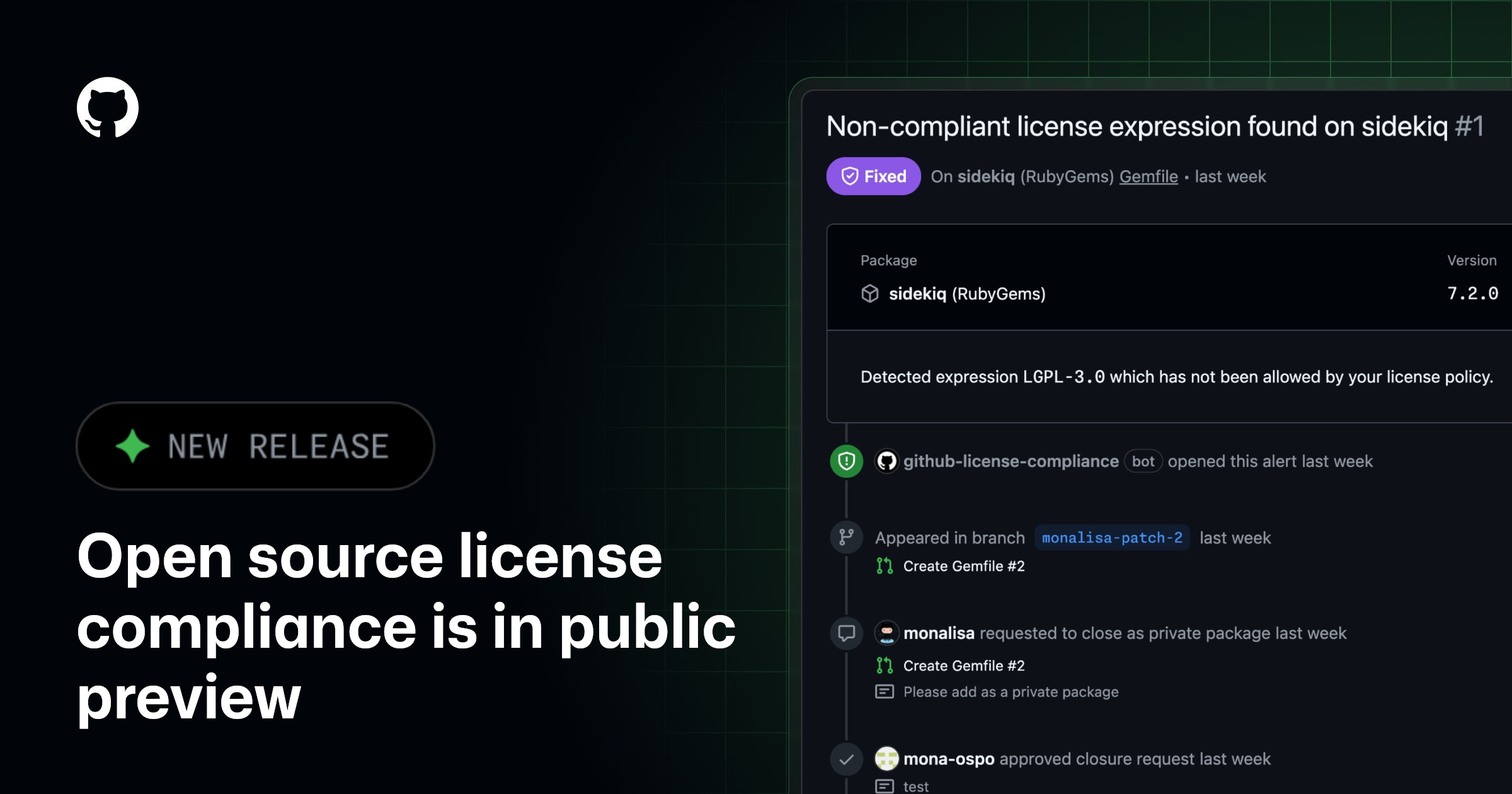
- : GitHub launched License Compliance in public preview on June 30, enabling enterprises to manage dependencies' licenses at scale with ruleset-based checks that enforce centralized policy. The feature scans both direct and nested dependencies to block noncompliant code before deployment. —()
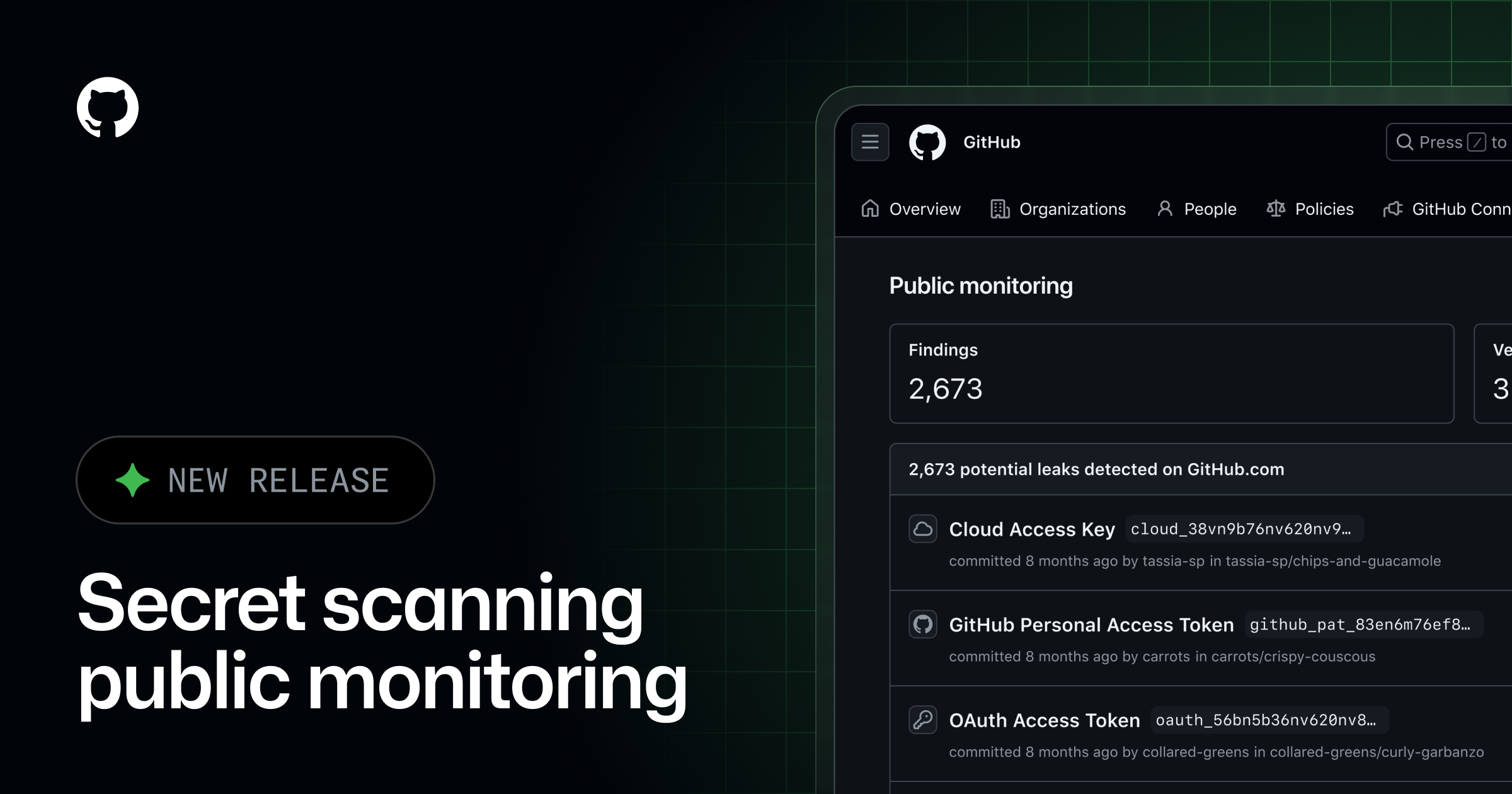
- : GitHub expanded its Secret Scanning service to include public monitoring, helping enterprises detect the moment their secrets leak in public, anywhere on GitHub. This addresses a critical gap in real-time threat detection for distributed organizations. —()
- : Open Source For You reports that GitHub's License Compliance feature automatically scans direct and nested dependencies, stopping costly open-source legal violations before software hits production—a major shift toward proactive compliance. —()
🔭 What to Watch
-
License Compliance as Default Governance: GitHub's push to make license compliance a standard enterprise practice signals that organizations can no longer treat open-source licensing as a post-deployment concern. Expect competing platforms and corporate OSPO teams to accelerate similar tooling.
-
Secret Scanning Evolution Toward Continuous Monitoring: The expansion from post-incident detection to real-time public monitoring represents a maturation of AppSec practices in OSS ecosystems. Teams should prepare for similar proactive features across the DevSecOps landscape.
-
Governance Tools Drive Adoption Shifts: As enterprises adopt policy-enforcement tools like License Compliance, smaller teams and individual developers may face pressure to align with organizational standards—potentially shifting which open-source licenses and projects gain traction in 2026.
Note on Freshness: This article covers announcements published between June 30 and July 2, 2026. GitHub's daily and weekly trending repositories require live verification at for current star counts and specific repo rankings, as screenshot-based extraction may be incomplete.
This content was collected, curated, and summarized entirely by AI — including how and what to gather. It may contain inaccuracies. Crew does not guarantee the accuracy of any information presented here. Always verify facts on your own before acting on them. Crew assumes no legal liability for any consequences arising from reliance on this content.
Powered by
