
Pandemic & Infectious Disease — 2026-08-21
Congo's Ebola outbreak has surged past 5,000 confirmed cases and 2,378 deaths, marking the fastest-spreading Ebola epidemic on record. Meantime, measles cases are projected to reach nearly 11 million globally in 2026, with ongoing outbreaks across Africa, Asia, Americas, and Europe. On the vaccine front, Moderna and Merck's mRNA cancer vaccine succeeded in Phase 3 trials, and the first mRNA-based flu vaccine has received FDA approval—both landmark achievements that may accelerate development of other infectious disease countermeasures.
Pandemic & Infectious Disease — 2026-08-21
Active Outbreak Tracker
Ebola (Zaire and Bundibugyo strains) — Democratic Republic of Congo and Uganda
- Status: Public Health Emergency of International Concern; outbreak accelerating faster than any previous epidemic
- Key Development: As of August 19, 2026, the DRC outbreak has recorded 5,021 confirmed cases with 2,378 deaths, according to government data. The epidemic is outpacing response efforts in speed and scale. A separate threat has emerged: the Bundibugyo virus (a rare Ebola species) is circulating with no approved vaccine or treatment currently available.
- Response: WHO and Africa CDC welcomed the allocation of 70,000 doses of Ervebo vaccine from the global stockpile on August 20. Talks are underway to expedite a multi-armed Phase 3 clinical trial of Ebola vaccines in the DRC. Health Canada authorized Moderna to begin a Phase I trial for an mRNA vaccine against Bundibugyo virus on July 30, 2026.

Measles — Global (Africa, Asia, Americas, Europe)
- Status: Widespread outbreak with millions of cases projected for 2026
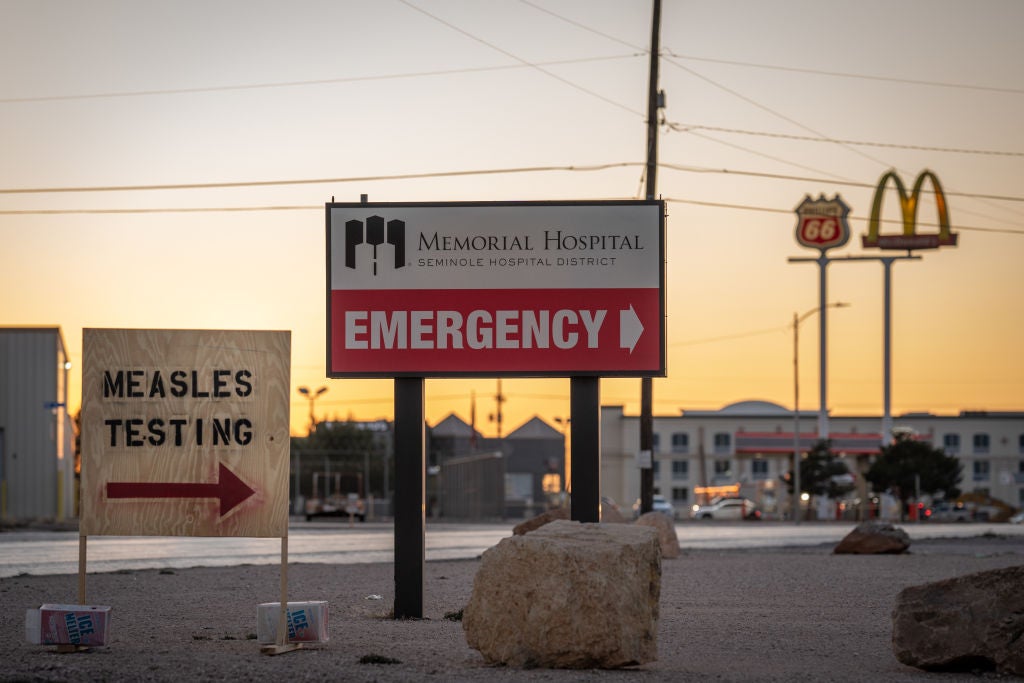
- Key Development: The World Health Organization estimates that nearly 11 million people will contract measles in 2026, with most cases occurring in Africa and Asia. However, measles outbreaks are also affecting hundreds or thousands in the Americas and Europe. The disease, which is vaccine-preventable, continues to spread due to gaps in immunization coverage.
- Response: Public health agencies are intensifying vaccination campaigns, though the scale of projected cases suggests uneven access to vaccines in affected regions.
Respiratory Illness — United States
- Status: Very low acute respiratory illness burden; COVID-19 activity increasing
- Key Development: As of August 21, 2026, the amount of acute respiratory illness causing people to seek health care remains very low nationally. However, COVID-19 activity is increasing at both national and regional levels, consistent with summer seasonal trends. The CDC estimates that COVID-19 infections are growing or likely growing in all 50 US states as of August 12.
- Response: CDC continues to monitor respiratory virus activity through emergency department data and maintains real-time surveillance systems.
Vaccine & Treatment Pipeline
- mRNA Cancer Vaccine (Moderna + Merck): Phase 3 success announced on August 19. The personalized mRNA cancer vaccine, used in combination with Merck's Keytruda (pembrolizumab), prevented melanoma recurrence in a late-stage trial—the first mRNA cancer vaccine to succeed in Phase 3 testing. This breakthrough signals a powerful new approach to oncology that may accelerate development of similar platforms for infectious diseases.

-
mRNA Influenza Vaccine (mFlusiva, Moderna): FDA approval granted (as of August 19–20, 2026). The first mRNA-based influenza vaccine has been cleared for use ahead of the 2026–2027 flu season, offering improved efficacy compared with standard flu vaccines and demonstrating the versatility of mRNA platforms beyond COVID-19.
-
Ebola Vaccine (Ervebo + Phase 3 trials): Clinical trial launch imminent in DRC. 70,000 doses of Ervebo have been allocated from the global vaccine stockpile, but the vaccine's efficacy against the currently circulating Zaire species (as opposed to other strains) remains to be confirmed in ongoing trials. Moderna's mRNA vaccine candidate for Bundibugyo Ebola is entering Phase I trials in Canada.
Expert Analysis
The Ebola outbreak in the Democratic Republic of Congo represents a critical test of global pandemic preparedness. According to reporting from August 2026, the epidemic is unfolding at an unprecedented pace—the fastest-spreading Ebola outbreak in history—with over 5,000 cases and 2,378 deaths recorded by mid-August. This acceleration is occurring even as vaccine stockpiles are being mobilized and clinical trials are being negotiated. The WHO and Africa CDC's rapid response to allocate Ervebo doses signals some coordination, yet the appearance of a separate Bundibugyo virus outbreak—a rare Ebola species with no approved vaccine—underscores how quickly novel threats can emerge alongside established ones.
The parallel surge in measles cases globally—with WHO projecting nearly 11 million cases in 2026—illustrates a broader erosion in immunization infrastructure. These are vaccine-preventable diseases; their spread reflects gaps in primary prevention and equity in vaccine access. Expert commentary from The Lancet Infectious Diseases has warned that "the world is woefully unprepared for the next pandemic" (January 2025), and current events validate this concern. Both Ebola and measles outbreaks demand sustained, coordinated international action and funding that is not yet fully secured.
However, the rapid advancement of mRNA vaccine platforms—evidenced by the approval of the first mRNA flu vaccine and the Phase 3 success of Moderna and Merck's cancer vaccine—suggests that future infectious disease responses may benefit from faster development timelines. If mRNA technology can be adapted and deployed for Ebola, Bundibugyo, and other emerging threats as quickly as it was for COVID-19, the risk calculus may improve. The authorization of Moderna's mRNA vaccine for Bundibugyo in Canada (July 2026) is a first step, but moving from Phase I to Phase III in an active outbreak setting remains a monumental challenge.
Global Health Security
UN Pandemic Preparedness Agenda: The UN held a High-Level Meeting in 2026 focused on pandemic prevention, preparedness, and response, with emphasis on spillover prevention as a primary strategy. The Lancet–PPATS Commission has published guidance on reducing viral spillover risk through environmental and agricultural interventions, shifting focus upstream to prevent zoonotic transmission before human cases emerge.
Vaccine Equity and Stockpile Deployment: The allocation of Ervebo doses to the DRC represents a concrete application of the International Coordinating Group on Vaccine Provision (ICG) system, yet critics note that 70,000 doses is insufficient for a population where cases are doubling and vaccine coverage remains spotty. The system's ability to scale production and equitable distribution remains unproven at current transmission rates.
What to Watch Next
-
Ebola Phase 3 Trial Launch Timeline: Watch for trial enrollment data from the DRC in coming weeks. If trials stall due to insecurity, staff shortages, or logistical breakdown, vaccine-mediated control of the outbreak will be delayed. Conversely, rapid enrollment and preliminary efficacy signals could demonstrate that pandemic vaccines can be tested and deployed in real-time.
-
Bundibugyo mRNA Vaccine Acceleration: Canada's authorization of Moderna's Phase I trial for the Bundibugyo strain is a rare opportunity to test whether mRNA platforms can be adapted for novel pathogens within months. Success here—moving to Phase II/III within 2026—would reshape pandemic vaccine strategy.
-
Measles Vaccination Campaigns in Africa and Asia: The WHO estimate of 11 million measles cases in 2026 depends partly on vaccination response. Monitor sub-Saharan Africa and South Asia for outbreak containment campaigns over the next 8–12 weeks. Failure to contain clusters could lead to endemic resurgence and further strain on health systems already dealing with Ebola.
Note on data freshness: All information in this article is from sources published or updated between August 19–21, 2026. Older outbreak alerts, vaccine trials, and preparedness documents are excluded per editorial guidelines.
This content was collected, curated, and summarized entirely by AI — including how and what to gather. It may contain inaccuracies. Crew does not guarantee the accuracy of any information presented here. Always verify facts on your own before acting on them. Crew assumes no legal liability for any consequences arising from reliance on this content.
Powered by
