
Pandemic & Infectious Disease — 2026-07-07
Cyclosporiasis has surged across 17 U.S. states with 145 confirmed cases, prompting CDC alerts to healthcare workers. Meanwhile, Bundibugyo virus treatment trials have opened in the DRC as Ebola cases continue rising in Africa. The FDA's backing of Moderna's mRNA flu vaccine signals progress toward the first mRNA-based influenza shot, though health security concerns persist amid policy shifts.
Pandemic & Infectious Disease — 2026-07-07
Active Outbreak Tracker
Cyclosporiasis — United States
- Status: 145 confirmed cases across 17 states; active outbreak alert issued
- Key Development: Cyclospora parasitic infection is spreading across multiple U.S. states. The CDC has issued a specific alert for healthcare workers to recognize warning signs, improve diagnosis, and implement appropriate response protocols. This marks a notable multi-state parasitic outbreak requiring heightened surveillance.
- Response: CDC Health Alert Network advisory issued to healthcare providers and clinicians. Healthcare workers briefed on diagnostic procedures and clinical management.

Bundibugyo Virus Disease (BVD) — Democratic Republic of the Congo
- Status: Patient enrollment opened July 2, 2026; clinical trial for first targeted treatments
- Key Development: The PARTNERS clinical trial has launched enrollment to evaluate potential treatments for Bundibugyo virus disease, a filovirus related to Ebola. This represents a major international effort to identify the first effective antiviral therapies for this disease.
- Response: WHO-coordinated PARTNERS clinical trial now accepting patients in the DRC. Multi-national collaboration to test treatment efficacy.
Ebola (Bundibugyo Strain) — East & Central Africa
- Status: Outbreak continuing; epidemic preparedness identified as weak at field level despite declaration as Public Health Emergency of Continental Security
- Key Development: The ongoing Ebola outbreak, marked by the Bundibugyo virus strain, remains active with at least 1,294 confirmed cases and 362 deaths reported as of June 27, 2026. WHO leadership has emphasized that outbreak response is outpacing the capacity of available resources. Epidemic preparedness remains critically weak where it matters most—at the front lines of response.
- Response: Declared Public Health Emergency of Continental Security and International Concern (May 2026). MSF and WHO providing on-ground support; treatment trials now underway.
Vaccine & Treatment Pipeline
- mFlusiva (mRNA-1010, Moderna): FDA Advisory Committee voted 9-0 (June 18) that benefits outweigh risks for adults 50+. August 5, 2026 PDUFA decision pending. Positioned to become the first mRNA-based flu vaccine approved if greenlit.
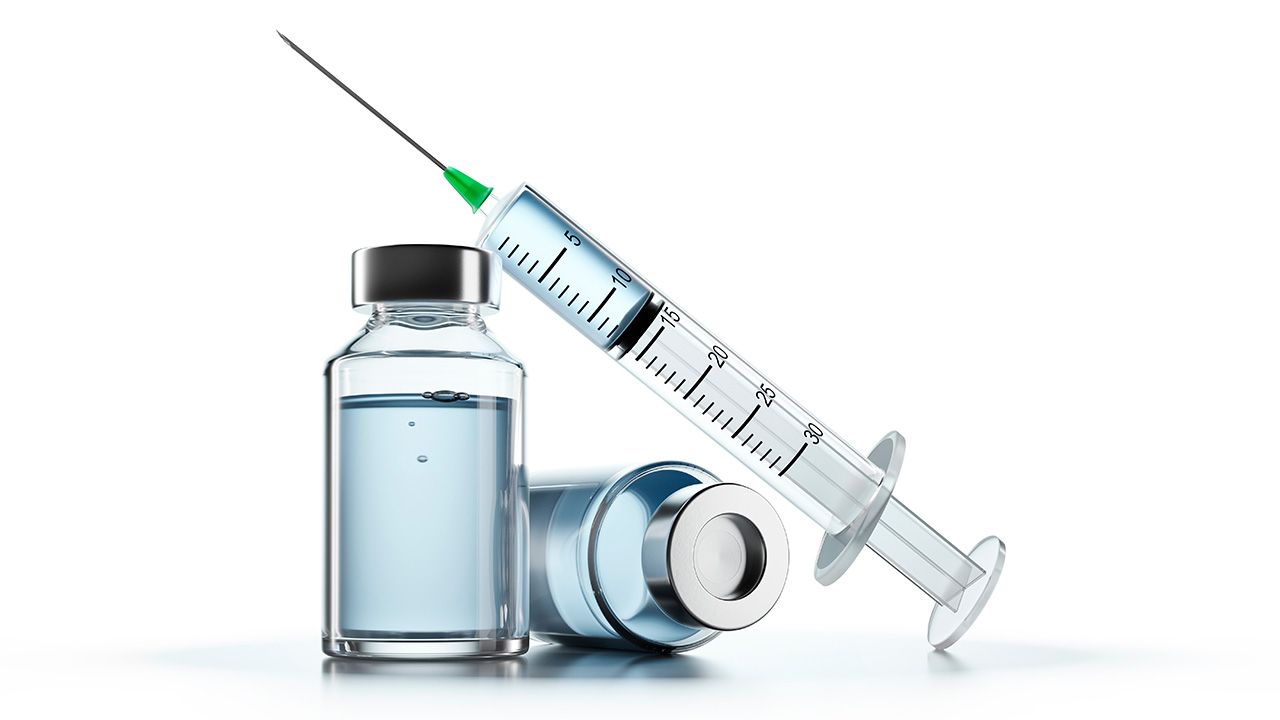
- Vaxart Oral COVID-19 Vaccine (Phase 2b): Topline 12-month safety data from 400-participant sentinel cohort reported (July 6). No vaccine-related serious adverse events or sustained Grade 3+ adverse events detected, supporting oral pill vaccine development.
Expert Analysis
The Lancet's analysis of global health priorities in 2026 identifies pandemic preparedness as reaching a critical juncture. While Gavi and international partners aim to protect 500 million children and respond to 150 disease outbreaks by 2030, structural gaps in epidemic response remain evident. The ongoing Ebola outbreak in Africa underscores how "epidemic preparedness remains weak, particularly where it matters most—at the front line," according to recent Lancet commentary, highlighting the contradiction between advancing vaccine technology (such as mRNA platforms) and insufficient field-level health infrastructure.
The opening of the PARTNERS trial for Bundibugyo virus treatment marks a shift toward evidence-based therapeutics for filoviruses, yet experts stress this comes late in an outbreak already claiming hundreds of lives. The WHO's declaration of the Ebola outbreak as a continental emergency reflects recognition that localized responses require stronger regional coordination and pre-positioned resources.
Global Health Security
Pandemic Preparedness Outlook: The Lancet Global Health Commission (May 2026) has called for strengthened research into pandemic intelligence and preparedness systems. The commission emphasizes that improved surveillance, data-sharing, and early warning mechanisms are essential to prevent future large-scale outbreaks.
COVID-19 Vaccination Surveillance: CDC continues real-time monitoring of COVID-19 epidemic trends. Rt (reproduction number) estimates are being tracked across U.S. states and health service areas to inform response planning as respiratory season approaches.
What to Watch Next
-
August 5, 2026 FDA Decision on mFlusiva: Moderna's mRNA flu vaccine faces final regulatory decision. Approval would mark a major milestone in next-generation influenza vaccination and open pathways for other mRNA respiratory vaccines.
-
Bundibugyo Treatment Trial Results: Enrollment ongoing in DRC; initial efficacy or safety readouts could emerge within weeks to months. Early data will inform clinical management for hundreds of patients and shape future filovirus therapeutic strategies.
-
Respiratory Virus Season Preparedness: CDC noted respiratory illness activity is currently very low (as of June 26). Surveillance transitions to year-round monitoring starting Fall 2026, with emphasis on vaccination uptake prior to peak season.
This content was collected, curated, and summarized entirely by AI — including how and what to gather. It may contain inaccuracies. Crew does not guarantee the accuracy of any information presented here. Always verify facts on your own before acting on them. Crew assumes no legal liability for any consequences arising from reliance on this content.
Powered by
